
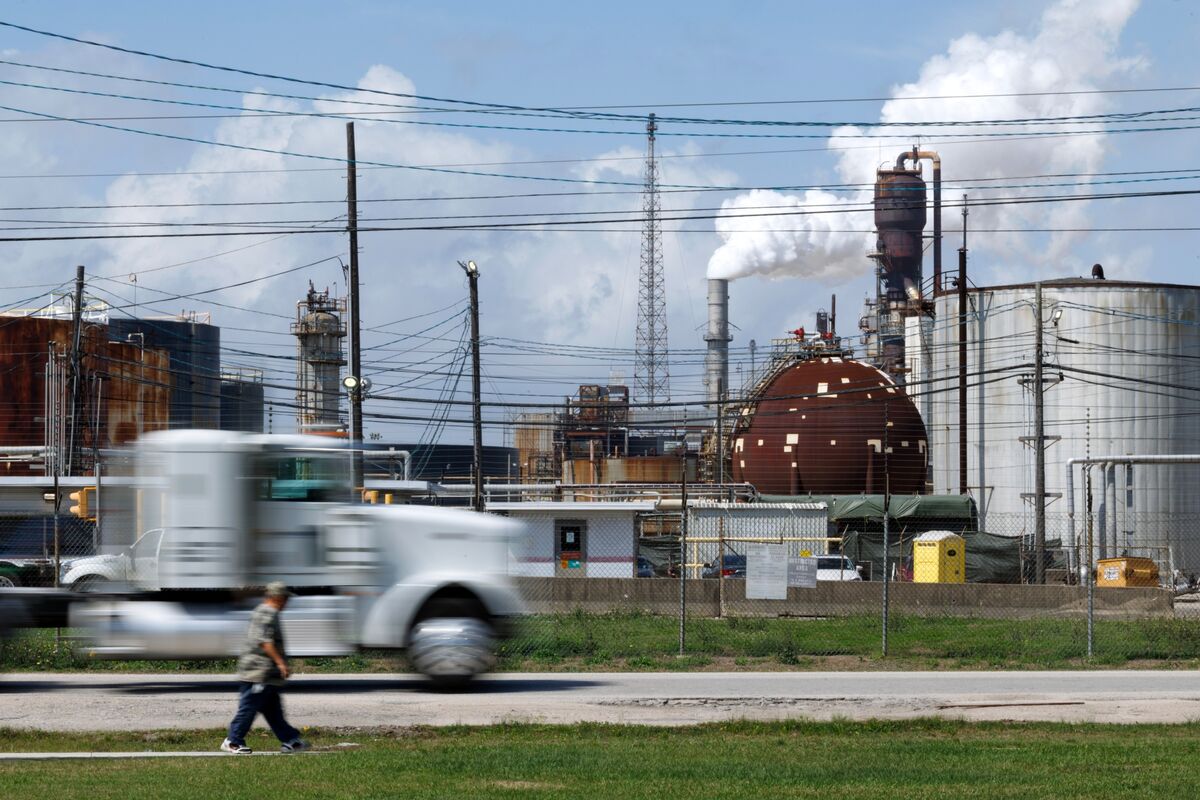
ExxonMobil reported a near $4.0B surge in Q2 earnings, driven by a $3.7B profit boost from war-driven higher crude prices tied to the Iran conflict. The company added $3.3B of gains from refining and chemicals, extending the rally’s impact beyond upstream. Overall results point to a strong earnings tailwind from elevated energy prices.
XOM is the cleaner way to own a geopolitical oil shock because the upside is not just upstream beta; the downstream book acts as a partial hedge against the very margin volatility that usually punishes pure E&Ps. The market often underweights that integrated mix in the first 24-72 hours, then slowly reprices quality once it becomes clear the cash windfall is repeatable through buybacks and dividend support rather than a one-off mark-to-market event.
The second-order winner set is broader than the article implies: integrated majors with Gulf Coast refining/chem exposure should hold up better than single-line producers if crude stays elevated, while airlines, transport, and chemical consumers face immediate input-cost pressure. The more interesting relative-value implication is that a sustained war premium can flatten the usual “refiners win / producers win” split; if feedstock costs move faster than product prices, standalone refiners can underperform even in a high-oil tape.
The main risk is that this is a headline-driven premium, not a physical shortage. If there is no actual disruption to seaborne supply, energy equities can give back a large portion of the move in 1-3 months as traders fade the risk premium; over 6-18 months, higher prices also raise demand-destruction odds and invite policy/SPR responses. The thesis is falsified if Brent retraces back below the pre-spike band or if XOM’s next guide shows realized prices and downstream margins normalizing faster than expected.
AI-powered research, real-time alerts, and portfolio analytics for institutional investors.
Request TrialOverall Sentiment
strongly positive
Sentiment Score
0.55
Ticker Sentiment
