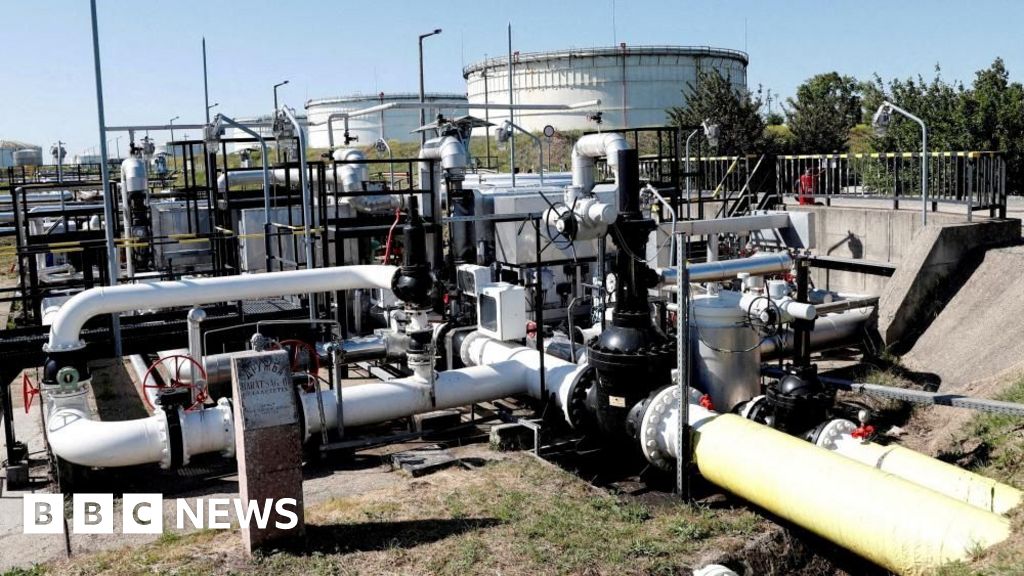
The EU is close to unblocking a €90bn loan for Ukraine after Hungary signaled it will stop vetoing the package once Druzhba pipeline oil flows are restored. The funding, first agreed last December, is described as vital for Ukraine, with roughly two-thirds earmarked for defense and the rest for broader fiscal support. The development reduces a key political bottleneck for Brussels and Kyiv, though disbursement could still take weeks.
This is less a directional macro shock than a liquidity de-risking event for Ukraine: removing a political veto converts a binary financing risk into a timing issue. The market implication is that front-end stress in Ukrainian sovereign and quasi-sovereign paper should compress first, while the bigger second-order effect is on European credit—especially banks and utilities with incidental exposure to regional counterparty risk and payment arrears. The signal matters because it reduces the probability of a disorderly funding gap that would have forced larger emergency support later in the year.
The energy angle is more nuanced than a simple bullish read on crude. A restored pipeline flow lowers the tail risk of a Hungary/Slovakia supply disruption, which should reduce near-term volatility in regional refined-product differentials and blunt any political premium in Central European energy equities. But the more important medium-term effect is that Ukraine’s ability to strike Russian energy infrastructure and still preserve diplomatic cover suggests the market should treat pipeline risk as episodic rather than structural—bad for those trying to price a persistent logistics shortage, but positive for volatility sellers if the situation stabilizes over the next 2-6 weeks.
The contrarian read is that the headline could be slightly too optimistic on timing: approval and disbursement are not the same, and any procedural delay will keep funding-risk embedded in Kyiv assets. Also, the change in Budapest leadership improves Brussels relations, but it does not eliminate future leverage politics from Hungary or other member states; this is a reduction in veto probability, not a permanent solution. If the loan is delayed beyond a few weeks, the market may rotate back to “EU commitment is conditional” pricing, especially in CDS and funding-sensitive assets.
AI-powered research, real-time alerts, and portfolio analytics for institutional investors.
Request TrialOverall Sentiment
mildly positive
Sentiment Score
0.25
Ticker Sentiment
