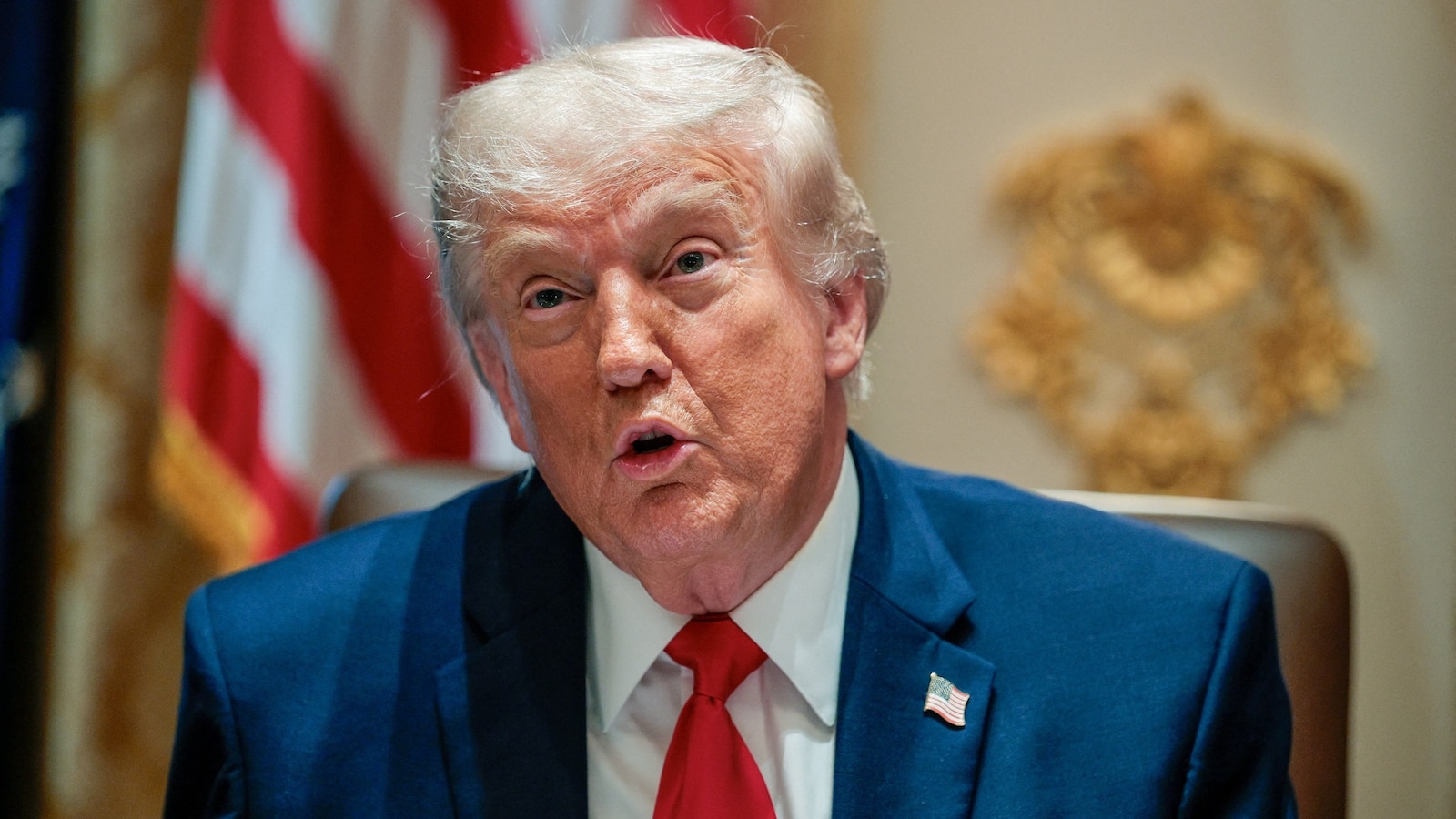
Treasury officials are preparing for a potential $250 commemorative Federal Reserve note featuring Donald Trump’s portrait and signature, but the bill has not passed the House and would still require Senate approval. The proposal would require a change to current law, which bars living people from appearing on U.S. currency, and Treasury says no taxpayer funds would be used. The article is primarily a political and legislative update with limited direct market impact.
This is less a currency story than a signaling event: it tests how far the administration can push symbolic monetization of sovereignty before it collides with legal process and institutional norms. The immediate market impact on USD assets is negligible, but the second-order effect is a higher probability of headline-driven volatility around the Treasury/white-house interface, especially if the initiative is paired with other anniversary-linked issuance or branding efforts that blur lines between fiscal authority and political messaging.
The real winner is likely the political-adjacent ecosystem: commemorative-mint, collectibles, and direct-to-consumer merch businesses that can harvest attention without needing the bill itself to pass. On the loser side, any perception that Treasury is prioritizing optics over operational credibility marginally raises the discount rate on the institution’s communication, which matters more for term-premium than for spot FX. If investors start viewing the dollar as a political branding asset rather than a neutral reserve instrument, that is a slow-moving but non-trivial negative for foreign demand at the margin over 6-18 months.
Catalyst risk is legislative, not market-driven: the next few weeks matter for committee signaling, but the meaningful window is the 119th Congress clock and any Senate whip count that exposes a hard ceiling on support. The tail risk is that this becomes a broader governance fight that spills into appropriations or confirmation battles, which could widen volatility in rates and the dollar if it reinforces concerns about institutional independence. The contrarian view is that the market may overestimate the macro significance; absent passage, this may remain a high-visibility but low-consequence culture-war headline with little tradeable follow-through.
AI-powered research, real-time alerts, and portfolio analytics for institutional investors.
Request TrialOverall Sentiment
neutral
Sentiment Score
0.00
