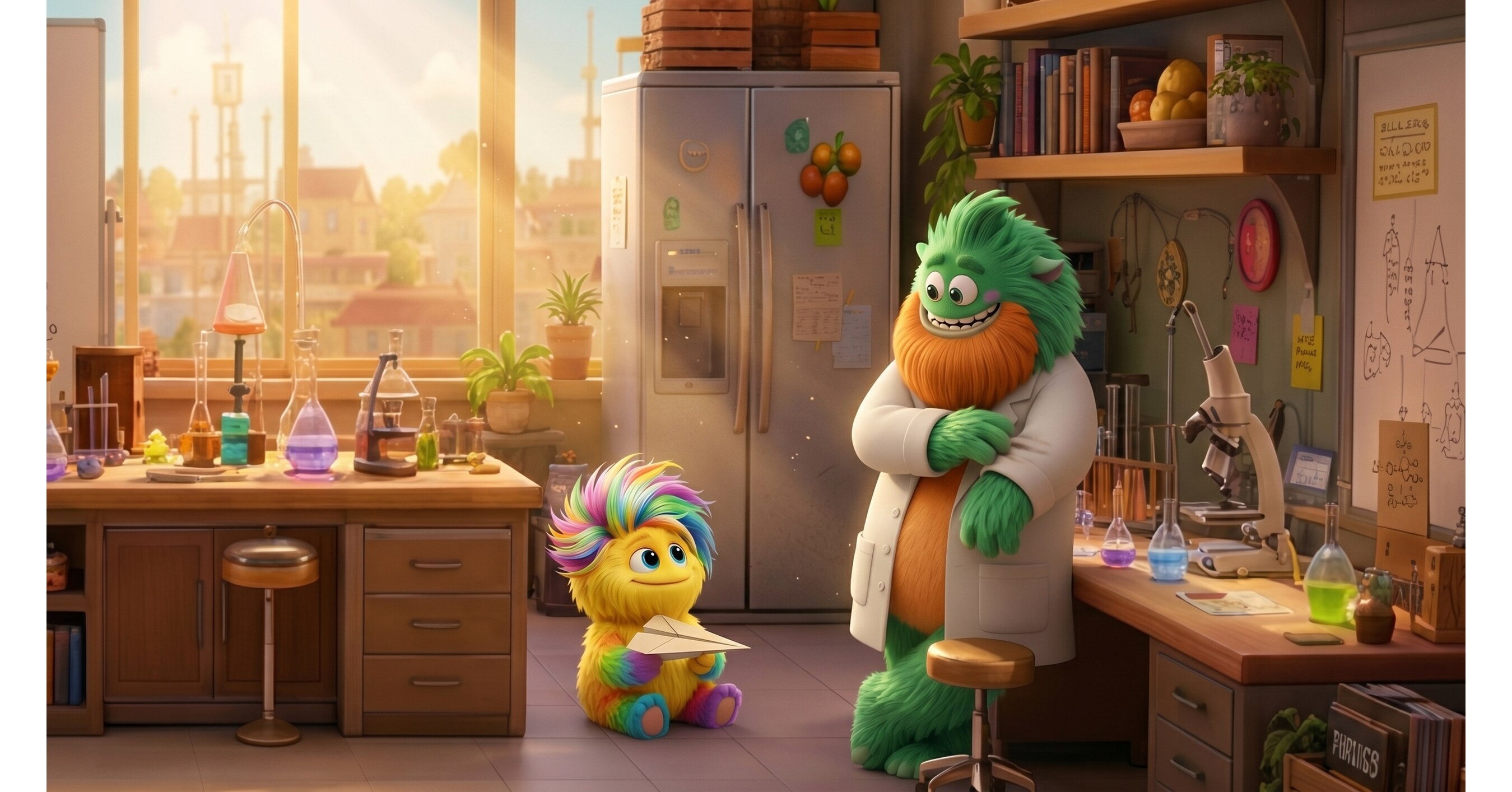
IvyBears, a kids/family entertainment IP backed by a retail presence in 60+ countries, has grown to 2.5M YouTube subscribers and 40M cumulative views shortly after launching animated content in May 2026. Its latest episode, Chapter 3: The Stolen Idol, hit 3M views in three days, supporting momentum ahead of a full seven-episode first season targeted for Q4 2026. The company also plans to launch the preschool edutainment spinoff 'The Dr. Muppy Show' as it pursues international broadcast and licensing partnerships.
The only clean market read-through is to the platforms, not the brand itself. More sustained kids watch time is mildly supportive for GOOGL/YouTube because it adds cheap, repeatable inventory and helps defend engagement, but this is unlikely to move estimates meaningfully unless the franchise proves it can hold attention at scale for quarters rather than weeks. The bigger mechanism is that AI-assisted, monthly-output animation lowers the fixed-cost barrier for indie IP, which should increase supply and make the kids-content market more competitive, not less.
For consumer-products and licensing peers, the second-order effect is a potential validation of the "content first, toys later" model in reverse: if a retail-backed IP can convert audience to licensees, it gives leverage to names with under-monetized characters and omnichannel distribution. That said, kids IP is notoriously metric-deceptive; subscriber growth and view velocity often front-load algorithmic discovery, while monetization depends on repeatability, geography mix, and whether parents/retail partners actually transact. The real catalyst window is 1-3 months, when the company either secures broadcast/licensing announcements or the content curve starts to flatten.
Contrarian view: the market may be over-assigning value to engagement metrics that are easy to engineer with short-form discovery and hard to monetize. If the next two episodes fail to sustain retention, or if the first-season cadence slips, the franchise narrative can rerate quickly because the "reversed flywheel" only matters if retail sell-through and licensing revenue follow. For now this is more an optionality story than a cash-flow story; the falsifier is a lack of disclosed partner traction or a clear deceleration in view-through/retention over the next quarter.
AI-powered research, real-time alerts, and portfolio analytics for institutional investors.
Request DemoOverall Sentiment
mildly positive
Sentiment Score
0.25
Ticker Sentiment
