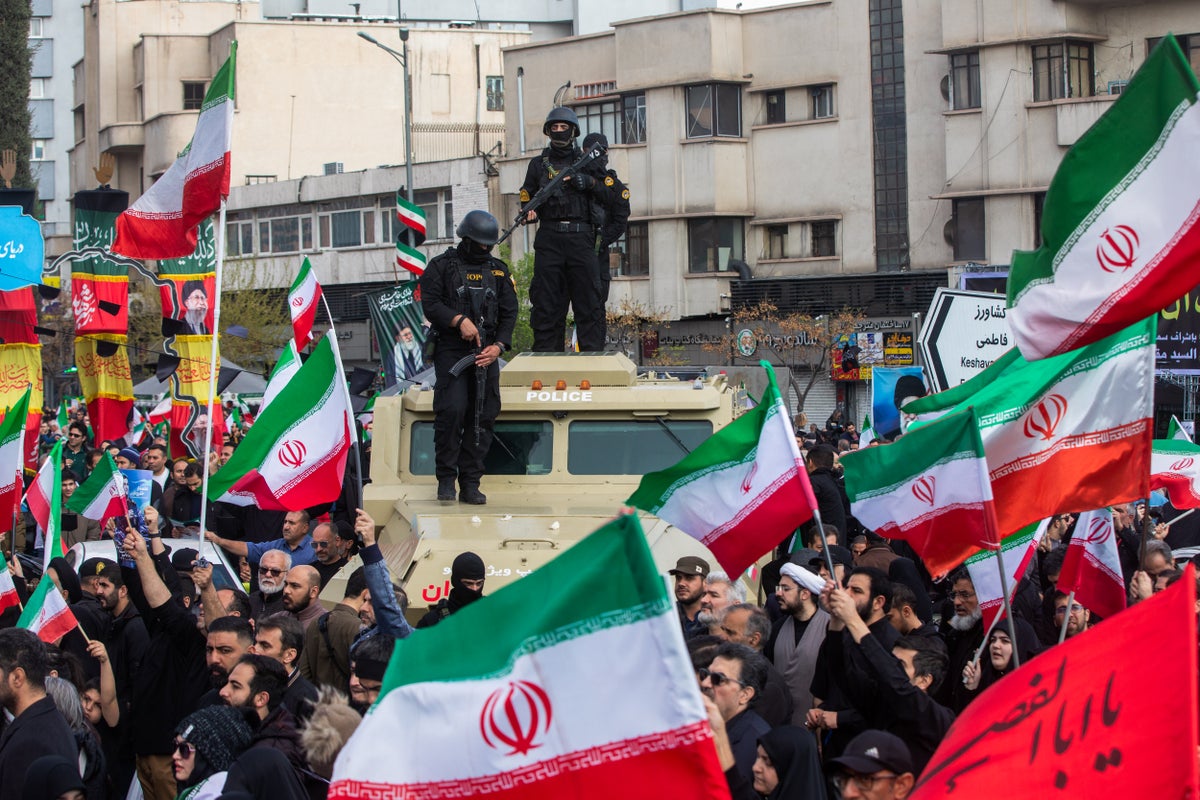
Iran’s senior leadership vacuum is being filled by the IRGC and other hardline security figures after US-Israeli strikes killed several moderates and senior officials. Analysts say negotiations with the US are now likely to be more nationalist and less compromise-driven, with Mojtaba Khamenei still directing policy from the shadows. The escalation raises regional conflict risk and could affect energy, sanctions, and broader emerging-market sentiment.
The market implication is not just higher geopolitical risk premia; it is a governance shift that makes Iran less predictable and therefore less negotiable. When the military-security apparatus dominates the bargaining table, the probability distribution widens: fewer clean off-ramps, more miscalculation, and a higher chance that even limited tactical moves get interpreted as regime-defining. That tends to keep risk assets in the Gulf and regional credit markets perpetually bid for protection, while making any ceasefire or de-escalation headlines less durable than the market wants to believe.
The second-order effect is on sanction intensity and enforcement, not just oil flows. A harderline Tehran raises the odds that Washington and allies respond with broader secondary sanctions, maritime interdictions, and export-control tightening around dual-use and drone/missile supply chains. That is negative for emerging-market trade finance, insurers, shippers with Gulf exposure, and European firms with residual Iran-linked receivables, even if headline oil supply is not immediately disrupted.
The contrarian point is that the move may be overread as all-risk and underread as all-control. Military-centric regimes can be more radical, but they can also be more disciplined when survival is at stake; that means a high probability of covert asymmetric pressure and a lower probability of a dramatic, fully kinetic escalation that closes Hormuz for long. The trade is less about a single shock and more about a sustained repricing of tail risk over 1-3 months, with spikes around any verification failure, leadership rumor, or misfired strike.
On the map, beneficiaries are defense primes, cyber, and Gulf air-defense beneficiaries; losers are regional airlines, tanker rates upside on disruption, and EM sovereigns with external financing needs if risk premia back up. The cleanest read-through is that policy uncertainty has become a feature, not a bug, which should keep event volatility elevated and favor options over outright directional beta.
AI-powered research, real-time alerts, and portfolio analytics for institutional investors.
Request TrialOverall Sentiment
strongly negative
Sentiment Score
-0.65
