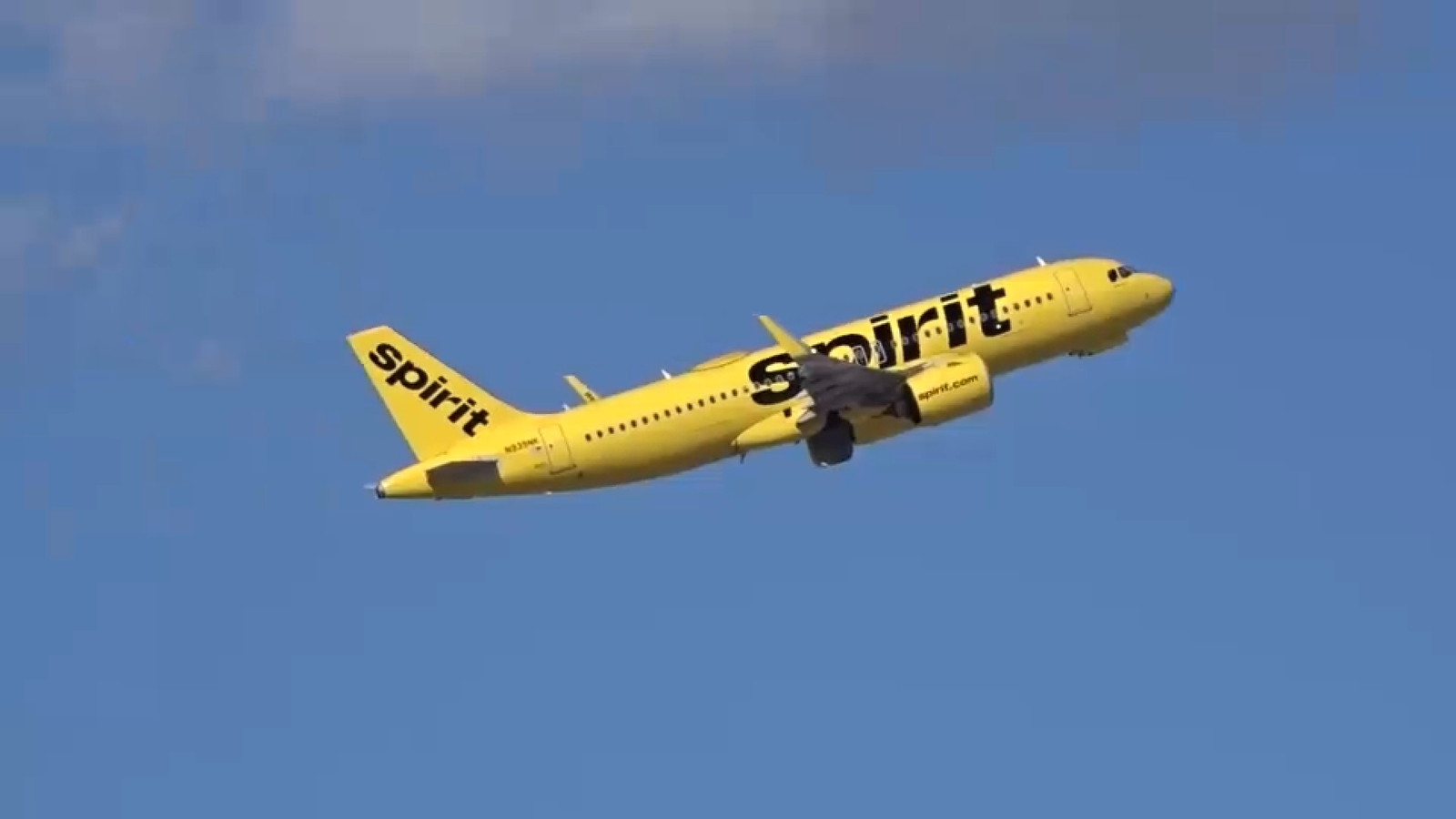
Spirit Airlines is reportedly on the verge of liquidation, with Bloomberg saying a shutdown could happen as soon as this week amid its second bankruptcy and surging fuel costs tied to the war in Iran. If Spirit ceases operations, it would immediately remove a major ultra-low-cost carrier from the market and likely lift fares industry-wide, especially on routes such as Fort Lauderdale, Orlando, LaGuardia, and Newark. Travelers with booked flights could face cancellations, though credit card chargebacks may help some recover funds.
The immediate market effect is not just one less discounter; it is a forced repricing of capacity discipline across the entire domestic short-haul network. Spirit’s marginal seats have been the primary pressure valve on fare wars, so if that capacity disappears abruptly, the first-order winner is every carrier with meaningful exposure to leisure-heavy domestic routes, but the second-order winner is network airlines with better loyalty programs and ancillary revenue engines that can harvest displaced demand at materially higher unit revenues.
The bigger issue is timing: liquidation risk creates a near-term air pocket in consumer bookings before any actual shutdown. That means the revenue hit can start days to weeks ahead of a formal event as travelers avoid the carrier, while competitors can quietly raise fares on overlapping routes. Fuel is the catalyst, but the more durable driver is refinancing collapse—if creditors conclude the post-bankruptcy capital structure cannot survive a higher-cost environment, the window for rescue is measured in days, not months.
The contrarian angle is that the market may be underestimating how much of the benefit accrues to airports, online travel channels, and aircraft lessors rather than only airlines. A Spirit exit could tighten secondary aircraft and engine markets, but that benefit is delayed; near term, the main trade is on fare normalization and improved load factors for ULCC-adjacent competitors. The risk to that trade is policy intervention or a last-minute restructuring deal, which would likely cap the upside but still leave the competitive reset partially intact.
For consumers and corporates, this is a warning that ultra-cheap domestic fares may prove sticky only on routes with enough competitive density. If Spirit disappears, the industry may test how much demand elasticity survives after an abrupt 5-15% fare increase on vulnerable leisure routes; that is a meaningful read-through for summer pricing power across the sector.
AI-powered research, real-time alerts, and portfolio analytics for institutional investors.
Request DemoOverall Sentiment
extremely negative
Sentiment Score
-0.92
