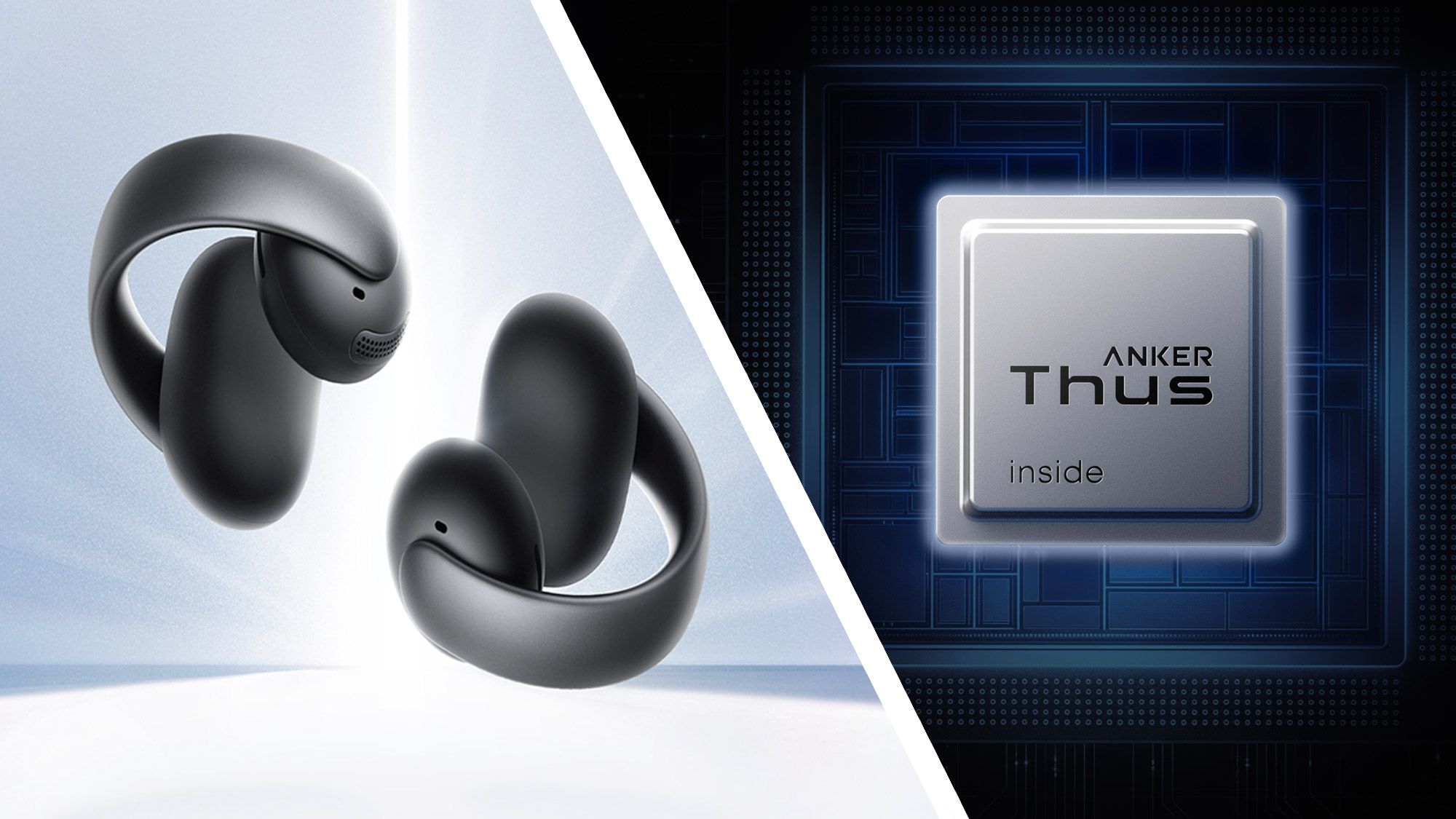
Anker unveiled THUS, its first Compute In Memory chip, designed to enable larger on-device AI models in low-powered wearable devices such as Bluetooth earbuds. The first use case will add enhanced noise cancellation, called Clear Calls, plus Signature Sound and Voice Control, with a full product reveal scheduled for May 21, 2026. The announcement is strategically positive for Anker’s product roadmap, but it is early-stage and unlikely to move the broader market materially.
This is less about a single earbud SKU and more about a strategic shift in where edge AI value accrues. If low-power inference moves from cloud dependency to on-device execution, the first beneficiaries are not just consumer hardware brands but the analog/memory and OS ecosystems that can package model compression, power management, and local inference tooling into repeatable IP. The market is likely underestimating how quickly a successful wearables proof-of-concept can cascade into adjacent categories where latency and privacy matter more than raw model size.
The second-order winner is any platform owner that can turn local inference into a system feature rather than a hardware feature. For Apple, the threat is not that a peripheral vendor leapfrogs its silicon, but that a credible third-party demonstration narrows the perceived moat around on-device AI and forces faster productization of edge inference across watch, AirPods, and eventually iPhone. That creates a subtle positive for companies supplying power-efficient memory and packaging, while increasing pressure on cloud-first AI monetization models that rely on recurring inference fees.
The key risk is execution and timing: CIM is conceptually elegant but commercialization risk is high, and wearables are unforgiving on yield, thermals, and battery-life regressions. Near term, this is mostly a sentiment catalyst over weeks to months; the real fundamental impact, if any, is a years-long design-cycle story. If the first product lands as a gimmick or the latency/power tradeoff disappoints, the narrative can unwind quickly and reinforce the view that edge AI remains constrained by physics rather than architecture.
The contrarian take is that this may be more incremental than headline suggests: better noise cancellation and voice control are valuable, but not enough to justify a broad re-rating of wearable AI spend unless the chip materially changes BOM economics or battery endurance. The market may be over-rotating to the idea of a new silicon paradigm when the more durable implication is a modest but real increase in feature velocity for premium accessories. The bigger medium-term read-through is competitive pressure on Apple and Samsung to localize more inference, not a wholesale disruption of cloud AI economics.
AI-powered research, real-time alerts, and portfolio analytics for institutional investors.
Request TrialOverall Sentiment
mildly positive
Sentiment Score
0.34
Ticker Sentiment
