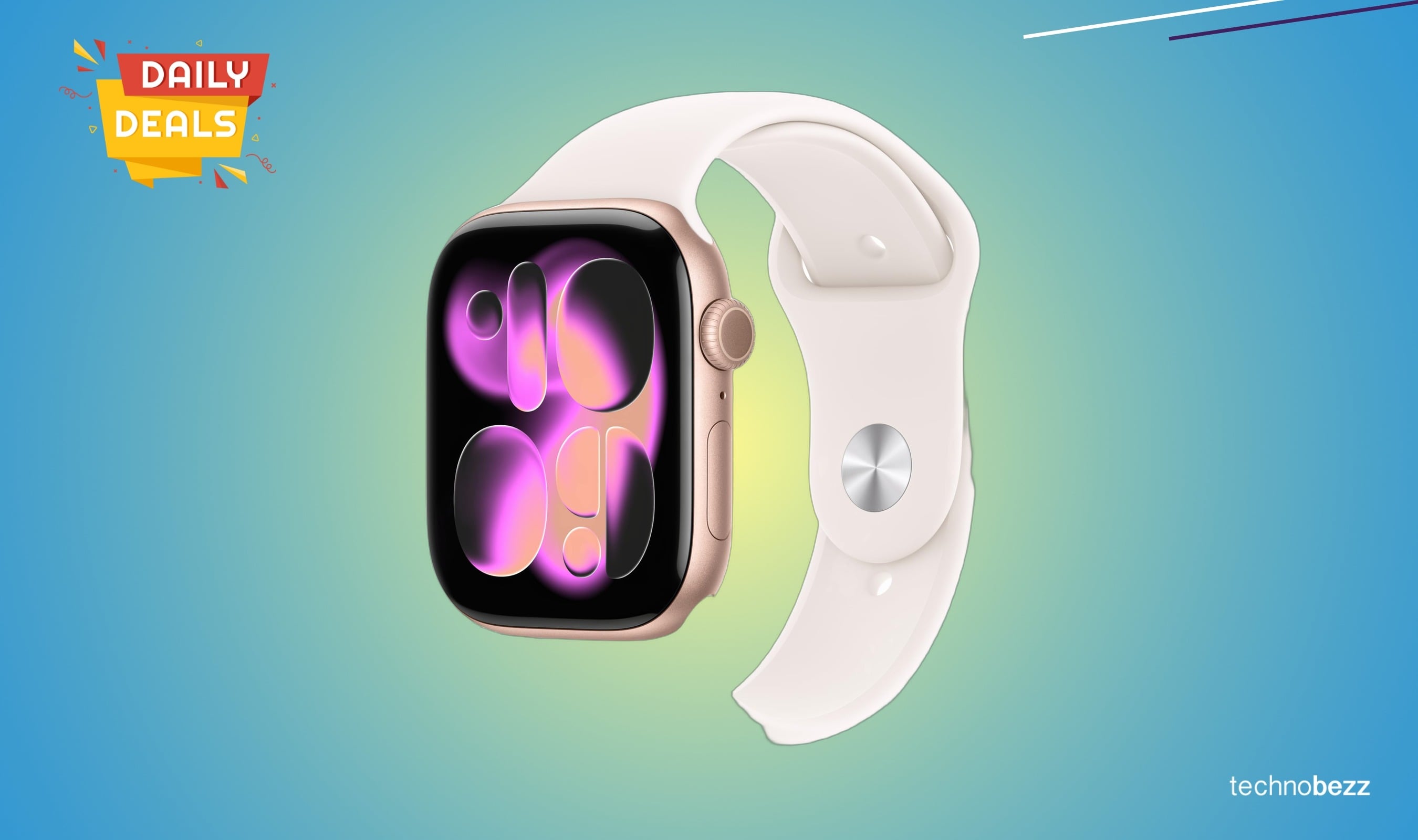
Apple Watch Series 11 [GPS 46mm] is discounted to $329, or $29.42 off, an 8% drop below its 30-day average of $358.42 and well under its 90-day average of about $368. The article highlights new health features including hypertension notifications, sleep scoring, ECG, heart rate alerts, and blood oxygen tracking, plus three months of Apple Fitness+ included. The deal is consumer-focused and unlikely to materially move Apple shares, but it reinforces demand for the latest wearable.
This looks less like a one-day pricing story and more like a read-through on Apple’s installed-base monetization. Wearables are one of the few Apple categories where software, health data, and accessory attach can deepen lock-in without needing a new iPhone cycle, so even modest unit conversion can have outsized lifetime value implications. The fact that the discount is landing ahead of the fall refresh suggests channel partners are already incentivized to clear inventory, which usually means the near-term winner is distribution velocity rather than headline ASP. The second-order effect is competitive pressure on the Android wearable stack. Apple’s health-tracking narrative keeps moving up-market into clinical-adjacent territory, which raises the bar for Samsung/Google partners that compete more on price than on ecosystem integration. If this category sustains mid-single-digit unit growth, it also supports Apple’s services flywheel indirectly through fitness, subscriptions, and higher retention, even if watch hardware margins are temporarily compressed by promotions. The main risk is that health features are becoming table stakes faster than investors expect. If consumers perceive the upgrade as incremental rather than essential, this becomes a channel-clearing event, not a demand inflection, and the benefit to AAPL is limited to pulling forward purchases by a quarter or two. The catalyst to watch is the next product announcement window: if Apple adds a materially new sensor or regulatory clearance, the current promotion becomes evidence of a stronger replacement cycle; if not, this is probably just inventory management. Contrarian take: the market may be underestimating how defensive this category is for Apple. In a softer consumer environment, premium wearables can still trade well because buyers are justifying the purchase on health utility rather than discretionary electronics, which preserves elasticity better than phones or tablets. That said, the upside is more about stabilizing growth than re-accelerating it, so the setup is better for relative-value trades than outright beta chasing.
AI-powered research, real-time alerts, and portfolio analytics for institutional investors.
Request DemoOverall Sentiment
mildly positive
Sentiment Score
0.20
Ticker Sentiment
