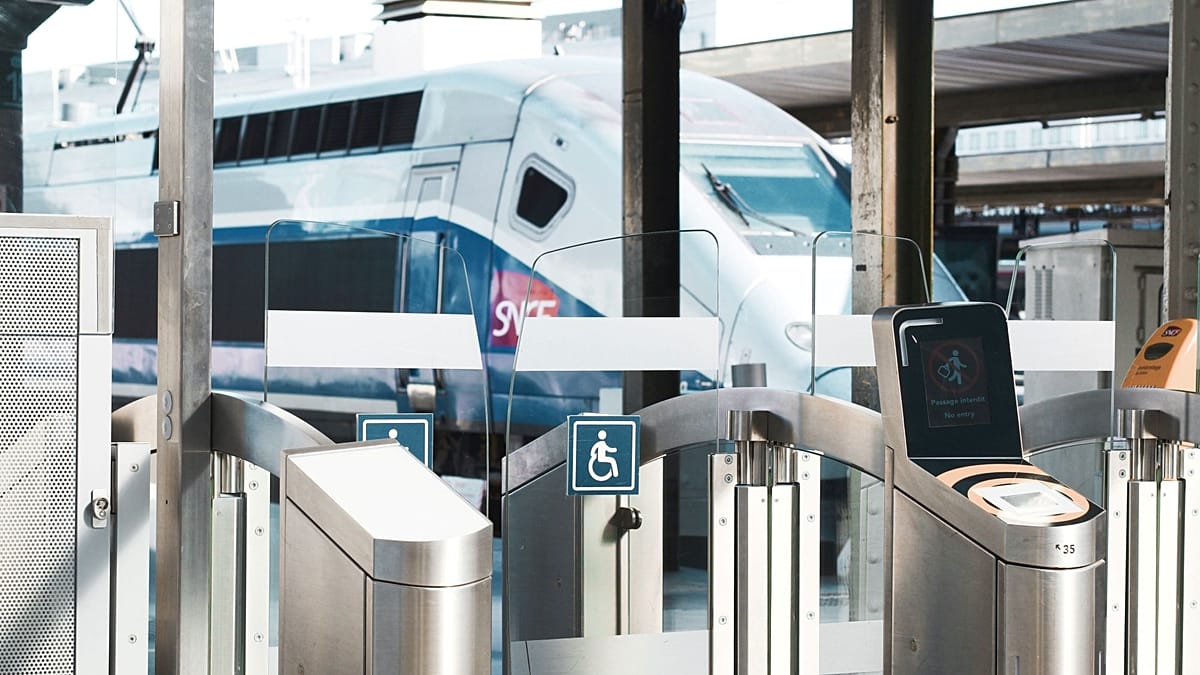
The European Commission is proposing new rail passenger rules that would give travellers compensation and re-routing rights if they miss a connection, even across different railway operators. The package also requires large online ticket platforms to show all available options and would force rail operators to sell tickets online at least five months in advance. If adopted, the changes could materially improve cross-border rail booking transparency and passenger protections across the EU.
This is a structural margin transfer from fragmented rail incumbency to the distribution layer. The biggest near-term winners are the rail ticketing intermediaries and journey-planning platforms that can aggregate inventory across operators; they gain both conversion lift and a stronger “one-stop shop” moat once compensation rights force carriers to internalize disruption risk. Over time, that should favor operators with better punctuality, stronger interline agreements, and digital integration, while weak regional railroads with poor connection reliability face higher service-cost leakage and potentially lower yield on long-haul cross-border routes.
The second-order effect is a likely repricing of commission economics. If large platforms must surface competitor inventory, the value of exclusive access falls, and monetization shifts toward default placement, data, and ancillary attach rather than pure ticket spread. That is bullish for the best-distributed marketplaces and nervous-making for smaller operators that relied on opaque direct channels; they may see more price transparency and tougher fare compression, especially on itineraries where the consumer was previously locked into the first visible option.
Catalyst timing matters: the legal process is months, while implementation and data-sharing compliance are more like a 1–3 year rollout. The first tradeable reaction is in listed travel-tech / rail-adjacent names on expectation of higher booking volumes and lower abandonment; the later risk is that compensation and rerouting obligations raise operating costs faster than they increase demand. The contrarian view is that the market may be overestimating the revenue upside from convenience and underestimating the margin hit from disruption liability, especially for operators with older networks and thin timetables.
From a policy angle, the move also accelerates standardization of rail data, which could lower barriers for new entrants and enable multimodal bundling with buses and aviation. That is positive for consumer demand but negative for incumbent pricing power, because transparency tends to compress spreads once comparison is frictionless. The net implication is not “more rail profits,” but a reallocation toward whoever controls the digital interface and the best on-time performance.
AI-powered research, real-time alerts, and portfolio analytics for institutional investors.
Request DemoOverall Sentiment
mildly positive
Sentiment Score
0.20
