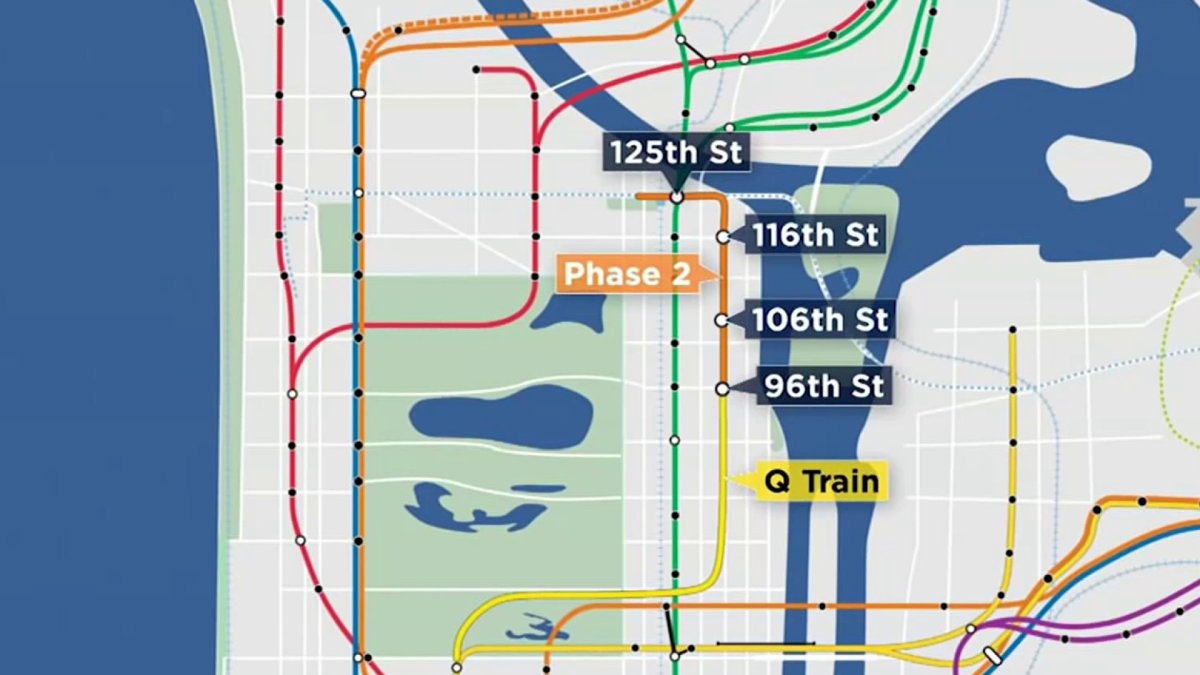
The MTA sued the federal government after the U.S. DOT withheld over $58.6 million in federal funding for the Second Avenue subway extension, filing in the Court of Federal Claims for breach of contract. The project is a $7.7 billion build with roughly $3.4 billion expected from the federal government; the MTA says it has diverted other funds and that extended suspension could bring work to a halt. The DOT says it is reviewing legal options and cited concerns about responsible spending and DEI-related issues, creating execution and funding risk for regional infrastructure projects.
The immediate economic victim set is small contractors, subcontractors and specialty suppliers who operate on tight working-capital cycles and rely on milestone federal reimbursements; expect measurable receivables pressure and margin compression at the subcontract level within 1–3 quarters. That stress is non-linear: large engineering firms can reallocate overhead across projects, but regional civil contractors and suppliers (concrete, specialty signaling, local scaffolding/steel fabricators) will see days-payable-outstanding spike and potentially push claim-driven change orders that slow schedules further.
Credit markets are the most actionable second-order channel. If the dispute extends beyond near-term court rulings, municipal and transport-credit spreads tied to the issuer will likely widen 25–75bp over 3–12 months as states divert capital from other projects to cover cashflow shortfalls; insurers and banks with concentrated exposure to transit receivables face heightened counterparty and liquidity risk. The litigation timeline is binary: a court injunction or administrative reversal would re-price risk within days, while a protracted political standoff could force formal rating actions and a multi-month repricing of NY-focused munis.
Politically, this sits on the election calendar: the administration has both incentive and leverage to time restoration of funds around political milestones, creating asymmetric downside in the next 6–9 months. Tail risks include a forced sale of MTA assets, negotiated federal conditionality that reduces effective grant rates, or contagion into other Northeast megaprojects — any of which would favor large-cap engineering firms with diversified backlog and hurt small civil names and NY-centric real-estate plays.
AI-powered research, real-time alerts, and portfolio analytics for institutional investors.
Request DemoOverall Sentiment
mildly negative
Sentiment Score
-0.25
