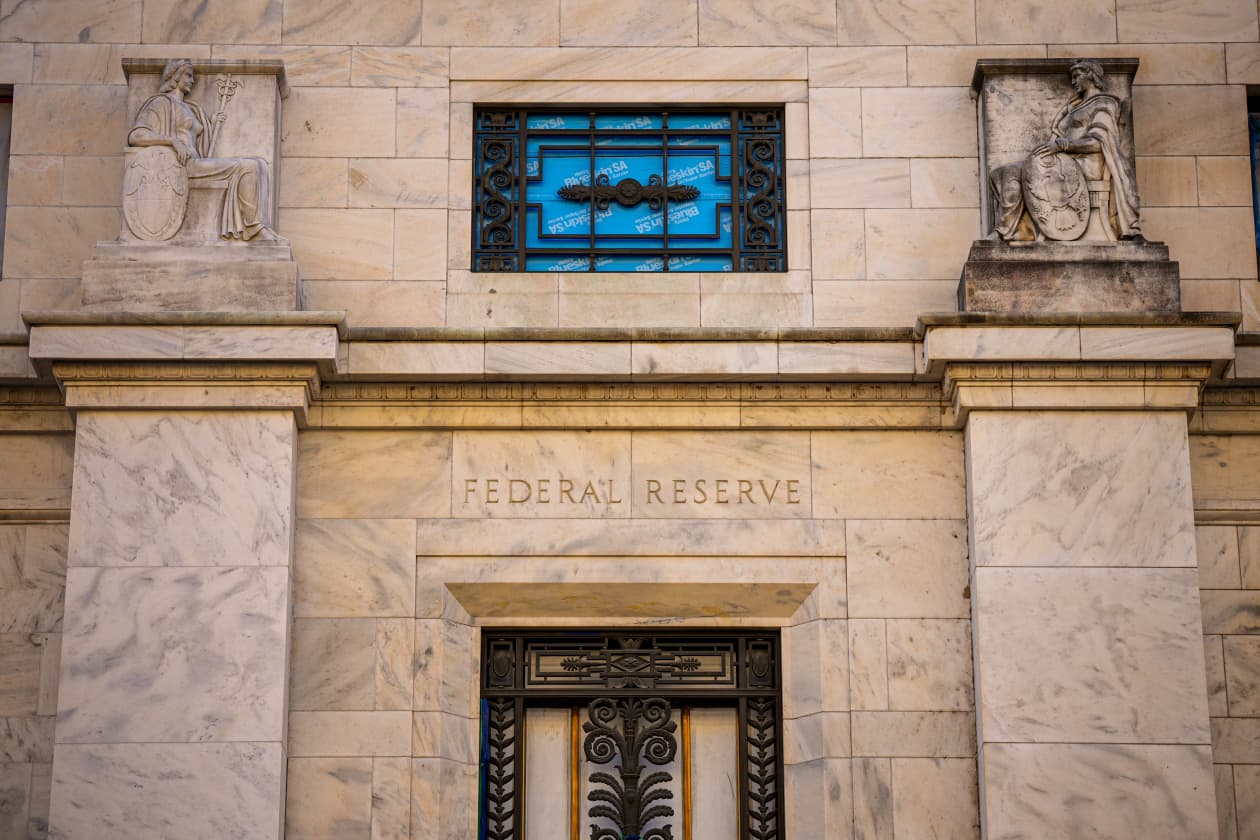
There is a 60.4% chance the Fed will move toward higher rates by October, according to Bloomberg — a sharp reversal from last week’s baseline of a single 25bp cut. Brent crude topped $109/bbl as the U.S. deployed more forces to the Middle East, lifting oil and prompting traders to price in higher rates, which is pressuring stocks and bonds and dimming prospects for Fed cuts this year.
The market move is best read as a short-duration shock to real yields rather than a pure growth narrative: an energy-risk driven inflation impulse forces front-end policy expectations higher quickly, compressing valuations on long-duration equities and levered credit. Mechanically, a 75–150bp re-rate in 2y yields over weeks would reduce terminal valuation multiples for secular growers by mid-teens percentage points given current cash‑flow duration assumptions, while leaving commodity cash generators relatively insulated.
Second-order supply effects are under-appreciated: higher insurance and rerouting costs for oil and shipping raise input costs for fertilizer, chemicals and refined products, amplifying margin pressure for agriculture, basic materials, and regional refiners that lack scale; conversely, midstream and storage owners pick up optionality and widened toll pricing. Rising front-end yields plus a stronger USD will force mark‑to‑market pain for EM sovereigns and local-currency corporates — expect outsized spread moves in B-rated issuers within 1–3 months.
From a flows/technical lens, positioning was long duration and short volatility; the swift probability swing triggers gamma- and cross‑asset deleveraging that can accelerate moves in rates, equities and commodity vol for several sessions. Key reversal catalysts are either visible disinflation (oil retrace and softer goods prices) or Fed communication that explicitly rules out hikes; absent those, expect elevated vol for 4–12 weeks.
Trade construct must therefore balance convexity: favor producers with free‑cash flow optionality and short-duration rate exposure while hedging macro beta, and use time-limited option structures to express oil upside. Size defensively in rate shorts — a fast unwind can occur on a diplomatic de‑escalation — and set objective profit targets tied to yield or Brent thresholds rather than calendar dates.
AI-powered research, real-time alerts, and portfolio analytics for institutional investors.
Request DemoOverall Sentiment
mildly negative
Sentiment Score
-0.30
