
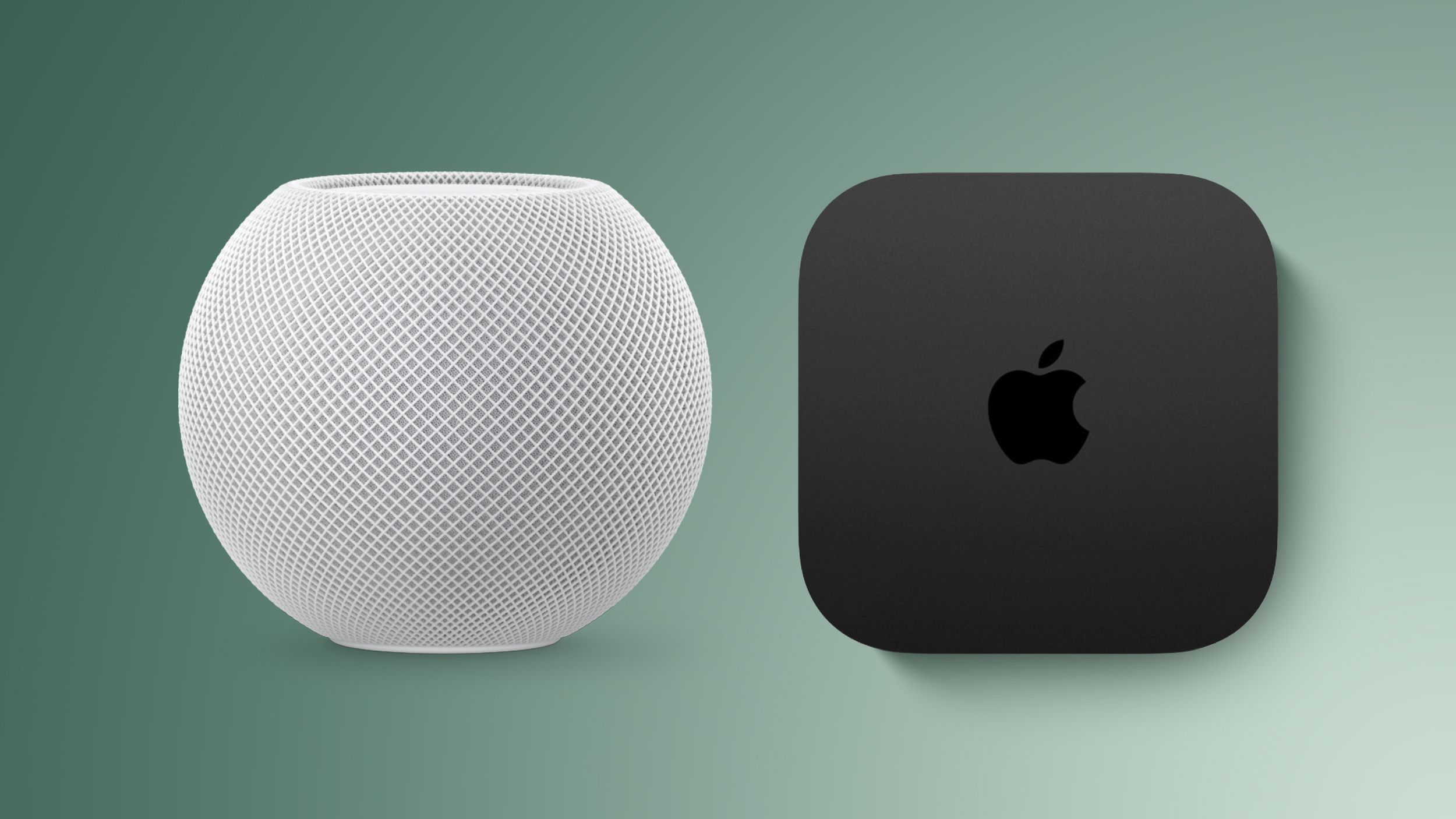
Apple’s next Apple TV 4K and HomePod mini are reportedly nearly ready, but launch timing is being delayed until the more personalized Siri rolls out with iOS 27, iPadOS 27, and macOS 27, expected to be unveiled at WWDC 2026 and widely released in September. The new devices are expected to bring mostly chip upgrades, including support for Apple Intelligence, with little change to overall design. Bloomberg’s Mark Gurman said both products have been done for months and are already in employee use.
This is less about consumer-device demand and more about Apple deliberately synchronizing a hardware refresh with an AI credibility milestone. The key second-order effect is that Siri becomes the gating item for an entire ambient-computing narrative: if the assistant lands well, Apple can convert otherwise incremental box updates into a broader platform event across home, TV, and potentially smart-home control surfaces. That raises the strategic value of the launch window into late summer/early fall, when Apple can use back-to-school and holiday channel stocking to maximize attach and ecosystem lock-in.
For AAPL, the economics are modest at first but the signaling value is meaningful. These are low-ASP devices, so the direct P&L uplift from a refresh is limited versus iPhone, but they matter disproportionately for retention: improved home-device utility can increase service stickiness, reduce churn risk, and keep users inside Apple’s standards stack. The more interesting winner may be the supply chain around wireless connectivity and edge AI enablement; components tied to updated radios, low-power chips, and thread/Wi-Fi upgrades should see a small but broad-based validation trade if Apple proceeds in volume rather than pilot scale.
The main risk is that the market extrapolates too much from a cosmetic hardware cycle. If the new Siri feels constrained or if feature parity is narrower than implied, Apple could face a short-lived sentiment pop followed by disappointment, especially because the base expectations for these products are low. Timing also matters: any slip from the WWDC/Sep window into 2027 would push monetization out by at least two quarters and increase skepticism that Apple’s AI roadmap is still execution-limited rather than product-led.
Contrarianly, the market may be underpricing how important a competent assistant is to Apple’s home strategy. The incremental device refresh itself is not the trade; the real option value is whether Apple can turn a weak category into a distribution point for AI-powered services and smart-home control. If that works, the upside is less in unit volume and more in ecosystem engagement metrics — which is the more durable bull case for AAPL over a 6-12 month horizon.
AI-powered research, real-time alerts, and portfolio analytics for institutional investors.
Request TrialOverall Sentiment
neutral
Sentiment Score
0.10
Ticker Sentiment
