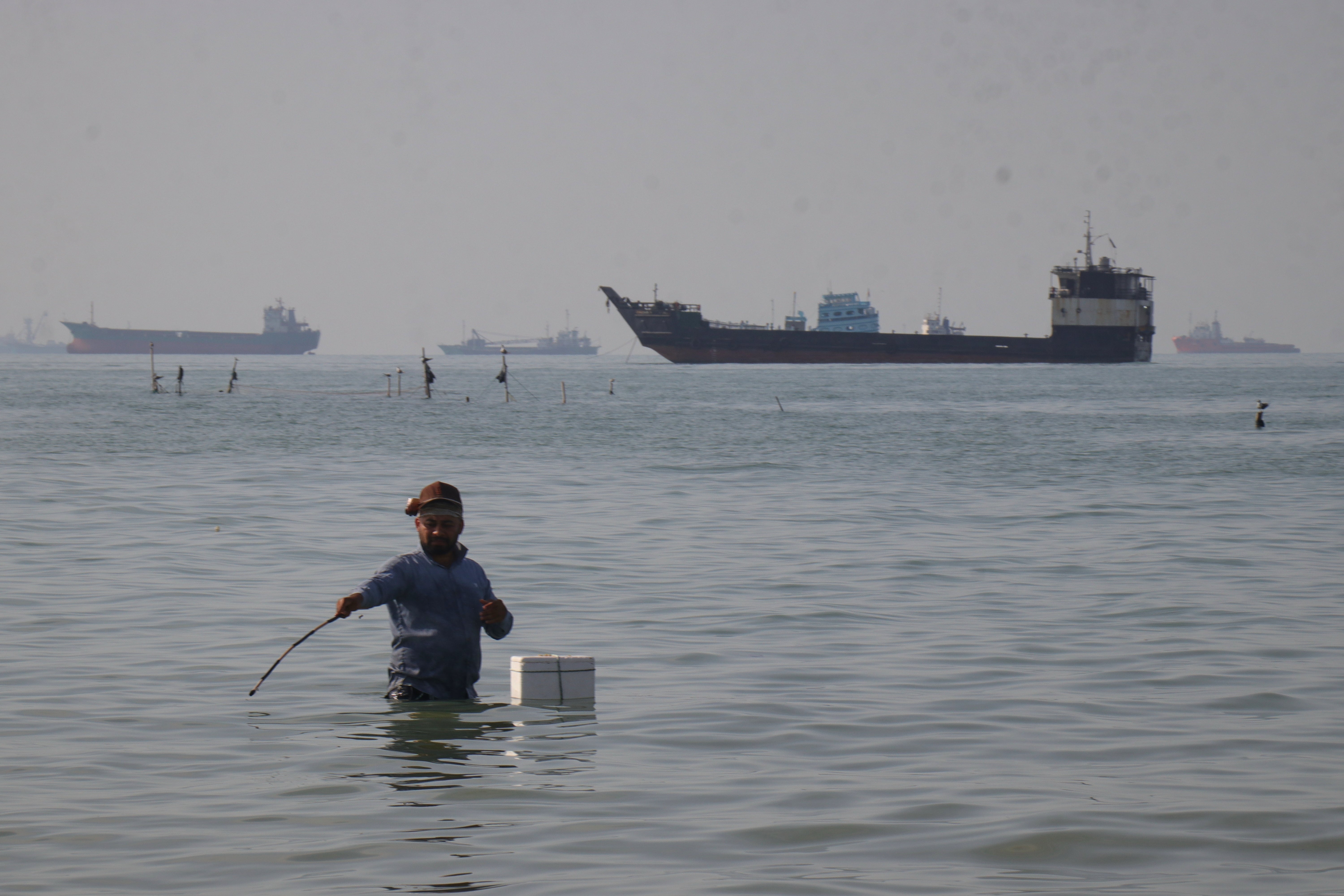
Trump said Iran has "not yet paid a big enough price" and suggested he could authorize fresh strikes, while Tehran warned a renewed war is likely. The article highlights stalled negotiations, a proposed opening of the Strait of Hormuz, and potential changes to sanctions and the U.S. blockade that could affect roughly 20% of global oil and gas shipments. The escalation risk is high for energy markets, shipping routes, and broader geopolitical stability.
The market is underpricing how quickly a renewed strike cycle could reprice the entire Gulf energy complex: not just crude, but tanker rates, insurance, LNG basis, and regional airline/industrial input costs. The first-order move is higher headline oil, but the more durable second-order effect is a persistent risk premium on any route-dependent commodity flow through the Strait, which tends to compress after a few sessions only if there is a credible de-escalation path. Absent that, energy volatility itself becomes the tradeable asset, and that is where the convexity sits.
The real winners are not just upstream producers; they are U.S. integrateds with trading desks and any asset-light logistics beneficiaries able to arbitrage dislocations. The losers are Middle East exposed transports, select refiners that cannot fully pass through feedstock spikes, and import-dependent EMs with weak FX buffers. A broader conflict also increases the odds of emergency policy responses—SPR discussion, diplomatic carve-outs, sanctions tightening/loosening—and those create whipsaw risk over a 1-4 week horizon rather than a straight-line move.
The consensus likely overweights the possibility of a fast negotiated off-ramp. That is a mistake because the sequencing matters: even if talks resume, the market will demand evidence of reduced kinetic risk before removing the premium, so the downside in oil can be slower than the upside. Conversely, if strikes remain only a threat and no follow-through arrives, the current hawkish pricing can fade quickly; the best expression is therefore not naked beta, but structures that monetize elevated vol while limiting left-tail losses.
The highest-conviction contrarian angle is that the biggest P&L may come from the air pocket after the first escalation headlines, not from the initial spike. If shipping remains open and there is no material physical disruption, crude can mean-revert while implied vol stays rich, creating an attractive setup for premium sellers or calendar structures. The key catalyst window is the next 3-10 days, when rhetoric either hardens into action or becomes bargaining leverage.
AI-powered research, real-time alerts, and portfolio analytics for institutional investors.
Request DemoOverall Sentiment
strongly negative
Sentiment Score
-0.60
