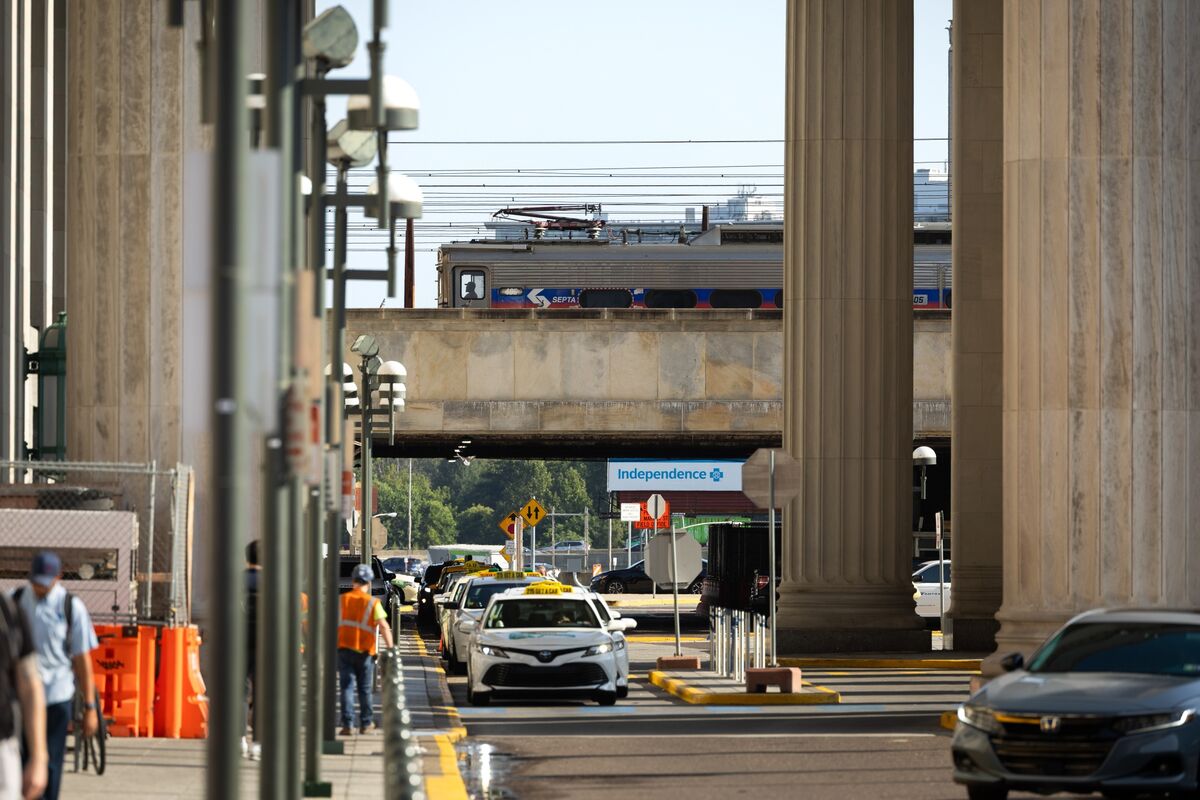
Cash-strapped Southeastern Pennsylvania Transportation Authority (SEPTA) has requested approval for up to $394 million from the Pennsylvania Department of Transportation to address a critical funding gap. This one-time use of state capital assistance funds is intended to cover a $213 million budget deficit that led to recent drastic service cuts, enabling SEPTA to restore full service for the next two years.
The Southeastern Pennsylvania Transportation Authority (SEPTA) is confronting a severe operational funding crisis, culminating in a request for up to $394 million in emergency state aid. This move is a direct response to a $213 million budget deficit that has already precipitated drastic service cuts, signaling significant fiscal distress. The proposed solution—a one-time diversion of state capital assistance funds—is notable for its temporary nature. While the bailout would provide a critical two-year lifeline to restore full service, it does not address the underlying structural funding gap. The situation's moderately negative sentiment and uncertain tone reflect this short-term patch, highlighting the persistent risk to the agency's long-term financial stability. As a localized event with a low market impact score, its primary relevance is for investors in municipal finance and regional infrastructure, serving as a case study in the challenges facing urban public transit systems.
AI-powered research, real-time alerts, and portfolio analytics for institutional investors.
Request DemoOverall Sentiment
moderately negative
Sentiment Score
-0.65
