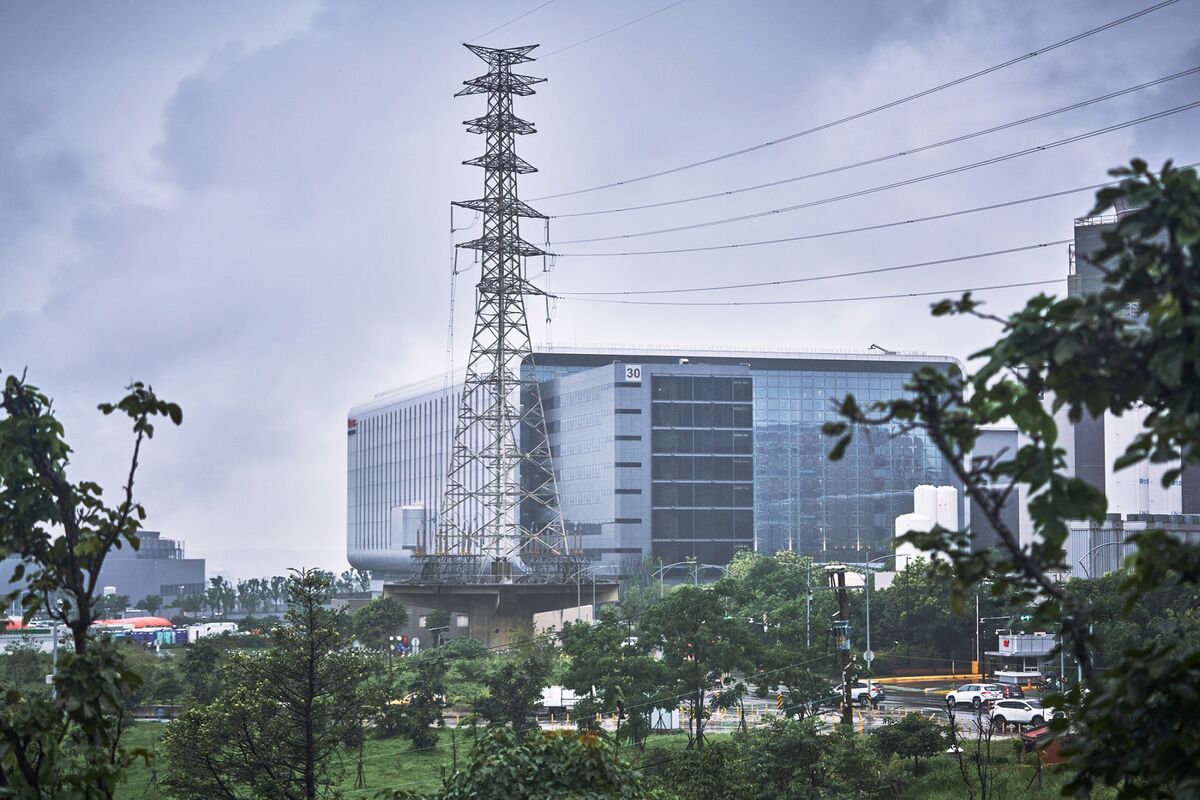
Taiwan’s LNG supply was disrupted after the Strait of Hormuz was shuttered, with no Qatar shipments docking at the Yongan terminal since early March. The article highlights how Taiwan’s chip-driven prosperity also creates vulnerability to geopolitical shocks and energy import interruptions. The situation underscores broader supply-chain and energy security risk for Taiwan and global semiconductor manufacturing.
The first-order market read is not just higher Asian LNG import costs; it is a forced re-pricing of Taiwan as a node in a just-in-time industrial system whose resilience assumptions were already thin. When energy arrives by a narrow set of maritime corridors, the marginal effect is nonlinear: even a temporary closure pushes up power costs, raises insurance premia, and creates a credibility gap for manufacturers promising uninterrupted delivery to hyperscalers and foundries. The more important second-order effect is that Taiwan’s chip ecosystem becomes a hostage to upstream utilities and logistics, not just wafer fabs.
This should widen the valuation spread between hardware names with geographically concentrated production and platforms with diversified assembly, inventory buffers, or lower energy intensity. The vulnerable set is not only semis but also any export chain dependent on Taiwanese intermediary components, because customers will start paying for dual-sourcing and safety stock even if the crisis fades. That means near-term margin pressure can show up in otherwise “unrelated” sectors through higher working capital, expedited freight, and idle-capacity insurance.
The catalyst path is asymmetric: days bring spot price spikes and headlines, weeks bring production rescheduling and inventory drawdowns, and months bring capex decisions to harden supply chains. The key reversal trigger is not just a diplomatic reopening, but evidence that alternative LNG routing, strategic reserves, or demand rationing can fully offset the corridor risk; absent that, the market should assume a persistent geopolitical risk premium. My read is that consensus is underestimating how much of Taiwan’s silicon shield thesis depends on uninterrupted energy inflows, not just talent and fabs.
Contrarianly, the move may be overdone in the most globally diversified semiconductor firms because they can reallocate inventory and prioritize high-margin orders while competitors with less scale absorb the shock. The better expression is to short the fragile end of the supply chain, not the entire semi complex: suppliers tied to Taiwan-only manufacturing, higher-energy industrials, and logistics-dependent exporters should underperform first. If the crisis drags beyond one quarter, expect customers to accelerate geographic diversification, which is structurally negative for Taiwan’s pricing power but positive for semiconductor equipment and fab-build beneficiaries outside the island.
AI-powered research, real-time alerts, and portfolio analytics for institutional investors.
Request DemoOverall Sentiment
strongly negative
Sentiment Score
-0.55
