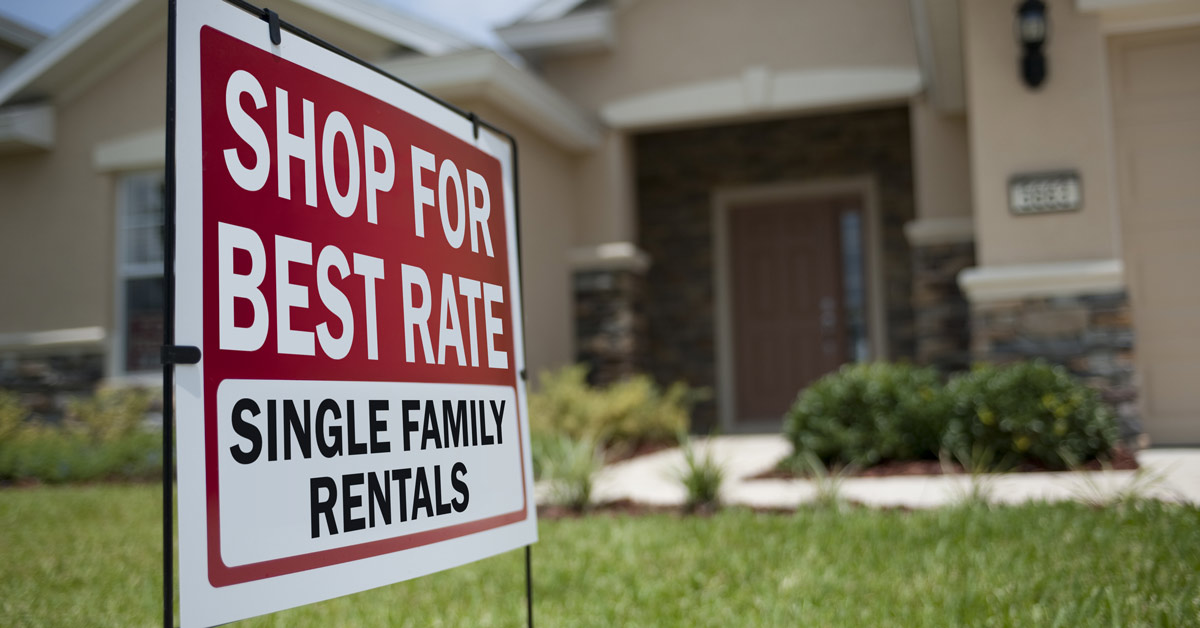
U.S. single-family rent growth slowed significantly in August to an annual rate of 1.4%, marking the slowest pace since 2010 and a notable deceleration from 2.3% in July and higher rates a year prior. This slowdown is broad-based across all price tiers, yet regional variations persist, with metros like Chicago (4.7%), Los Angeles (2.8%), and Philadelphia (2.7%) still experiencing strong rent increases. Conversely, Dallas saw a 0.6% decline, attributed to a surge in multifamily supply, underscoring how local market dynamics are driving divergent rental trends amidst a national cooling.
U.S. single-family rent growth decelerated significantly in August, reaching an annual rate of 1.4%, marking the slowest pace since 2010. This represents a notable drop from 2.3% in July and less than half the 3% growth observed from August 2023 to August 2024. The slowdown is broad-based, affecting both high-end units, which saw 1.6% growth (down from 3.3%), and low-end units, which increased 1.1% (down from 2.8% year-over-year).
Despite the national cooling, significant regional variations persist, driven by local supply constraints and economic factors. Metros like Chicago (4.7%), Los Angeles (2.8%), and Philadelphia (2.7%) continued to exhibit robust rent growth in August. Conversely, Dallas recorded a 0.6% decline, attributed by Cotality to a substantial influx of multifamily rental units, highlighting the impact of new supply on pricing power.
This widespread deceleration in single-family rent growth suggests a potential easing of inflationary pressures from the housing sector. The trend indicates a shift in market dynamics, moving away from the rapid appreciation seen in prior periods. The divergence between strong and declining markets underscores the increasing importance of granular, localized analysis for real estate investment strategies.
AI-powered research, real-time alerts, and portfolio analytics for institutional investors.
Request DemoOverall Sentiment
moderately negative
Sentiment Score
-0.50
