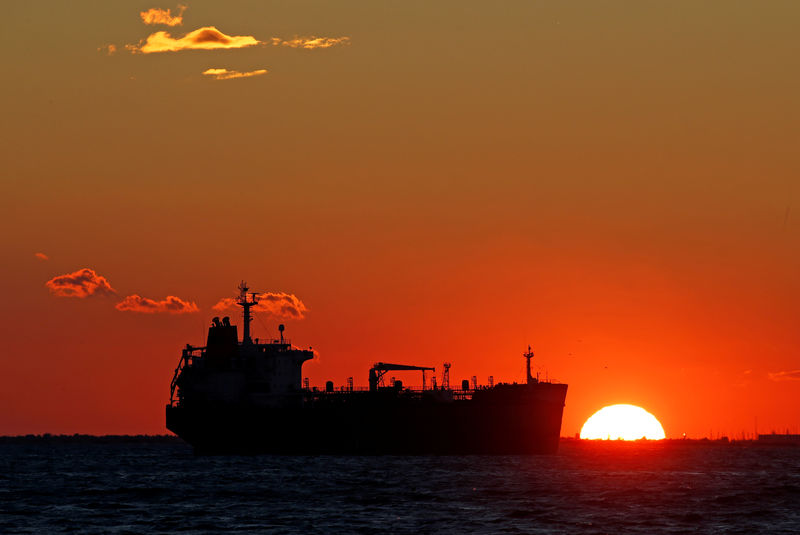
U.S. forces struck the Jalveer tanker off Oman with two Hellfire missiles, marking the third Indian-crewed tanker hit this week and leaving 20 crew safe after evacuation efforts began. The incidents come amid a U.S. blockade of Iran-related shipping that has now disabled 9 vessels and redirected 135, reinforcing elevated geopolitical and shipping-risk premiums in the Gulf of Oman/Strait of Hormuz corridor. While broader stocks rose on de-escalation reports, the article underscores persistent disruption risks for energy transport and sanctioned cargo flows.
The market should treat this less as a one-off security headline and more as a credibility test of the Oman/Strait of Hormuz risk premium. Even without a direct energy benchmark reaction yet, repeated enforcement actions against “non-compliant” cargoes raise the probability that freight, insurance, and vessel-availability costs rise faster than crude itself, which is usually the first-order channel traders miss. That favors integrated producers with trading arms and low leverage to spot shipping costs, while punishing commodity importers, refiners, and any industrials with Middle East-linked logistics exposure.
The second-order winner is not necessarily crude E&Ps but the shadow-transport ecosystem’s legitimate substitutes: compliant tonnage, maritime security, and insurers that can reprice Gulf risk quickly. If this pattern persists for 2-6 weeks, expect a tightening in effective tanker supply because owners will avoid the corridor, pushing up day rates and lengthening voyage times even absent a formal blockade expansion. That creates a stealth inflation impulse through delivered energy and petrochemical feedstocks, which can leak into airlines, chemicals, and Europe-sensitive cyclicals before headline oil spikes materially.
The key catalyst is whether this remains a contained interdiction campaign or morphs into retaliatory action that forces rerouting around the Cape, which would meaningfully tighten global vessel utilization for months. Conversely, a diplomatic pause or clearer mariner compliance framework would unwind much of the premium quickly because the current move is more about operational uncertainty than physical shortage. The consensus may be underpricing how quickly shipping risk can transmit into earnings revisions for import-dependent sectors even if Brent only moves modestly.
AI-powered research, real-time alerts, and portfolio analytics for institutional investors.
Request DemoOverall Sentiment
moderately negative
Sentiment Score
-0.35
