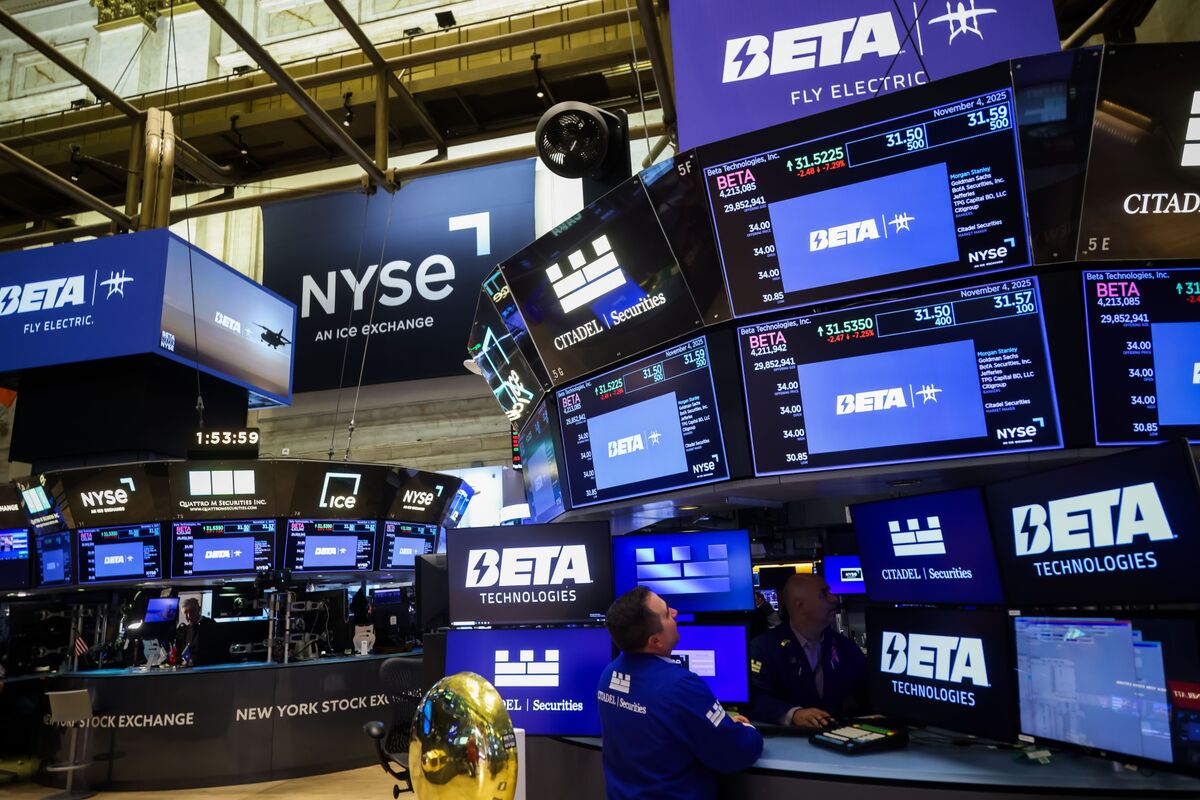
The ongoing government shutdown is significantly curtailing US IPO activity, pushing potential deals past Thanksgiving as the SEC's filing review functions are impaired. This delay impacts companies like Andersen Group Inc., Medline Inc., and Wealthfront Corp., which had aimed for a pre-Thanksgiving market debut, narrowing year-end public offering options and creating uncertainty for companies seeking to go public.
The protracted US government shutdown is severely impeding the initial public offering (IPO) market, directly curtailing the Securities and Exchange Commission's (SEC) filing review capabilities. This regulatory bottleneck is pushing back anticipated market debuts, creating significant uncertainty for companies planning to go public.
Companies such as Andersen Group Inc., Medline Inc., and Wealthfront Corp., which filed for IPOs in September or October, are now unlikely to complete their offerings before the Thanksgiving Day deadline of November 27. This delay effectively narrows the window for year-end public offerings, forcing companies to reconsider their timelines.
The overall sentiment surrounding the IPO market is strongly negative and pessimistic, reflected by a sentiment score of -0.65. This situation indicates a notable negative market impact (score 0.55) on the primary market, as regulatory hurdles stemming from domestic politics disrupt capital formation processes.
AI-powered research, real-time alerts, and portfolio analytics for institutional investors.
Request DemoOverall Sentiment
strongly negative
Sentiment Score
-0.65
