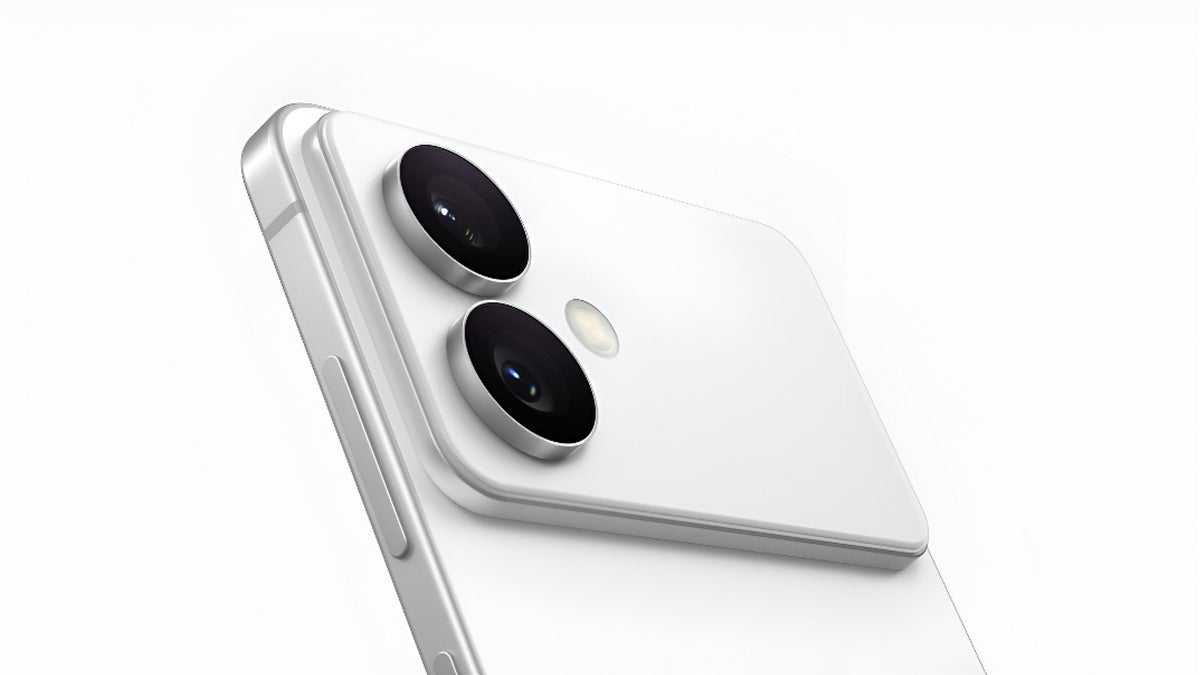
Samsung is reportedly considering a redesign of its flagship Galaxy phones, potentially changing the rear camera island or overall layout as soon as the Galaxy S27 series next year. The rumored change could later extend to A-series mid-range devices, but the move is still only under review and no product decision has been made. The article suggests possible horizontal or circular camera designs, replacing Samsung’s long-running vertical triple-camera setup.
A Samsung industrial-design reset matters less as a cosmetic event and more as a signal that the company is trying to re-open the premium phone “conversation” after years of visual stagnation. When a handset leader changes the camera architecture, it is usually because management wants to justify a new upgrade cycle and reclaim mindshare from Apple before competitors turn form factor into a status advantage. The first-order beneficiaries are likely Samsung’s own channel and component ecosystem; the second-order losers are accessory makers and low-end Android OEMs that rely on design convergence to appear premium.
The bigger implication is competitive cadence. If Samsung moves first in the next flagship cycle, Apple will face another round of design comparison pressure, but the more meaningful read-through is to Android suppliers: camera module, lens, and mechanical-part vendors could see higher spec intensity and higher ASPs if the new layout requires different stacking and enclosure tolerances. That tends to favor tier-1 component names with smartphone exposure over assemblers, because a redesign creates incremental engineering content even if unit volumes are flat.
The contrarian angle is that visual redesigns often create short-lived enthusiasm but limited monetization unless they meaningfully improve imaging, battery, or thermal performance. If the change is mostly aesthetic, the market may overestimate upgrade demand, especially in a mature handset market where replacement cycles are already stretched. In that case, the trade is not on Samsung share performance itself, but on whether the redesign induces a temporary sell-through bump in the premium Android ecosystem while leaving broader handset demand unchanged.
The main risk is timing: this is a multi-quarter story, not a near-term catalyst, and it can easily slip if product validation or supply chain tooling runs into issues. The upside scenario is a visible design break in the next flagship launch that resets the narrative into 2026 and forces follow-on adoption across the mid-range portfolio. The downside is that a half-measure redesign gets ignored by consumers, producing cost without pricing power.
AI-powered research, real-time alerts, and portfolio analytics for institutional investors.
Request DemoOverall Sentiment
neutral
Sentiment Score
0.10
Ticker Sentiment
