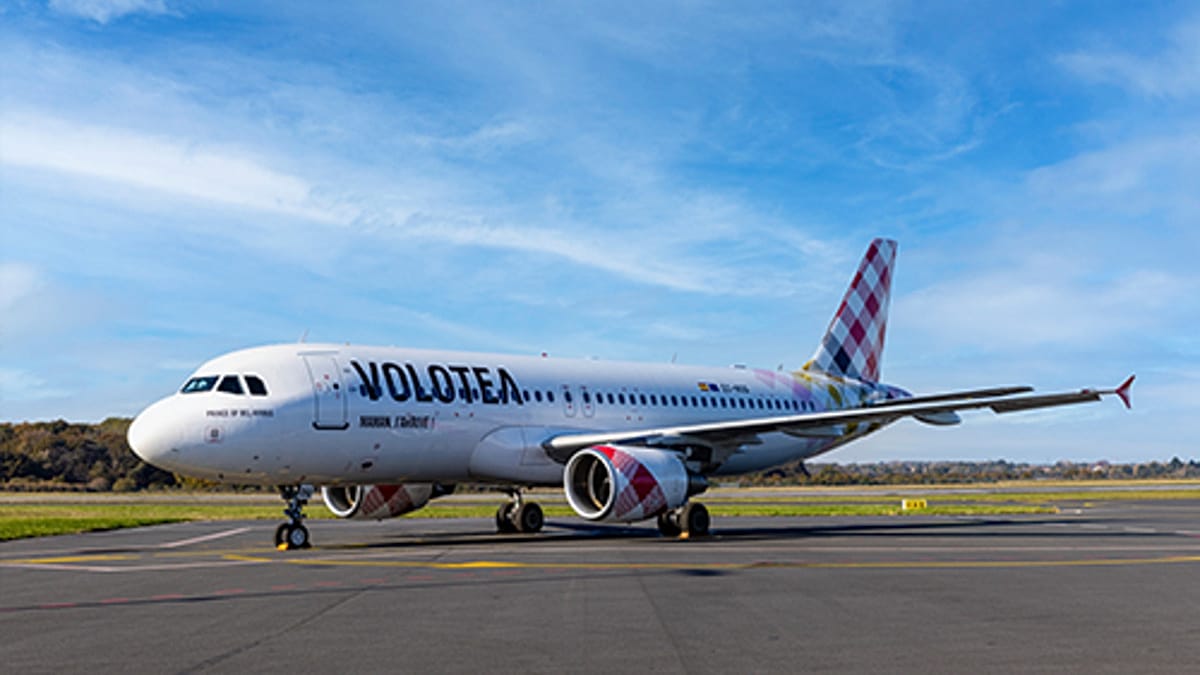
The European Commission barred airlines from retroactively adding fuel surcharges to tickets sold in the EU and said high jet fuel prices tied to the Middle East crisis do not excuse passenger compensation. Volotea had been applying surcharges of up to €14 and several carriers, including Lufthansa, British Airways and KLM, have canceled flights as fuel costs doubled since February. EU rules still require reimbursement, rerouting or compensation for last-minute cancellations unless airlines can prove extraordinary circumstances such as an actual fuel shortage.
This is a margin-compression shock for EU leisure carriers more than a simple fuel-cost story. The Commission is effectively capping a key pass-through mechanism just as spot fuel volatility is rising, which means the earnings hit lands immediately on weaker balance sheets and lower-cost operators that rely more on ancillary revenue. The real second-order effect is competitive: airlines that can hedge better, own more premium traffic, or have stronger loyalty ecosystems should hold pricing power, while pure price-discount models risk absorbing the spread between fuel and fares.
The bigger legal risk is not the surcharge ban itself but the expansion of compensation liability. If carriers keep invoking “economic unfeasibility” for cancellations, they may still owe payouts unless they can prove a true supply disruption, which looks like a narrow defense. That creates a one-two punch over the next 1-3 months: higher unit costs from fuel plus higher cash leakage from disruption management, especially if route networks are re-optimized too aggressively and then forced to pay to reaccommodate passengers.
Consensus seems to underestimate how asymmetric this is across the sector. The market may be assuming fuel inflation can be offset by pricing, but EU consumer law removes some of that flexibility exactly when demand is seasonally strongest; that is bearish for carriers with the least pricing discipline and weakest hedging. The contrarian angle is that the hit may be temporary if fuel retraces quickly, but if fuel stays elevated into summer, the real beneficiary is not necessarily airlines with the largest absolute pricing power — it is aircraft lessors, airports, and select OTA/booking platforms that earn on transaction volume rather than route economics.
AI-powered research, real-time alerts, and portfolio analytics for institutional investors.
Request DemoOverall Sentiment
mildly negative
Sentiment Score
-0.15
