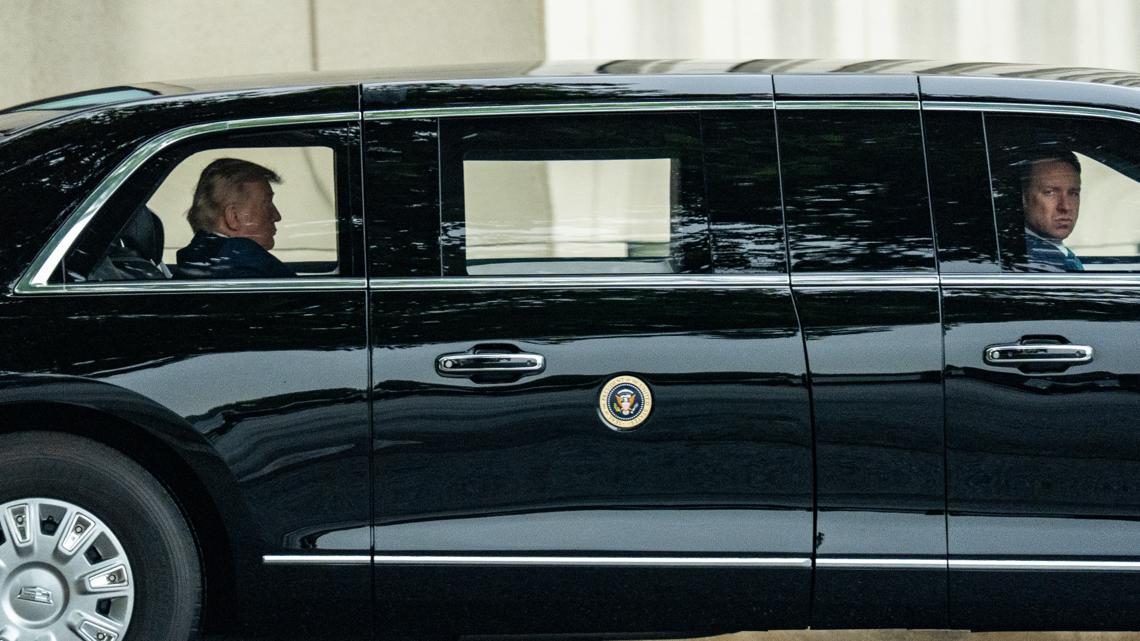
The U.S. is close to a tentative Iran ceasefire framework, but several major issues remain unresolved, including Iran's 440.9 kilograms of 60%-enriched uranium, sanctions relief, and whether the deal covers Hezbollah in Lebanon. Talks are still expected to take several more days, while U.S. strikes on Iranian missile and mine-laying sites and Israel's continued operations in Lebanon keep the situation volatile. The outcome could affect Strait of Hormuz reopening, oil and fuel prices, and broader geopolitical risk.
The market setup is less about whether a deal is announced and more about the credibility of the enforcement regime behind it. Any headline ceasefire that leaves uranium disposition, proxy activity, and regional sanctions ambiguously deferred creates a classic “risk premium compression / tail-risk persistence” dynamic: near-term energy and defense vol can gap lower on optics, but the embedded probability of a snapback remains high because the hardest issues are explicitly being kicked into a second phase. That favors a fade-the-rally posture in cyclical risk assets and a selective bid for volatility hedges rather than outright directional bets. The most important second-order effect is on Gulf behavior. If sanctions relief starts flowing before verification is robust, Tehran gains a bridge to replenish missile inventories, drones, and proxy funding, which would keep shipping and infrastructure-security risk elevated even if headline fighting pauses. That means the “peace dividend” is likely to be uneven: refiners, shippers, insurers, and midstream assets tied to the Strait can rerate on lower spot tension, while defense, maritime security, and domestic infrastructure-security names retain a structural bid on recurring incident risk. Politically, the deal’s fragility matters for market timing. A few days of optimism can be reversed quickly by any renewal of strikes or a domestic backlash that forces harder bargaining, so the relevant horizon is days-to-weeks for crude and tanker volatility, but months for sanctions calibration and regional capital allocation. The contrarian takeaway is that the market may be overpricing durable de-escalation: a partial deal that preserves Israel’s freedom of action and leaves Lebanon/proxy questions unresolved is not a stable equilibrium, it is an intermission. The best asymmetry is to position for compressed headline volatility with persistent tail risk. If crude, tanker rates, and defense names sell off on a ceasefire headline, the move is likely tradeable rather than structural; if talks break down, the upside in energy and defense volatility can reprice quickly because positioning will be underhedged after any relief rally.
AI-powered research, real-time alerts, and portfolio analytics for institutional investors.
Request DemoOverall Sentiment
mildly negative
Sentiment Score
-0.15
