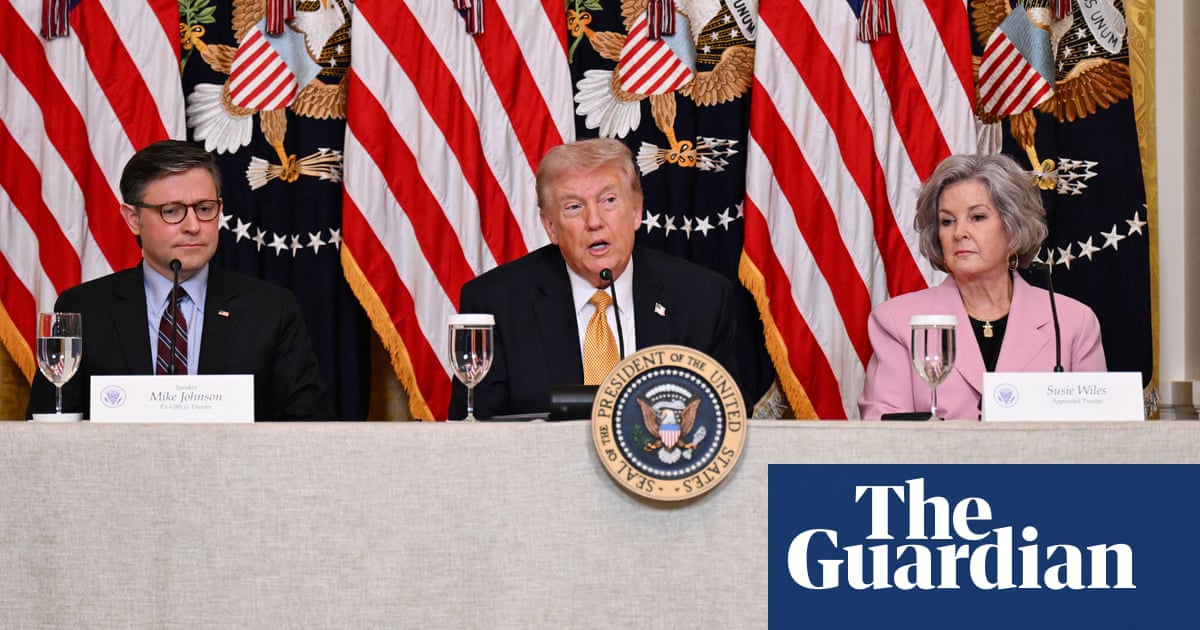
$257m: The Kennedy Center board unanimously approved a $257 million, two-year comprehensive renovation that will close the institution after the July Independence Day celebration, with a planned grand re-opening thereafter. The project and renaming push were driven by President Trump’s influence after reshaping the board, prompting artist cancellations (including Hamilton) and leadership turnover (Ric Grenell stepped down; Matt Floca confirmed). The move creates reputational and operational disruption risk for the center and its programming, but is unlikely to have material market impact beyond potential contractor or local-sector effects.
The immediate economic footprint is small ($257m) but concentrated: a two-year shuttering creates a multi-quarter vacancy in D.C.’s premium live-event calendar that will be reabsorbed by private venues, touring operators and convention spaces. Expect a concentrated 6–24 month rerouting effect — ticketing/production revenue moves to operators that can host 1,000–5,000+ capacity shows (Live Nation-style players) and to municipal venues that can flex programming, creating temporary upside in variable-cost event operators and short-term downside for premium downtown hospitality and ancillary businesses.
Second-order supply effects matter: contractors and specialty suppliers (acoustics, stage engineering, high-end finishes) get a modest but high-margin project; steel and specialty glazing demand is incremental but visible to regional contractors over a 3–9 month procurement window. Politically driven procurement and the overt branding tie to the administration increases execution and reputational risk — expect accelerated oversight, possible contract re-routes to politically-connected vendors, and heightened sponsor/donor reallocation risk that could depress philanthropic cashflows to performing-arts nonprofits for 12–36 months.
Catalysts and reversal paths are binary and time-staged: near-term (days–weeks) look for booking cancellations and alternative venue announcements; medium-term (3–12 months) watch contractor award notices, procurement filings and donor/sponsor statements; long-term (24+ months) the grand reopening and naming-related corporate sponsorship deals will determine whether the center re-enters as a revenue-enhancing premium asset or a tarnished brand. The consensus is treating this as purely reputational; investors should price a measurable, multi-quarter revenue shift in live entertainment and hospitality around D.C., and a small procurement play for engineering/construction names.
AI-powered research, real-time alerts, and portfolio analytics for institutional investors.
Request DemoOverall Sentiment
mildly negative
Sentiment Score
-0.35
