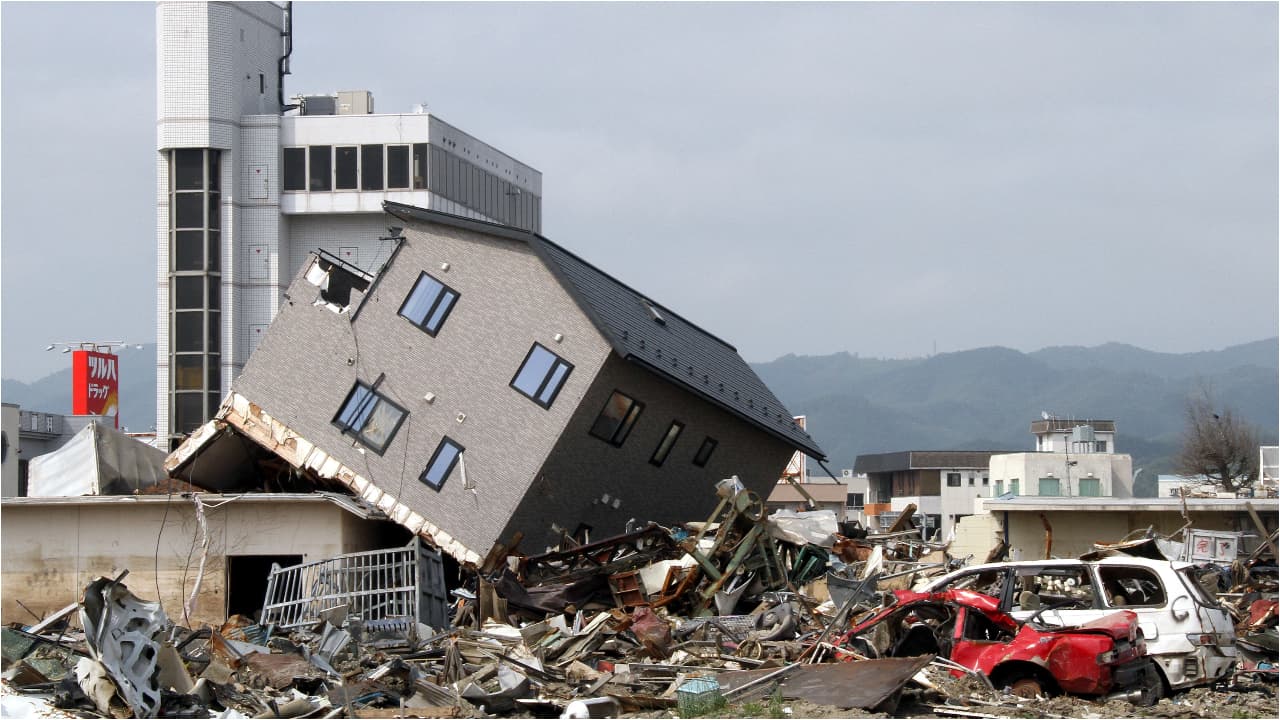
A magnitude 6.7 earthquake struck off southern Philippines near Santiago, with the USGS also recording a 6.4 event about 27 km east of the city; authorities report no tsunami alert and no immediate official damage or casualty reports. Local agencies and emergency services are monitoring for aftershocks and assessing impacts to populated areas and infrastructure. Given the lack of confirmed damage and no tsunami, immediate regional market disruption is limited, but investors should track updates for potential localized supply-chain or infrastructure effects.
Market Structure: A ~M6.7 nearshore quake is most likely to create localized winners (construction firms, cement/steel suppliers, generators/logistics providers) and losers (local real estate developers, insurers with concentrated Philippines exposure). Immediate demand shock for repair/replacement goods should raise short-term revenue for materials suppliers by an estimated 5-15% in affected provinces over 1–3 months, while insurance loss recognition could pressure underwriting P&Ls if claims exceed retention thresholds.
Risk Assessment: Tail risks include a damaging aftershock or infrastructure failure (ports, power plants) that propagates supply-chain shocks for ASEAN manufacturing — a >20% shutdown in a regional port would meaningfully hit exports and FX. Time horizons: days — elevated volatility in PHP/PSE and interbank liquidity; weeks–months — insurance/reinsurance loss estimates and reconstruction capex; quarters+ — potential regulatory/retrofit mandates raising construction input demand.
Trade Implications: Cross-asset, expect temporary PHP weakness (USD/PHP +1–3%) and modest widening of PH sovereign spreads (+10–40bps) on material damage reports; EM beta (EEM) should lag in first 48–72 hours. Tactical plays: protect EM exposure with short-dated puts, buy selective global reinsurers if pricing hardens, and rotate out of Philippines property/consumer banks into materials/engineering contractors on confirmed damage estimates.
Contrarian Angles: The market consensus will likely overreact to headlines; historically similar magnitude quakes without tsunami produce localized losses and mean-revert in 2–6 weeks. Mispricings occur when EM ETFs and the PHP overshoot; conversely, underappreciated long-term structural upside accrues to cement/retrofit suppliers and listed contractors if reconstruction CAPEX >$100M regionally. Use rule-based entry points tied to >3% index moves or >15bp spread shifts.
AI-powered research, real-time alerts, and portfolio analytics for institutional investors.
Request DemoOverall Sentiment
neutral
Sentiment Score
-0.10
