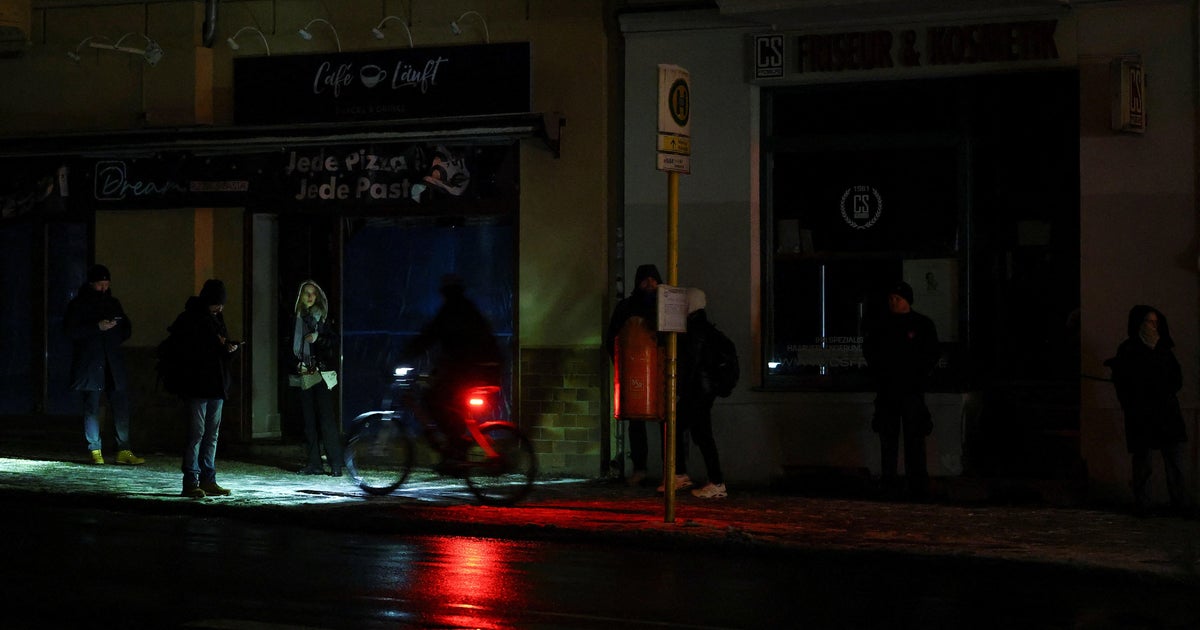
A left-wing extremist group claiming the Vulkangruppe set fire to high-voltage cables near Berlin's Lichterfelde heat and power station, cutting electricity to about 45,000 households and more than 2,000 businesses and leaving roughly 30,000 households still offline as crews work to replace cables in frozen ground; full restoration is not expected until Thursday. The attack disrupted hospitals, care homes, commuter rail and cell networks, prompted the Berlin mayor to label it terrorism, and has triggered calls for federal investigative assistance and stronger grid protection — developments that could drive near-term regulatory scrutiny, security spending and focused downside risk for local utilities, infrastructure operators and insurers.
Market structure: Physical attacks on urban grid point to immediate winners in high-voltage cable manufacturers, grid-control/SCADA vendors and security integrators (Siemens/Siemens Energy, ABB, Schneider, Honeywell, CrowdStrike) and losers among concentrated data-center operators and single-site manufacturers (near-term disruption to TSLA Gigafactory risk). Expect pricing power for grid retrofit equipment and microgrids to rise over 12–36 months as municipalities accelerate hardening; copper and specialty polymer cable demand should tick up 5–15% regionally during replacement cycles. Cross-asset: short-term risk-off should compress German yields and lift safe-haven flows (Bunds, CHF); utility equity vols and power-forward curves in Germany likely spike for weeks, pressuring energy hedges and short-dated options markets.
Risk assessment: Tail risks include coordinated multi-city attacks causing national emergency powers, large insurance losses (>€1bn) or temporary nationalization of critical assets — low probability but severe for utilities and insurers over 6–24 months. Immediate (days) operational risk is restoration and reputational hits; short-term (weeks–months) is regulatory capex and insurance repricing; long-term (years) is structural shift to decentralized generation and higher security OPEX. Hidden dependencies: telecom and rail outages create demand cascades; frozen soil complicates repair times, increasing replacement cost per km by an estimated 20–40% in winter months. Catalysts: additional claims of responsibility, federal emergency funding within 30–60 days, or new EU critical-infrastructure legislation.
Trade implications: Favor 6–24 month directional longs in industrials/utility-tech (SIEGY/SIE.DE, ABB, ETN) and security software (CRWD, PLTR) funded by modest shorts in high-concentration data-center REITs and operationally exposed manufacturers (small short in TSLA 1–2% size or put hedge). Use options to express views: buy 9–12 month 10–20% OTM calls on ABB/SIEGY (theta-friendly LEAP style) and buy 3-month ATM puts on TSLA sized 0.5–1% portfolio as event hedge. Rotate portfolio overweight to Industrials/Utilities (+200–400 bps) and underweight Data Centers/Single-site Industrials by similar amount for 3–12 months.
Contrarian angles: The market may underprice long-run demand for hardened-grid capex — consensus sees this as episodic vandalism rather than a multi-year spending program; if German/EU funding >€1bn in 60 days, industrials could re-rate 15–30%. Conversely, reaction could be overdone on TSLA operational risk vs. persistent battery demand; avoid large structural shorts. Historical parallels (post-2000 infrastructure shocks) show outsized multi-year gains for engineering firms and security software, while insurers repriced upwards then stabilized; expect similar pattern here.
AI-powered research, real-time alerts, and portfolio analytics for institutional investors.
Request DemoOverall Sentiment
moderately negative
Sentiment Score
-0.45
Ticker Sentiment
