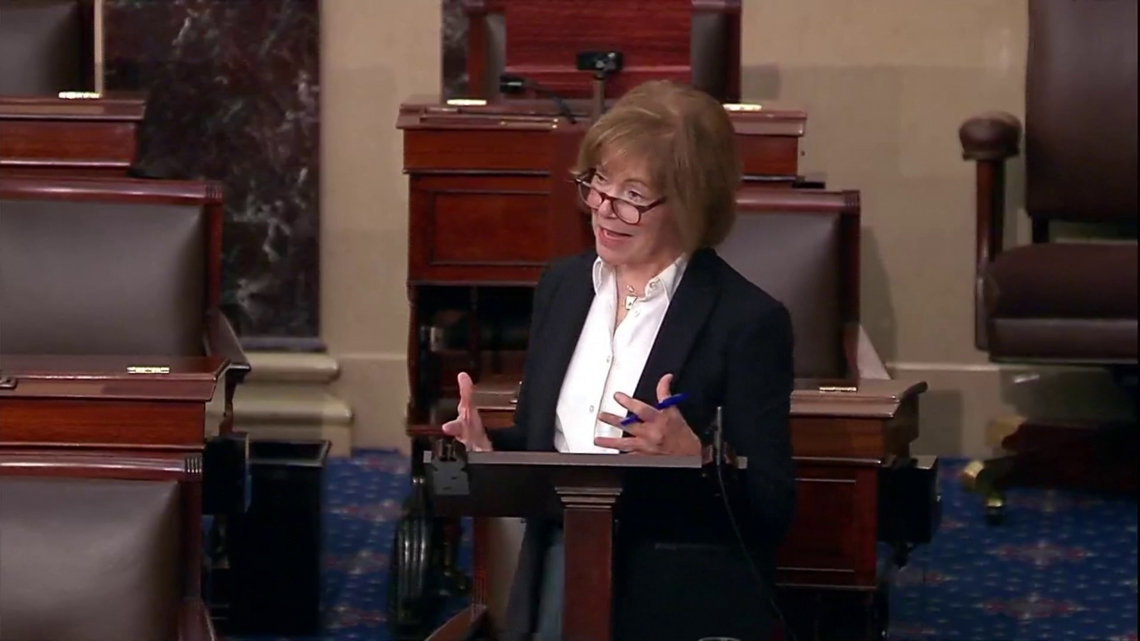
The U.S. Senate voted 50-49 to overturn the 20-year ban on copper-nickel mining in Minnesota's Boundary Waters watershed, sending the measure to President Trump's desk for final approval. The decision could reopen more than 225,000 acres to sulfide mining, a shift with implications for domestic critical minerals supply, environmental protection, and local union jobs. The vote is politically charged and may affect mining and commodity-related names tied to the Duluth Complex and the proposed Antofagasta-backed project.
This is less a standalone mining catalyst than a signal that federal permitting risk is migrating from rhetoric to executable policy, which should modestly re-rate any project with a long-dated environmental approval stack. The immediate economic winner is not the unnamed deposit itself but the legal/advisory ecosystem around hard-asset development: developers with cleaner jurisdictional paths, brownfield expansions, and existing infrastructure become relatively more valuable because capital will price in a higher probability of future reversals or injunctions in greenfield projects.
Second-order, the decision is bearish for the domestic copper-nickel optionality embedded in the Minnesota/Northwoods complex and mildly supportive for incumbent North American producers with lower regulatory overhang, especially those already operating in stable jurisdictions. If a new U.S. supply source remains delayed, the market is forced to lean longer on imported refined material and concentrates, which can widen the premium for existing domestic supply chains and benefit midstream and smelting capacity outside the contested basin. The larger implication is that “critical minerals” policy is now bifurcating into security-vetted projects versus politically exposed ones, increasing dispersion across the sector.
The tradeable risk is that this becomes a short-lived headline rather than a durable regime change. If the White House finalizes approval and litigation fails to slow deployment, the market may quickly discount the outcome as a one-off, with the real timeline stretching years before any physical supply impact is visible. Conversely, any court challenge, state-level permitting friction, or election-cycle reversal would extend the overhang and keep the opportunity set skewed toward incumbents and away from speculative development names.
Contrarian view: the market may be overestimating the near-term impact on copper fundamentals. Even a fully financed project here is a multi-year supply story, so the actual price effect is likely far more muted than the political noise suggests; the bigger consequence is capital allocation discipline, not tonnage. That makes this more attractive as a relative-value regulatory trade than as a directional bet on copper itself.
AI-powered research, real-time alerts, and portfolio analytics for institutional investors.
Request DemoOverall Sentiment
mildly negative
Sentiment Score
-0.20
