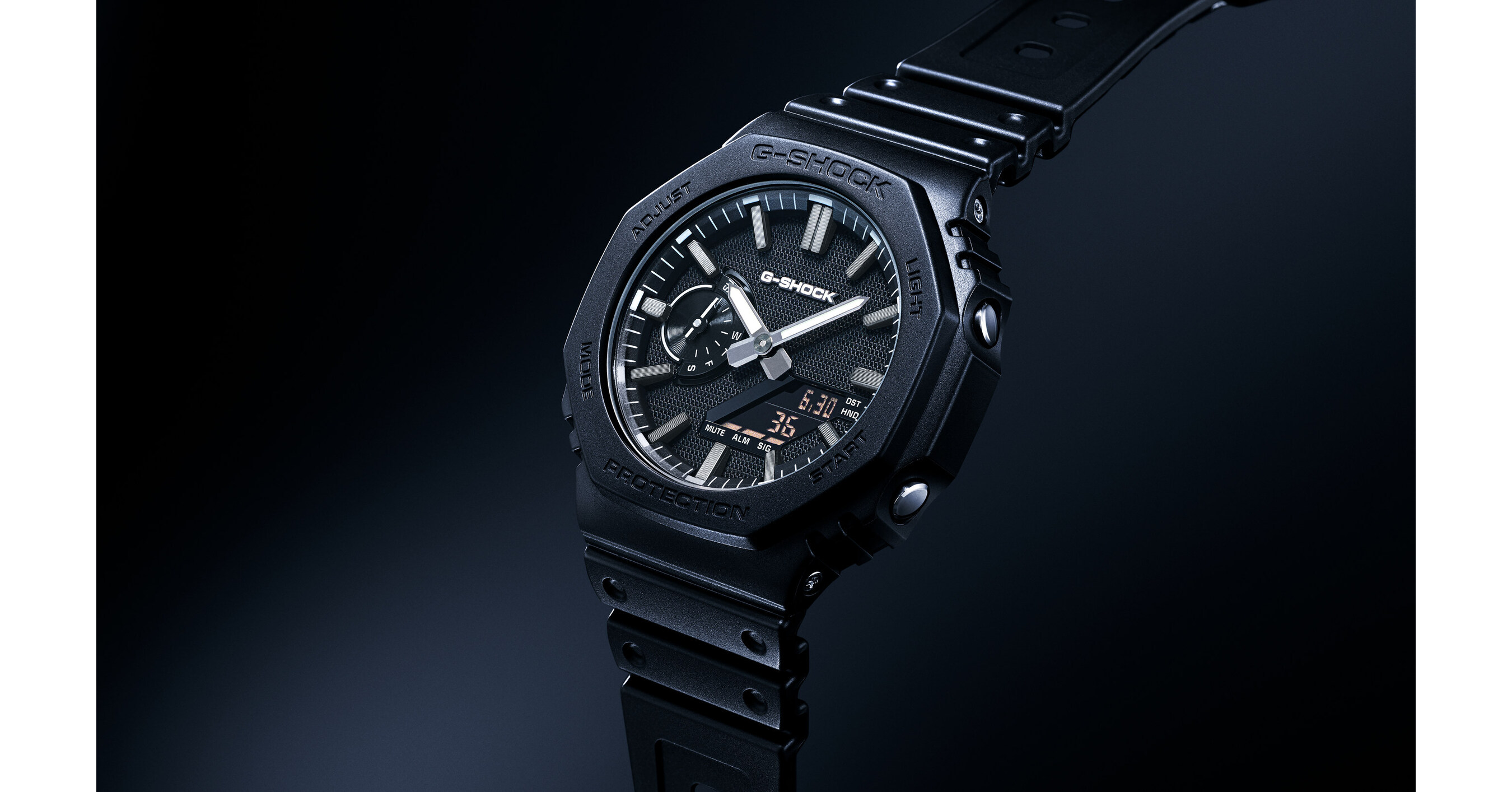
Casio America launched the G-SHOCK Luxe Black Collection (GA2100LXB-1A, -1A9, GM2100LXB-1A, -1A9) with premium all-black finishes and metallic detailing, priced at $145 (GA) and $260 (GM). The models retain core specs including 200-meter water resistance, shock resistance, world time (48 cities), 1/100th-second stopwatch, and double LED illumination. Availability starts immediately via G-SHOCK.com, the SoHo store, and select retailers, supporting a modest positive read-through for product demand, with limited direct market impact.
This looks more like a brand-defense and mix-management move than a meaningful revenue catalyst. The economic lever is not unit growth; it is whether Casio can keep the same silhouette selling at a higher average selling price without markdowns, which matters more for gross margin than topline. In that sense, the real winners are the retailers and distributors that can hold full-price inventory into the season, while the losers would be any fashion-watch competitors relying on undifferentiated black-on-black product to clear at discount.
For public comps, the cleanest read-through is to Movado (MOV) and Fossil (FOSL): if premiumized analog-digital styling is resonating, it supports the thesis that mid-tier watches can still command scarcity premium even in a weak discretionary backdrop. But the second-order risk is that this kind of launch is easy to imitate and often front-loads demand without changing category economics; if sell-through is mediocre, the premium version just becomes a higher-ticket markdown item. The implication is most relevant over the next 1-3 months through channel checks and retailer inventory commentary, not on day one.
Contrarian view: the market often overreacts to product aesthetics in mature consumer categories. A launch like this can be a signal that management is leaning on design rather than organic demand, which is good for brand freshness but not necessarily a durable volume driver. Falsifiers are straightforward: if MOV or key watch retailers report improving full-price sell-through and lower inventory days, the premiumization thesis is real; if promotions tick up into the holiday build, this turns into a margin headwind instead of a growth story.
AI-powered research, real-time alerts, and portfolio analytics for institutional investors.
Overall Sentiment
mildly positive
Sentiment Score
0.12
Ticker Sentiment
