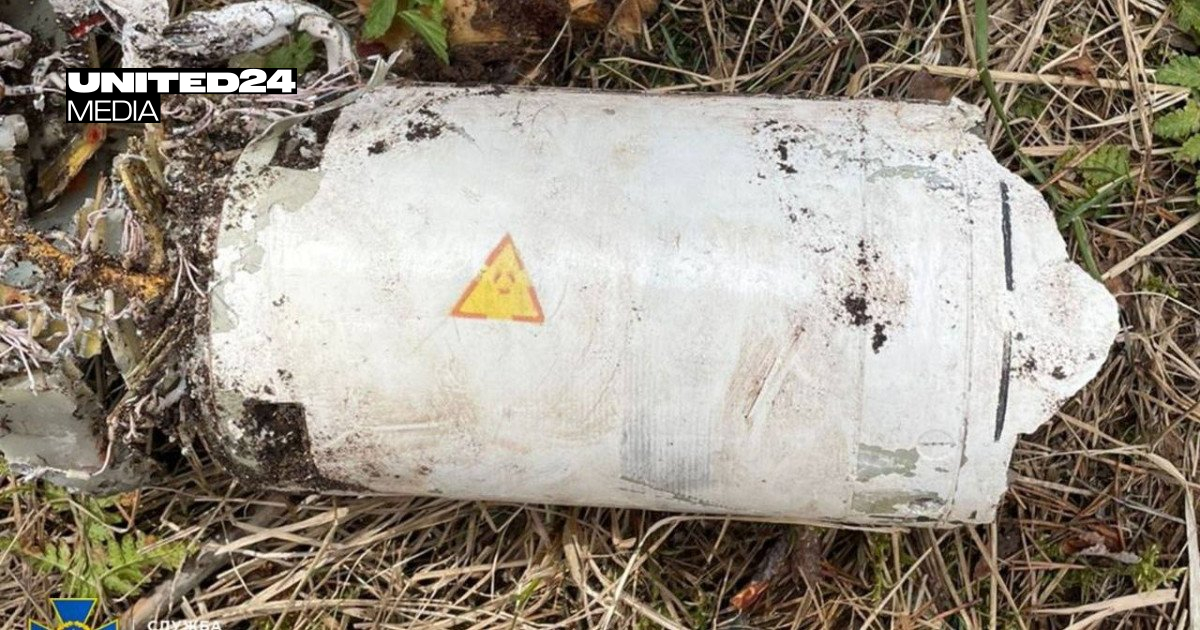
Ukraine’s SBU said it found elevated gamma radiation of 12 microsieverts per hour on debris from a modified Russian Geran-2 drone used in the April 7 attack near Kamka, with fragments of an R-60 missile and depleted uranium in the warhead. Authorities said the radioactive materials were secured and transported to storage, while warning civilians not to touch damaged drone or missile debris. The report underscores an escalation in Russia’s use of modified UAVs and raises renewed concerns about radioactive contamination in the conflict zone.
This is a marginal but meaningful escalation in the quality of Russian strike tactics: the signal is less about immediate battlefield lethality and more about expanding the psychological and contamination envelope around rear-area drone defense. The second-order effect is on Ukrainian air-defense economics—every added layer of uncertainty around debris handling, inspection, and decontamination increases downtime for interceptors, recovery crews, and local civil defense, which is exactly the kind of friction Russia wants to impose at low cost.
For defense beneficiaries, the trade is not the drone itself but the response stack: CBRN detection, remote inspection, disposal, protective gear, and hardened perimeter monitoring. That favors companies exposed to radiological sensing, battlefield cleanup, and counter-UAS systems over pure missile-defense primes; the procurement mix should skew toward smaller-ticket, faster-cycle buys that can land within weeks rather than years. Expect a near-term pull-forward in demand from Eastern Europe and potentially NATO border states for radiation sensors, hazmat gear, and drone debris processing capabilities.
The contrarian view is that the market may overread the novelty. A one-off modified munition does not change the strategic balance unless it becomes repeatable and operationally scalable, and the key watchpoint is whether allied intelligence treats this as a pattern or an isolated field modification. If this remains sporadic, the premium in defense-adjacent names could fade in days; if there are follow-on incidents, the narrative shifts into a months-long rearmament and civil defense upgrade cycle.
The tail risk is regulatory and political: any verified contamination event near civilian areas could accelerate international sanctions on dual-use components and trigger tighter controls on missile parts, drone electronics, and uranium-bearing materials. That would be bearish for select industrial exporters with Eastern Europe exposure, but bullish for U.S./EU domestic substitution in defense electronics and specialty safety equipment. The investment edge is to position around procurement velocity, not headline severity.
AI-powered research, real-time alerts, and portfolio analytics for institutional investors.
Request DemoOverall Sentiment
strongly negative
Sentiment Score
-0.65
