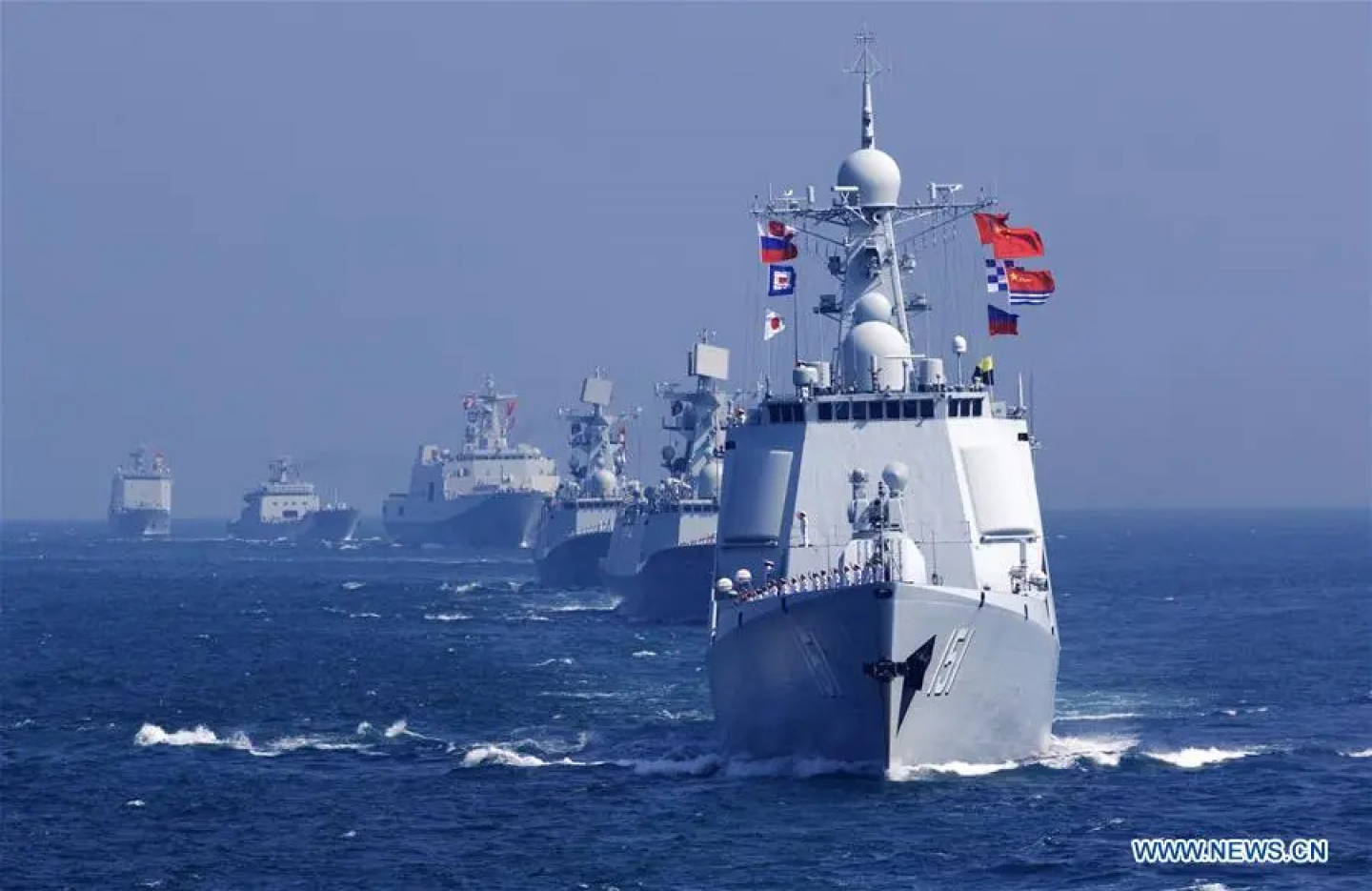
The article warns that Beijing may accelerate defence and security engagement across the Indo-Pacific, increasing geopolitical tensions as the United States is distracted. The framing implies heightened strategic risk and potential pushback in the region, but it does not cite a specific military action, policy shift, or market-moving event.
The market underestimates how quickly a shift from signaling to operational coercion can reprice defense risk premia. If Beijing starts probing more aggressively, the first beneficiaries are not the obvious primes alone but the layered supplier stack: surveillance, electronic warfare, ship components, unmanned systems, and munitions bottlenecks where order books can inflect before headline budgets do. The second-order effect is a higher probability of “just-in-case” procurement across allied Asian governments, which tends to show up in domestic industrials and mid-cap defense names before it reaches the megacaps.
This is less about a single event and more about a regime change in planning assumptions. The near-term catalyst window is days to weeks for headlines, but the earnings impact typically arrives over 2-6 quarters as procurement cycles, inventory restocking, and border/security capex translate into backlog growth. The key reversal signal would be credible de-escalation paired with resumed diplomatic bandwidth from the U.S., because the trade only works if counterparties believe Washington is not fully distracted.
The contrarian miss is that escalation can be bullish for selected infrastructure names, not just defense. Maritime security, ports, satellite communications, secure networking, and logistics hardening can all see incremental spend without a formal arms race. At the same time, the broad market often overestimates near-term budget urgency and underestimates the lumpy nature of government procurement, so chasing the headline can be costly if the move is not followed by appropriations.
Net: the best risk/reward is to own the picks-and-shovels while fading the most expensive, consensus defense proxies that already discount multi-year rearmament. The trade should favor names with visible backlog, lower China sensitivity, and direct exposure to Indo-Pacific deterrence modernization rather than broad defense ETFs that can stall if the rhetoric outruns funding.
AI-powered research, real-time alerts, and portfolio analytics for institutional investors.
Request DemoOverall Sentiment
mildly negative
Sentiment Score
-0.25
