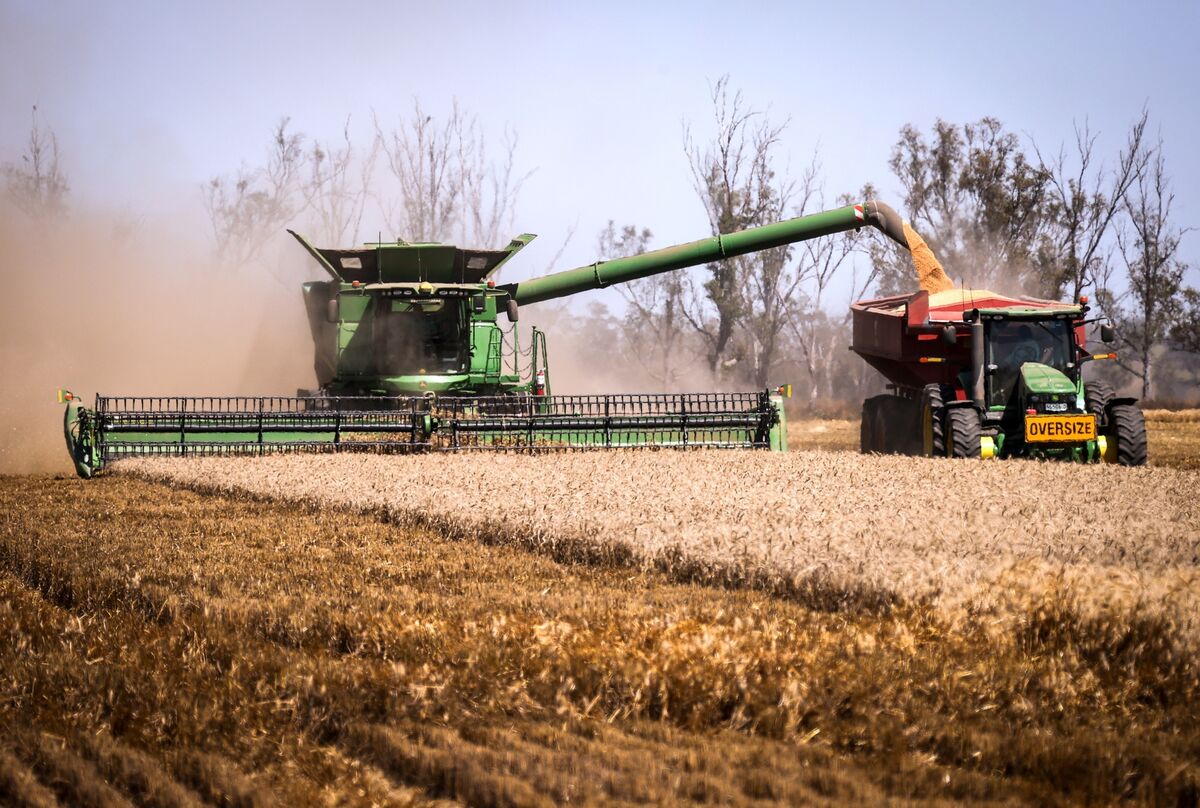
Australia has significantly upgraded its 2025 grains harvest forecast to approximately 62 million tons, a 12% increase from June's estimate and 26% above the 10-year average, following heavier-than-expected winter rainfall. This substantial revision, detailed in the Department of Agriculture's latest report, positions Australia for its fourth-largest wheat harvest on record, indicating a notable increase in global supply potential.
Australia's 2025 grains harvest forecast has been materially upgraded, with the Department of Agriculture now projecting a total output of approximately 62 million tons. This represents a significant 12% increase from the June forecast and stands 26% above the 10-year average, driven by heavier-than-anticipated winter rainfall. The revision positions the country for its fourth-largest wheat harvest on record, signaling a substantial positive supply shock to the global market. As a key exporter, this increased volume from Australia is likely to exert downward pressure on global wheat and grain futures, potentially offsetting supply tightness from other producing regions and impacting the profitability of non-Australian grain producers.
AI-powered research, real-time alerts, and portfolio analytics for institutional investors.
Request DemoOverall Sentiment
strongly positive
Sentiment Score
0.75
