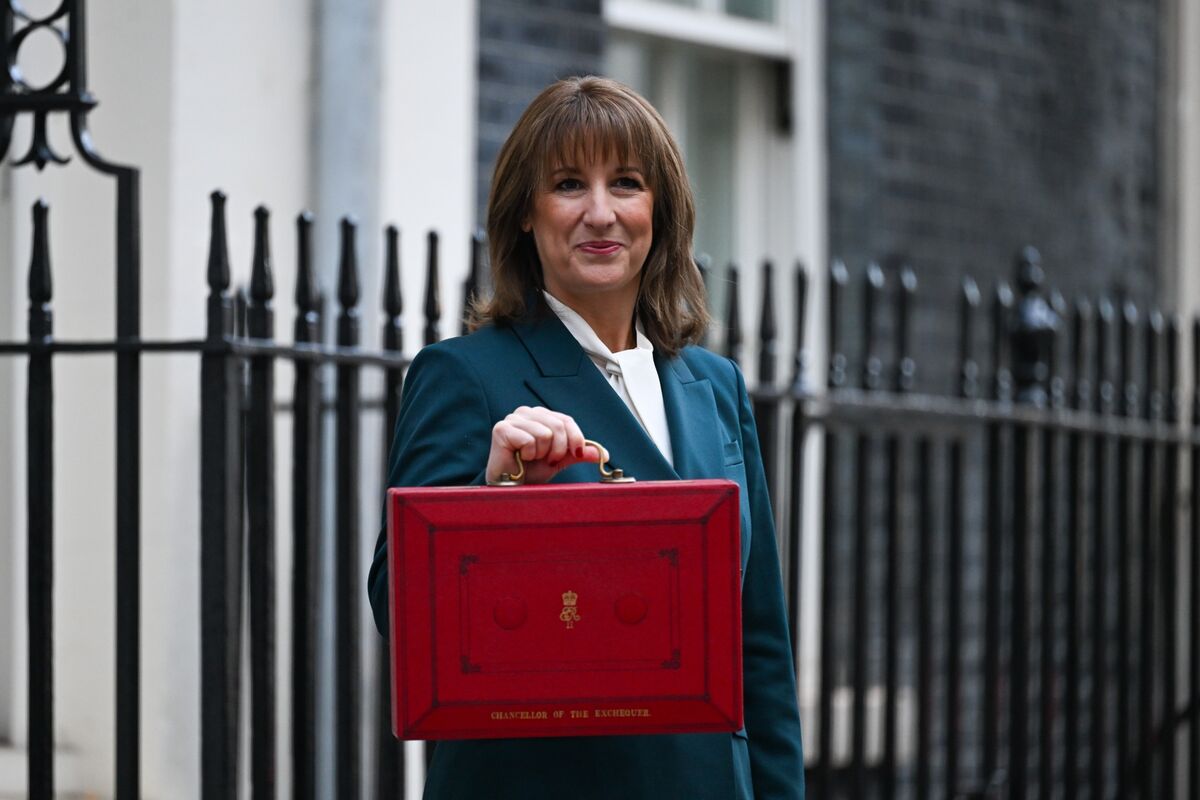
Rachel Reeves’ budget reportedly satisfied Labour backbenchers and prompted a largely benign response from bond markets, suggesting limited immediate market disruption. The briefing notes market calm but flags open questions about the wider public reaction, indicating political and sentiment developments to monitor rather than direct financial stress.
Market structure: A budget that placates backbenchers while leaving bond markets “benign” implies decreased risk premia for UK sovereign debt and a near-term supply/demand tilt supportive for gilts (10y yield down 5–20bp). Winners: long-duration assets (gilts, UK REITs, utilities) and sterling-sensitive carry; losers: parts of the domestic banking franchise if lower yields compress NIMs and export-heavy FTSE 100 if sterling rallies materially. Cross-asset: expect modest compression in USD/GBP volatility, slight tightening of credit spreads in UK IG corporates, and option skew to favour lower realised gilt volatility over 1–3 months.
Risk assessment: Tail risks include a political shock (snap election, fiscal reversal) that could blow out 10y gilt spreads +50–150bp within weeks and GBP down >4% in a short window. Immediate (days): flows around the announcement; short-term (weeks–months): positioning and BoE reaction; long-term (quarters–years): structural gilt supply and fiscal trajectory. Hidden dependency: BoE tolerance for fiscal-driven yield moves and foreign holder behaviour (non-linear if offshore holders reduce appetite). Key catalysts: upcoming CPI/GDP prints, BoE minutes, and UK opinion polls over next 30–90 days.
Trade implications: Tactical long gilts via futures or IGLT.L sized 2–3% AUM if 10y moves down >=10bp, target 1–3 months; hedge with 2–3bp stop via short gilt futures. Relative play: long FTSE 250 ETF (MIDD.L) vs short FTSE 100 ETF (VUKE.L) 1–2% AUM to capture domestic-recovery vs dollar exporters over 1–3 months. FX/options: buy a 3-month GBPUSD 1.2600–1.3000 call spread (size 1–2% notional) if polls and data consolidate fiscal credibility; alternatively buy short-dated payer swaptions as asymmetric gilt upside protection.
Contrarian angles: Consensus may underprice political tail-risk — public discontent could force larger fiscal pivots, reversing gilt rally; downside >50bp is plausible if polls swing. Conversely, market may under-estimate persistent demand from domestic real-money buyers; gilts could tighten another 10–30bp absent shocks. Historical parallels: post-policy benign reactions that later reversed on politics (e.g., UK 2015–2016) argue for option protection or staggered entries. Unintended consequence: cheaper gilts could reignite real estate froth, creating second-order risk to banks and housing stocks; consider short-bank/long-NIM-hedge if data confirm credit loosening.
AI-powered research, real-time alerts, and portfolio analytics for institutional investors.
Request DemoOverall Sentiment
neutral
Sentiment Score
0.00
