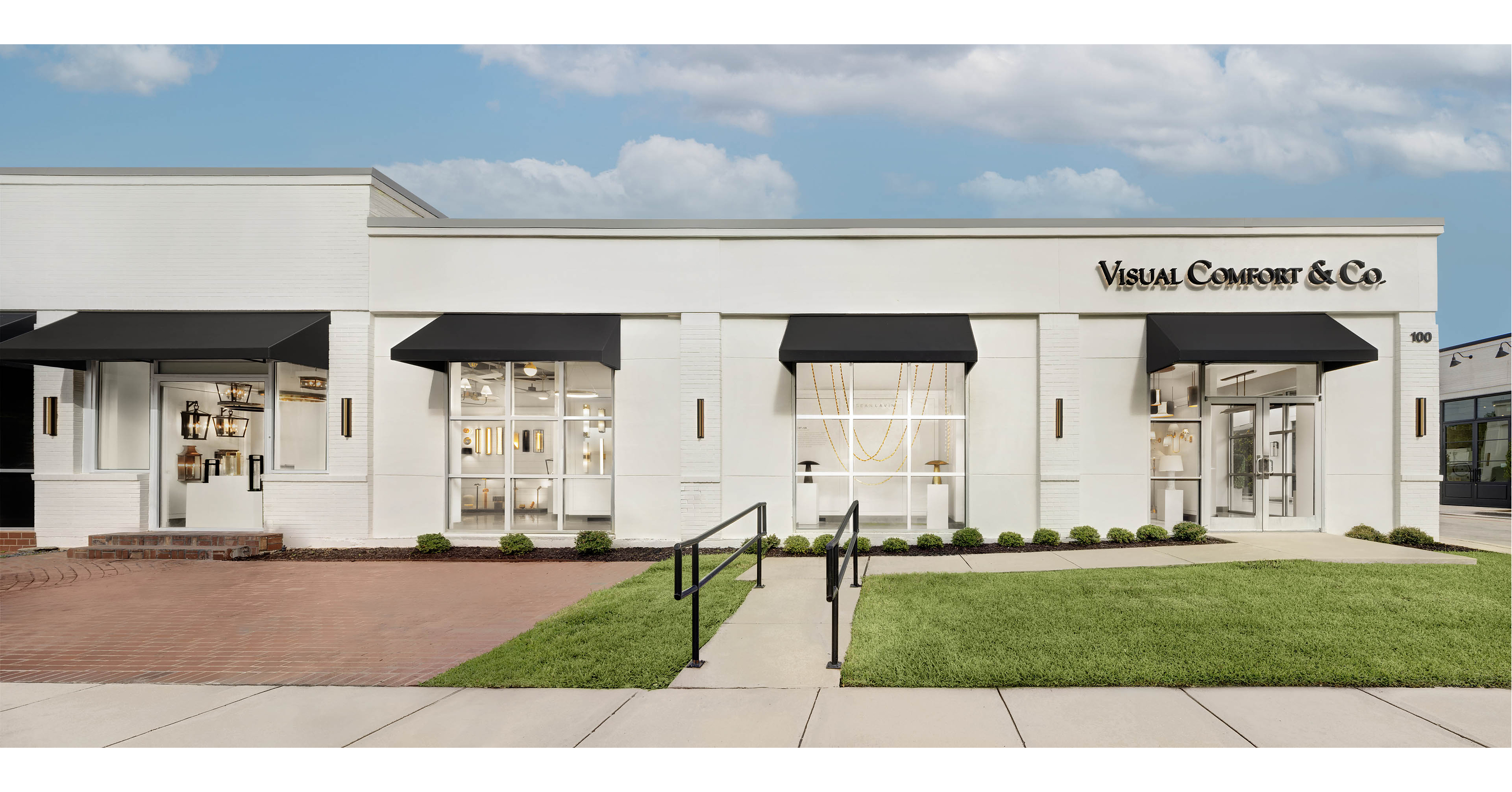
Visual Comfort & Co. opened its second Dallas showroom—a 4,400-square-foot space in Knox—showcasing designer lighting partners and an immersive demo area for layered lighting and motorized shades, including its new custom Roman Shade program. The firm is positioning the showroom to drive consultations (walk-ins or by appointment) and highlight smart shading and lighting controls. Overall, this is a retail expansion/product showcase with limited expected impact on public markets.
This reads more like a distribution/brand-defense move than an incremental demand inflection. In premium home categories, showrooms mainly matter because they lower the friction for designers to specify a brand early in the project cycle, which can protect pricing power and mix over time; the economic payoff is usually measured in share of wallet, not unit growth. The real beneficiaries are the adjacent high-end specifier ecosystem — interior designers, smart-shading installers, and premium renovation contractors — while smaller independent lighting boutiques face a slow leakage of consultative traffic.
The second-order effect is on channel economics: if the showroom format improves conversion on bundled lighting + shading + controls, it supports higher gross margin per project and a more resilient mix through a softer housing backdrop. That is the relevant read-through for Acuity Brands (AYI) and, to a lesser extent, premium home-improvement exposure such as HD/LOW, but only if broader remodeling demand is already improving. If rates stay sticky and affluent discretionary spend cools, the showroom becomes a marketing expense with limited near-term payback rather than a demand catalyst.
Near term, I would not expect the stock reaction to be durable unless management later quantifies showroom-led pipeline growth, attach rates, or margin uplift. Over 1-3 months, the key catalysts are housing turnover, remodeling data, and any evidence that smart shading/controls are growing faster than decorative lighting; over 6-18 months, the structural question is whether this expands Visual Comfort’s moat or just increases fixed cost. The thesis is falsified if premium remodel activity rolls over or if comparable-channel partners report slowing conversion and order growth despite the showroom expansion.
AI-powered research, real-time alerts, and portfolio analytics for institutional investors.
Request DemoOverall Sentiment
neutral
Sentiment Score
0.10
Ticker Sentiment
