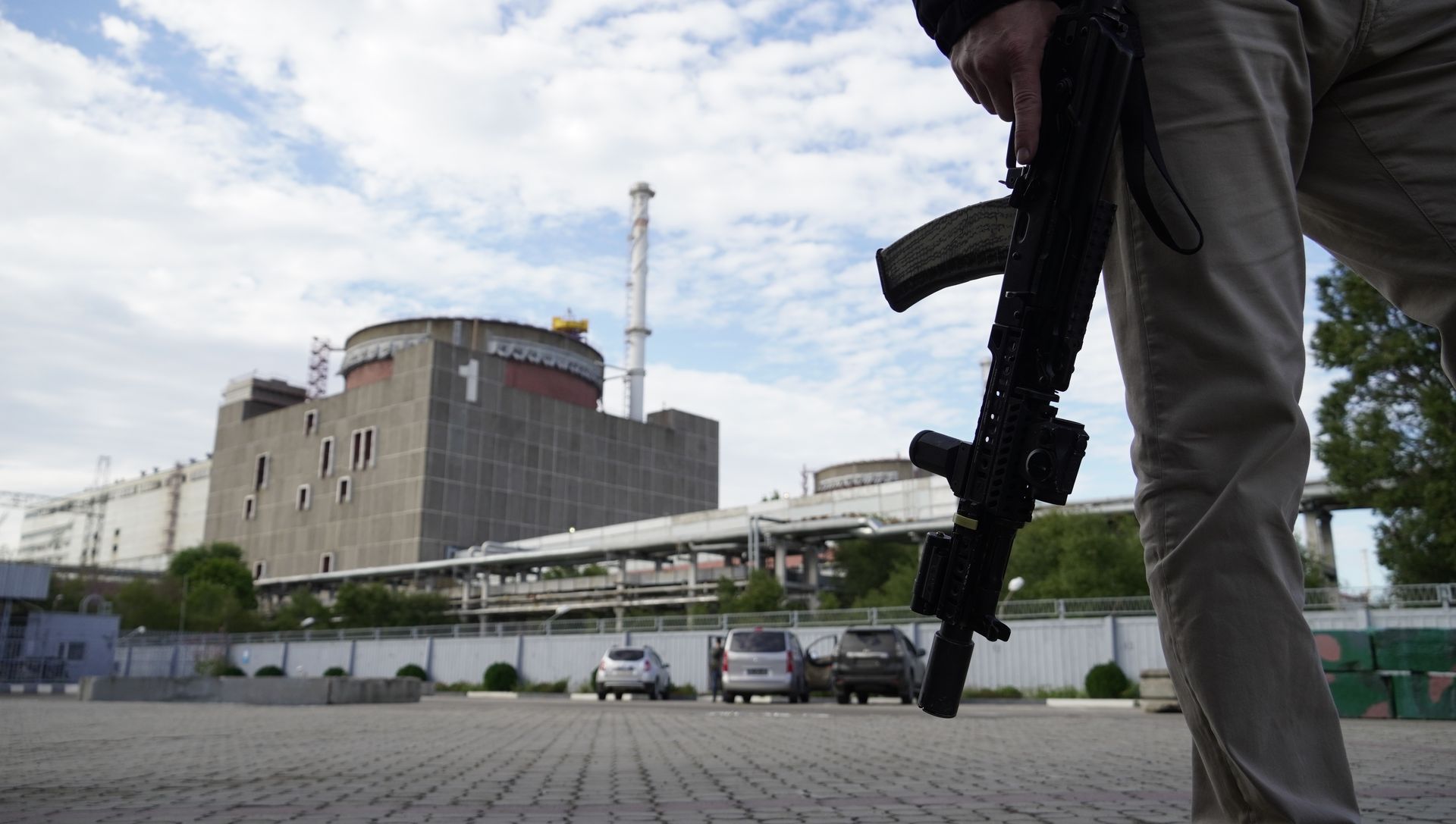
The Zaporizhzhia Nuclear Power Plant suffered a 12-hour communications blackout on May 27, the longest outage since Russia's invasion of Ukraine, amid reported military activity near Enerhodar. The IAEA said the loss of landline and internet links violated core wartime nuclear-safety principles and created a significant safety and security risk, though no direct damage was reported. The event raises geopolitical and nuclear-safety concerns that could affect broader regional risk sentiment.
This is less about the plant itself and more about the pricing of tail-risk in European assets. A prolonged loss of command-and-control at a nuclear site increases the probability of an event that is low frequency but nonlinear in consequences, which tends to widen volatility premia across regional power, utilities, and any asset perceived as exposed to a broader escalation path. The first-order market reaction is usually localized and fades; the second-order effect is a slow repricing of geopolitical risk into the forward curve for European gas, power, and industrial margins if traders begin to infer that critical infrastructure is no longer insulated from kinetic disruption.
The real beneficiaries are defense and counter-drone supply chains, plus any company with exposure to hardened communications, surveillance, and critical infrastructure security. If drone activity near nuclear assets continues, procurement decisions should accelerate over the next 1-3 quarters, favoring vendors that can sell modular detection, jamming, and perimeter protection systems with short deployment cycles. By contrast, utilities and heavy industrials in Eastern Europe face a rising insurance and operational continuity burden, even absent physical damage, because the market will start charging for blackout risk, emergency shutdown risk, and regulatory scrutiny.
The contrarian read is that the market may underprice the difference between sensational headlines and actual impairment: a communications outage is alarming but not yet a direct generation or containment failure. That means the trade is not to chase a broad risk-off move, but to express a selective, asymmetric view on recurring infrastructure vulnerability and defense capex. The key catalyst is recurrence: another blackout, confirmed interference with backup systems, or broader drone escalation would shift this from a one-off headline to a persistent risk regime within days, not months.
AI-powered research, real-time alerts, and portfolio analytics for institutional investors.
Request DemoOverall Sentiment
moderately negative
Sentiment Score
-0.45
