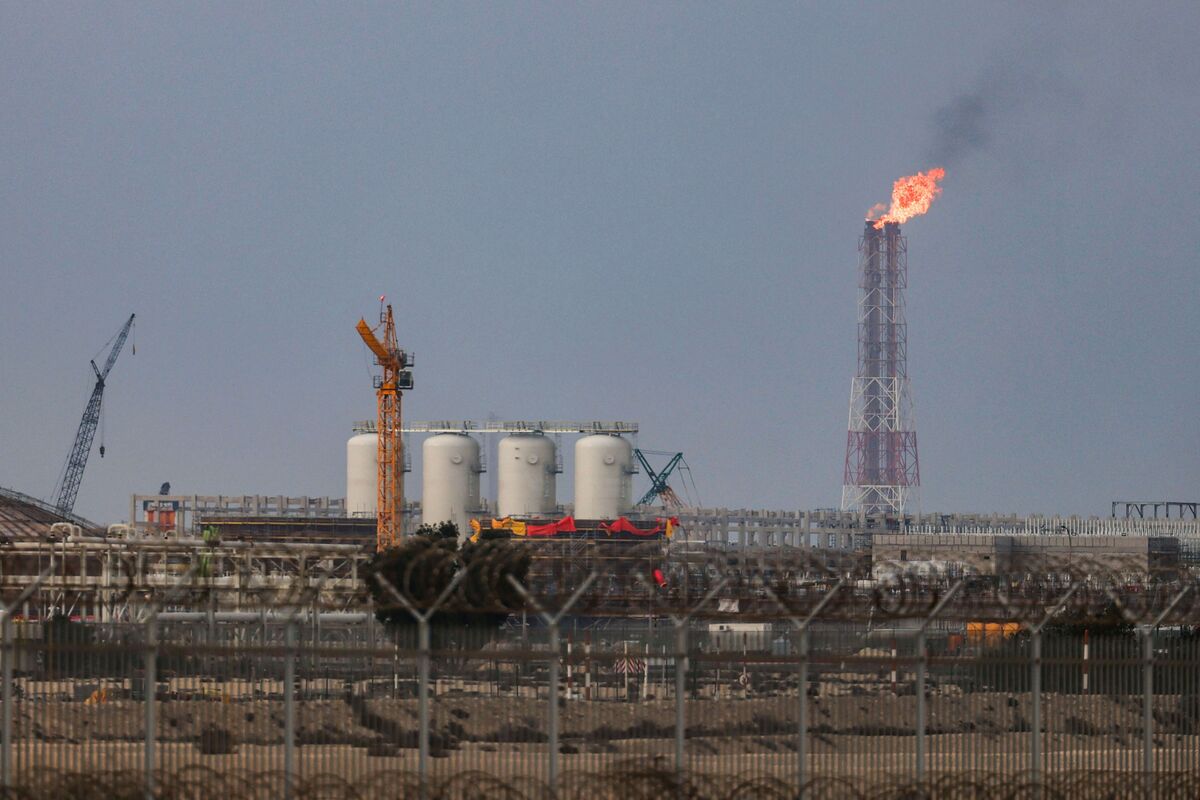
Escalating attacks in the Persian Gulf have pushed oil prices sharply higher and threaten long-term damage to major energy sites, raising the risk of supply disruptions. Expect risk-off flows, higher energy-driven inflationary pressure and increased volatility in energy equities, shipping and regional markets; monitor outages, insurance costs and potential supply-chain knock-on effects.
The market is pricing a near-term premium for concentrated route and node risk in global crude logistics; if chokepoint disruption removes ~0.5–2.0 mb/d of seaborne supply for more than 2–6 weeks, expect front-month Brent/WTI spreads to move into material backwardation and physical markets to bid for tank/shore storage. That dynamic benefits short-cycle US shale cashflows (fast restart and high margin capture) while pressuring refiners and midstream operators with fixed throughput obligations; freight and insurance costs rise immediately, adding $0.50–$2.00/bbl of delivered cost for long-haul barrels.
Second-order supply-chain impacts play out over months: higher premiums accelerate capital allocation to hardening export infrastructure, insurance-backed hedging solutions, and FSRU/LNG routing alternatives, which implies sustained capex for EPC/OSV/service names but delayed incremental barrels into market. Politico-diplomatic responses (SPR releases / coordinated exports substitution) can unwind spikes within 30–90 days, whereas physical damage to terminals or pipelines pushes recovery into multi-month timelines and forces structural re-contracting of freight and storage.
The consensus response is to buy broad energy beta; the smarter play is nuanced sizing and convexity. Use options and calendar spreads to monetize short-term supply scares while keeping optionality for reversion; pair US upstream exposure against regional service/refining names to capture relative margin capture rather than directional crude price. Position sizing should be limited to 2–5% of portfolio on single-event scenarios, with clear stop-losses tied to price and geopolitical de-escalation triggers.
AI-powered research, real-time alerts, and portfolio analytics for institutional investors.
Overall Sentiment
strongly negative
Sentiment Score
-0.60
