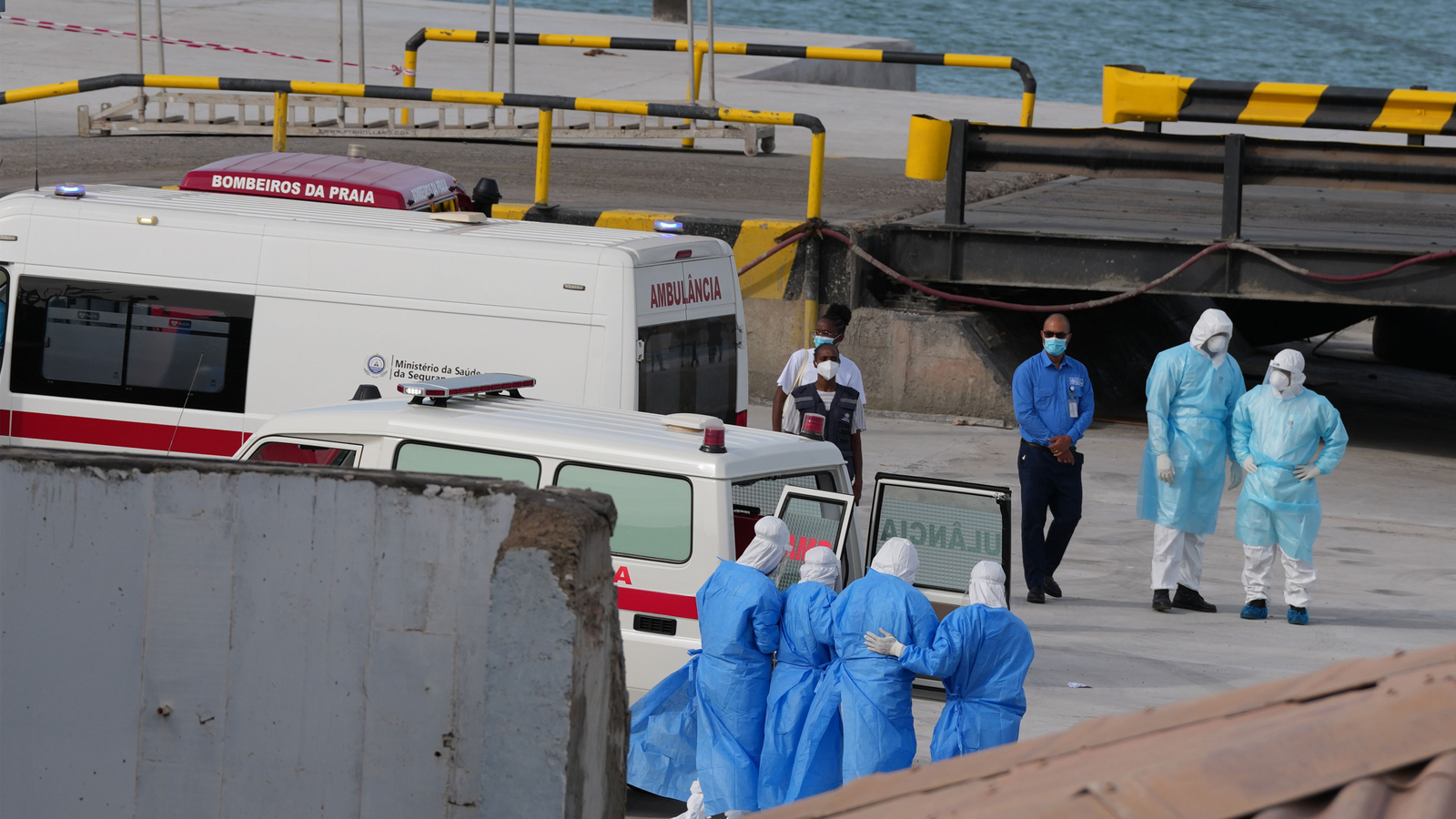
A hantavirus outbreak on the cruise ship MV Hondius has left 3 people dead, with 5 confirmed infections and additional suspected cases under investigation across multiple countries. Spain is preparing a tightly controlled evacuation in Tenerife for more than 140 passengers and crew, while the U.S. will repatriate 17 citizens and the U.K. will charter a flight for nearly two dozen nationals. The WHO says broader public risk remains low, but the incident is creating significant operational and public health disruption for the cruise and travel sectors.
The immediate market read is not about a single outbreak; it is about the reopening of a weakly priced tail-risk channel into travel and logistics. Cruise lines, port operators, and airline operators with high Canary Islands/Europe leisure exposure should see only a modest direct hit, but the second-order effect is a short-lived premium on “biosecurity readiness” and a slightly longer moderation in last-minute booking curves for expedition cruising and remote-destination itineraries. That matters most for niche operators with concentrated brand exposure, where even low-probability incidents can force more discounting and higher contingency costs.
The bigger consequence is operational: every repatriation, isolation, and contact-tracing step raises cost per passenger and reduces flexibility in the next 2-6 weeks, especially for small-ship cruise businesses that depend on dense itineraries and precise logistics. Insurers and reinsurers are the hidden winners if this sparks a broader review of medical evacuation and trip-cancellation pricing; even if public health risk remains contained, the event reinforces the underwriting case for higher premiums on remote/expedition routes and tighter policy exclusions around communicable disease. Expect management teams across leisure travel to emphasize screening and onboard medical capabilities in upcoming guidance, which can support ancillary spend but also pressure margins.
The contrarian view is that the selloff risk in broad travel is likely overstated because the event is identifiable, geographically contained, and low-transmission by design; that should limit contagion to adjacent names unless there is a new cluster from evacuees. The more interesting opportunity is in dispersion: the market may punish all cruise broadly when the real vulnerability is concentrated in expedition and remote-itinerary operators rather than mass-market leisure. Time horizon is days to weeks for headline beta, but 1-3 months for booking and insurance pricing effects if another symptomatic case emerges from the tracing pool.
AI-powered research, real-time alerts, and portfolio analytics for institutional investors.
Request DemoOverall Sentiment
moderately negative
Sentiment Score
-0.35
