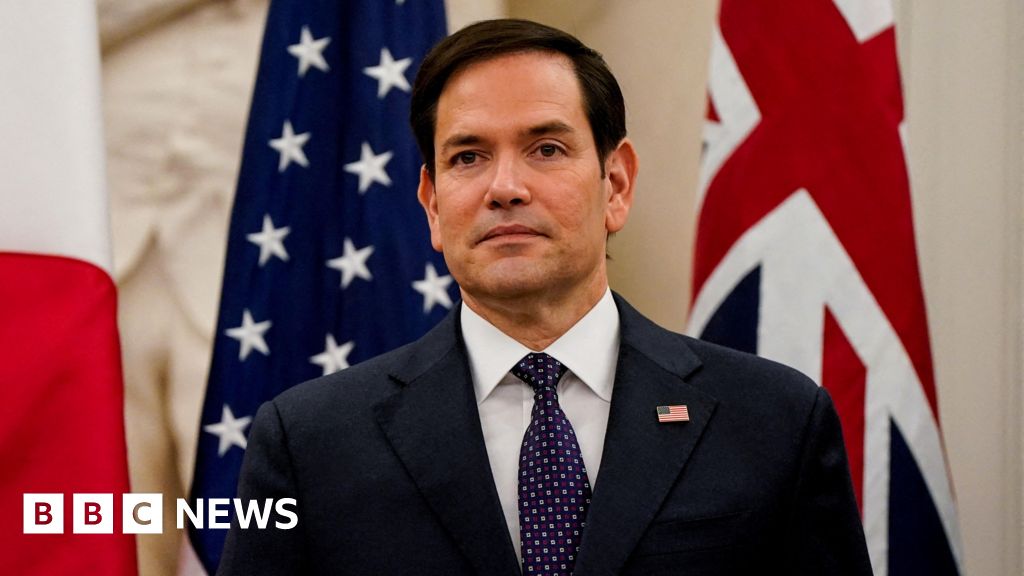
The article centers on a global energy shock after shipments through the Strait of Hormuz virtually ground to a halt, leaving India—an economy that imports more than 80% of its energy needs—particularly exposed. Rubio’s visit to India is aimed at boosting US energy sales and advancing broader trade talks, with US-India goods trade deficits at $58.2bn in 2025 and tariffs already reduced from 50% to 18% and then 10%. The visit also carries major geopolitical implications around Iran, Russia oil waivers, Pakistan, and the Quad, making it a market-relevant event even though the direct financial impact is broad rather than company-specific.
The immediate market read-through is not about a single bilateral trade deal; it is about the re-pricing of Asia’s import stack under persistent Middle East routing risk. If Hormuz remains impaired for weeks rather than days, the marginal winner is not just US crude and LNG exporters, but also freight, storage, and middle-mile logistics providers that gain from longer voyage times, inventory buffering, and dislocated delivery schedules. The loser set is broader than India: any economy with high import dependence and limited strategic storage gets a terms-of-trade hit, while downstream users face margin compression before end-demand destruction shows up.
For India, the key second-order effect is that energy diversification becomes a macro hedge, not a pure procurement choice. That should support longer-dated commitments to US-linked supply, but the route economics mean only a portion of the displaced barrels can be replaced quickly; in the near term, refiners will likely optimize on feedstock flexibility and product mix rather than chase the headline “swap to US energy” narrative. The bigger operational implication is higher working-capital needs and greater FX sensitivity, which matters for financials and for import-heavy industrials across Asia.
HSBC is modestly positive because it is one of the few global banks with enough India/Asia connectivity to benefit from trade re-wiring, fee income from financing flows, and potential market-share gains as clients re-document supply chains and hedge currency/commodity exposure. The contrarian risk is that the market may be overestimating how quickly politics convert into physical volumes: energy cooperation can improve rhetorically while actual cargoes lag by quarters. If diplomatic friction eases or a ceasefire meaningfully restores routing reliability, the current risk premium in shipping, energy, and EM FX could unwind fast, especially in names that have already re-rated on the conflict headline.
AI-powered research, real-time alerts, and portfolio analytics for institutional investors.
Request DemoOverall Sentiment
mildly negative
Sentiment Score
-0.25
Ticker Sentiment
