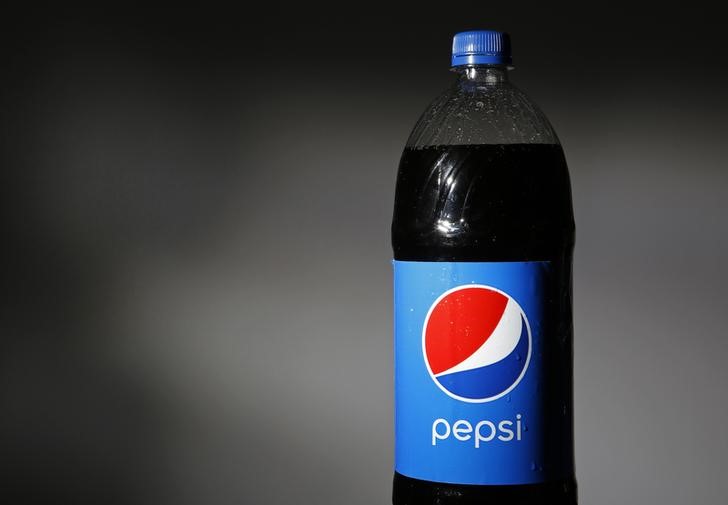
Piper Sandler reiterated an Overweight rating on PepsiCo with a $181 price target versus the current $157.67, implying meaningful upside. The firm said inflationary pressures are growing but manageable, 2026 plans are on track or slightly ahead, and organic growth should improve through 2026. PepsiCo also beat Q1 2026 expectations with EPS of $1.61 versus $1.55 consensus and revenue of $19.44 billion versus $18.94 billion, while maintaining its long dividend streak and 3.61% yield.
PEP looks less like a near-term turnaround and more like a slow re-rating story where the market may be underappreciating the durability of pricing plus mix improvement. The key second-order effect is that a company with this kind of margin structure and dividend profile can absorb inflation without needing to chase volume at any cost, which often lets it reinvest selectively while weaker branded peers are forced into margin defense. That creates a widening gap between premium incumbents with scale and subscale food-and-beverage operators that lack pricing power.
The more interesting catalyst is not the quarter itself but whether improving organic growth can persist into the next two reporting cycles. If cleaner-label and formulation changes are really pulling back lapsed consumers, that is a signal of demand elasticity improving at the same time the company has preserved pricing, which is unusual and should support multiple expansion over the next 6-12 months. The risk is that this becomes a narrative trap: if volume gains are mostly pantry loading or category share recapture from temporary promotions, the market will fade the story quickly once the easy comparisons roll off.
From a portfolio perspective, the setup favors relative-value rather than outright momentum chasing. The most attractive expression is long PEP versus lower-quality packaged-food names with weaker pricing power and less room to reinvest, because the gap in resilience should show up first in gross margin stability over the next two earnings cycles. The contrarian risk is valuation discipline: if rates stay elevated and defensives remain crowded, PEP may remain a good business without becoming a better stock unless the company can translate organic growth into visible EPS leverage by mid-2026.
AI-powered research, real-time alerts, and portfolio analytics for institutional investors.
Request DemoOverall Sentiment
mildly positive
Sentiment Score
0.45
Ticker Sentiment
