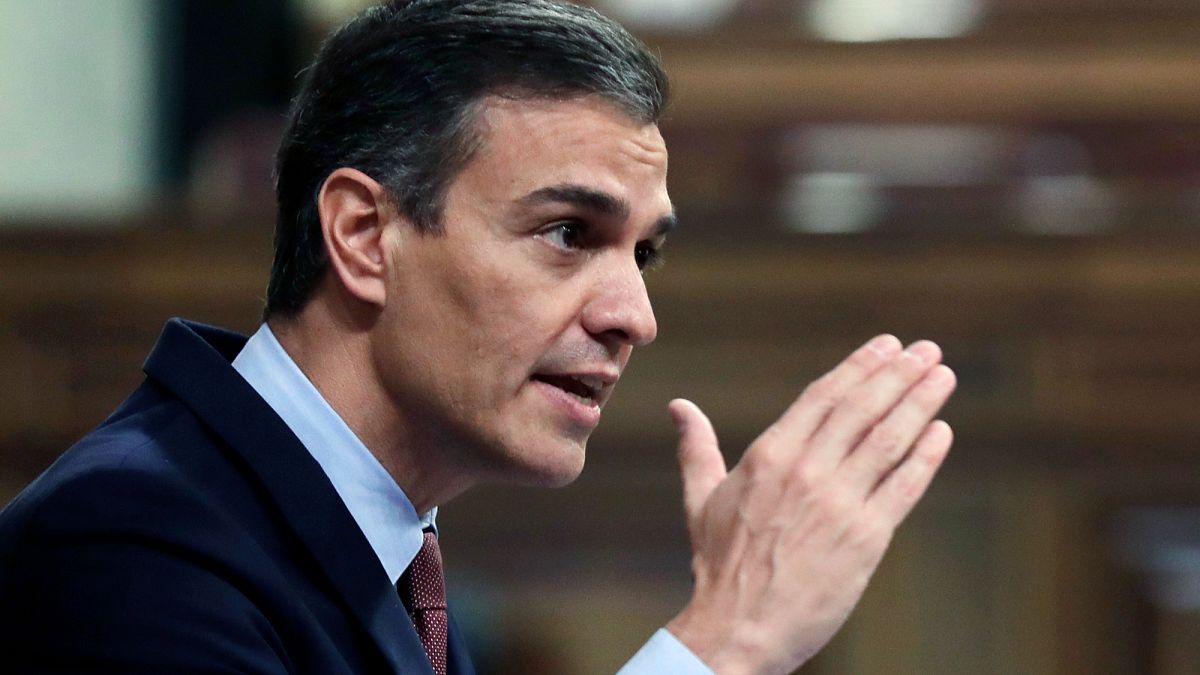
Spanish Prime Minister Pedro Sánchez publicly defied President Trump over US requests to use Spanish bases (Rota and Moron) for strikes on Iran, restricting use to humanitarian assistance and prompting US aircraft withdrawals and Trump threats of a trade embargo. The standoff raises near-term risks of a trade dispute that could hit Spanish exporters and companies operating in the US, while also threatening intelligence-sharing and NATO cooperation; politically, Sánchez appears to be leveraging the confrontation to energize his progressive base ahead of the 2027 election (and a possible snap vote). Investors should monitor escalation toward formal US trade measures, retaliatory actions, and any concrete restrictions on defence or intelligence cooperation that could materially affect Spanish corporates and Euro-US security-dependent sectors.
Market structure: Spain-first political confrontation raises idiosyncratic downside for Spanish equities, exporters and tourism names while boosting demand for European defence and safe-haven assets. Direct losers: Spain-centric equity indices/ETFs (EWP), travel operators (MEL.MC), consumer retail exposed to US market; winners: EU defence primes (AIR.PA, SAF.PA, HO.PA), gold (GLD) and oil (WTI/Brent) on Iran escalation. FX and rates: expect EUR weakness and widening Spain-giant-core spreads; Spain 10y could cheapen by 10–30bp in a severe risk-off move.
Risk assessment: Tail risks include a US unilateral trade embargo (low-prob ~5–10% over 6–12 months) or curtailed intelligence sharing that raises military/contractor counterparty risk. Immediate (days): volatility spike and FX move; short-term (weeks–months): trade/tariff skirmishes and corporate guidance hits; long-term (quarters–years): re-routing of EU defence procurement and supply-chain reconfiguration. Hidden dependencies: trade threats may trigger US political blowback only if EU solidarity weakens; sanctions are binary and would rapidly reprice credit and CDS.
Trade implications: Near-term hedge Spain risk with 60–90 day puts on EWP sized 1–3% of portfolio; rotate proceeds into long European defence names (AIR.PA/SAF.PA) and commodity hedges (GLD, Brent). Use USD exposure (UUP) as tactical hedge against EUR weakness. Monitor corporate-specific revenue exposures (Inditex ITX.MC, IBE) for earnings-guide downgrades within 30–90 days.
Contrarian angle: Consensus assumes sustained Spain-US rupture; that is likely overdone — EU legal/process constraints make a full embargo unlikely. If EWP/Spanish credits fall >10–15% on rhetoric alone, that creates a tactical long entry: mean-reversion probable within 3–6 months once EU diplomacy tempers rhetoric. Historical parallel: 2003 political shocks created 6–12 month sell-offs then recoveries when trade flows normalized.
AI-powered research, real-time alerts, and portfolio analytics for institutional investors.
Request TrialOverall Sentiment
moderately negative
Sentiment Score
-0.45
