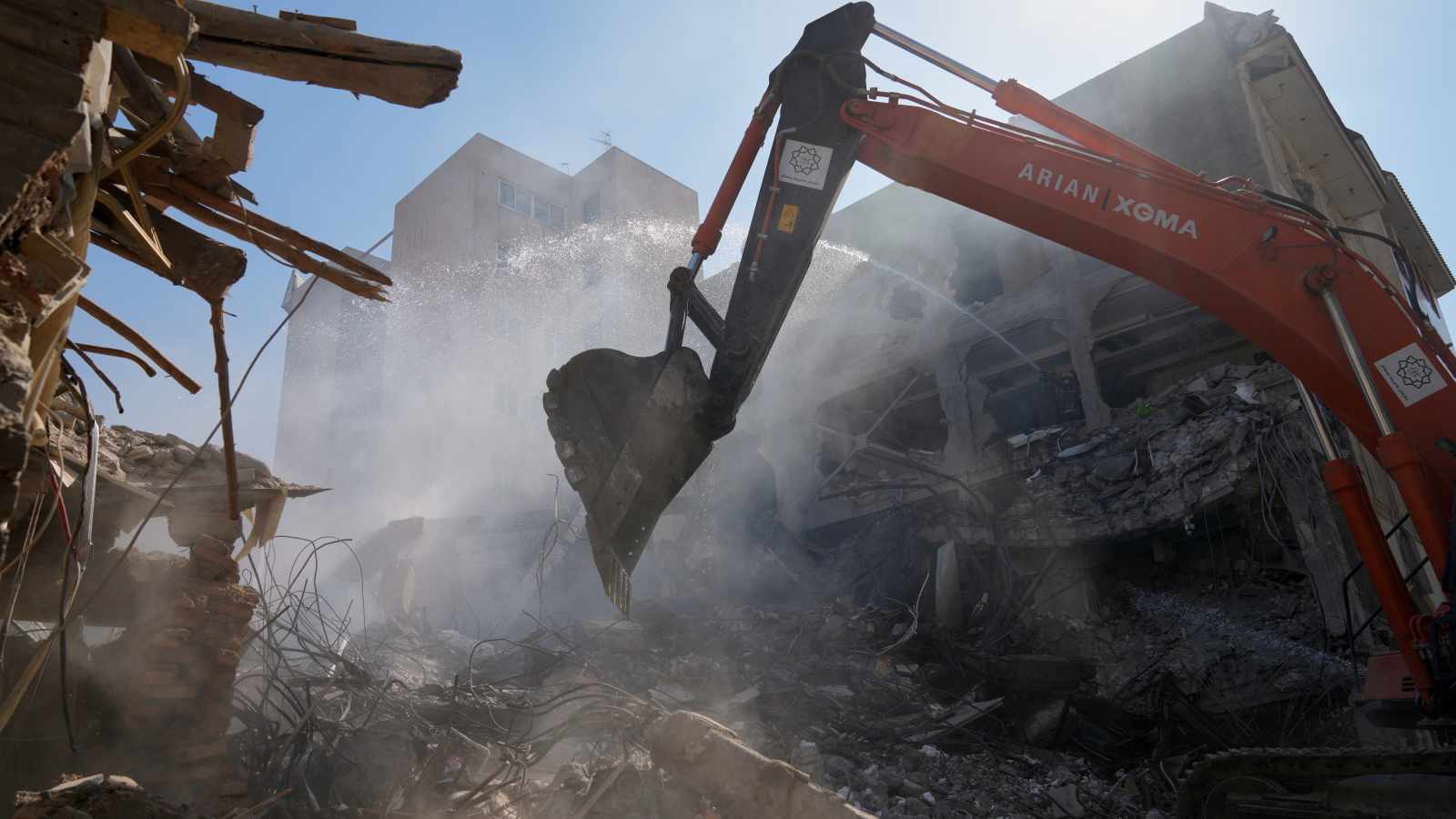
The Iran war is reportedly costing $2bn per day, with the UN saying that just over a fortnight of that spending could have funded a $23bn humanitarian plan saving 87 million lives. Tom Fletcher warned that food and fuel inflation is nearing 20% and that the conflict could push more people in sub-Saharan Africa and east Africa into poverty. The World Bank also said India’s growth outlook has been hit, with FY27 GDP growth projected at 6.6% versus 7.2% absent the conflict, assuming oil and gas disruption lasts through end-2026.
The immediate market read-through is not “war = higher oil” in isolation, but a prolonged stagflation impulse into the most rate-sensitive and import-dependent parts of the global economy. The second-order effect is that higher energy and food costs tax discretionary demand twice: once through household purchasing power and again through higher working-capital needs for corporates, which is especially toxic for emerging-market consumers, airlines, chemicals, and retailers with thin margins. That makes the macro pain broader than the Gulf conflict itself; it bleeds into inflation expectations, local currency pressure, and sovereign funding stress across sub-Saharan Africa and parts of Asia.
The most asymmetric beneficiaries are not the obvious oil majors, but firms with pricing power and low energy intensity that can pass through costs faster than peers. Defense and cybersecurity also benefit on a lag as governments reallocate budgets toward hard security, but that trade is more medium-term than the commodity spike. Meanwhile, the humanitarian funding squeeze is a bearish signal for donor-driven EM growth: less concessional capital means more fiscal tightening, weaker import coverage, and a higher probability of balance-of-payments stress in countries already running commodity deficits.
The key catalyst to watch is duration. If the disruption persists into year-end, the inflation impulse becomes sticky and starts forcing central banks to choose between growth and credibility; if supply normalizes quickly, the trade is much less durable and the initial energy bid fades. The contrarian risk is that the market may already be pricing a long-dated supply shock while underestimating demand destruction, which historically kicks in with a lag of 1-3 quarters as consumers and industrial users adjust behavior.
The cleanest setup is to express the view as a relative-value macro trade rather than outright index shorting: long energy and defense versus short EM consumer/import baskets, with FX hedges layered in for high-deficit countries. The other attractive expression is long quality, low-energy-intensity U.S. large caps versus cyclical and airline exposure, because margins are likely to compress before top-line growth fully responds. For the humanitarian/fiscal angle, sovereign stress is a slow-burn catalyst, so the best risk/reward comes from looking 3-6 months out rather than trying to fade the first headline move.
AI-powered research, real-time alerts, and portfolio analytics for institutional investors.
Request DemoOverall Sentiment
strongly negative
Sentiment Score
-0.72
