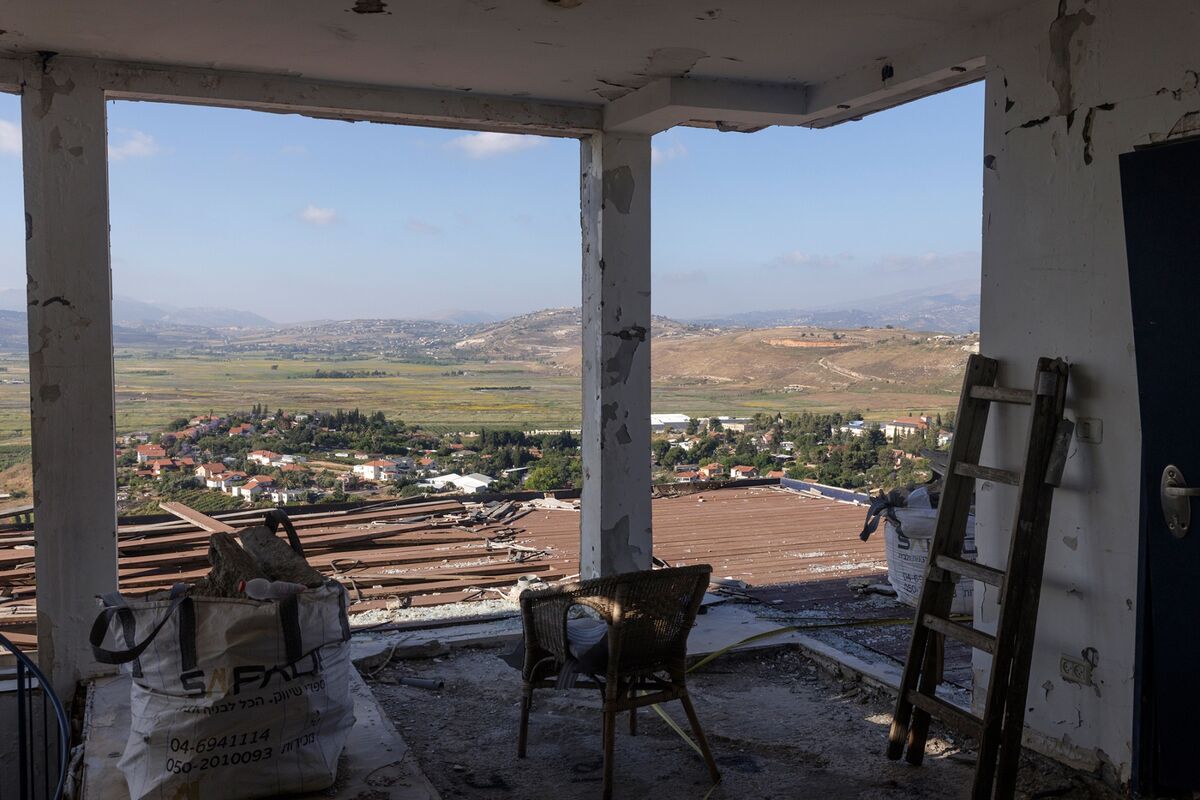
Israel’s northern border remains a major flashpoint as Lebanon-related negotiations and Trump’s Iran deal deepen political backlash in Israel. Mayor David Azoulay said Israel’s policy has been driven by Trump for the past four months, underscoring growing frustration with both Washington and Netanyahu over the unresolved front. The article points to elevated geopolitical risk with potential implications for regional security and defense posture.
The market implication is less about a formal diplomatic headline than about a widening policy discount on Israel’s northern security perimeter. If the Lebanon border is effectively subordinated to a broader US-Iran arrangement, the second-order effect is a higher probability that displaced civilians and local commerce remain stranded, which keeps reconstruction, municipal budgets, and private investment in the north frozen for longer than consensus expects. That is a slow-burn drag on domestic confidence and a political headwind for the government, especially if the security arrangement is perceived as externalizing costs onto border communities.
For defense and infrastructure, the key issue is timing: a ceasefire-like framework can suppress near-term escalation risk without removing the need for hardening, surveillance, and rapid-response spending. That means near-dated relief rallies in Israeli defense equities may fade if investors assume “peace dividend” too quickly; the more durable winners are companies tied to border fortification, UAVs, sensors, communications, and emergency infrastructure rather than pure munitions volume. Conversely, contractors exposed to delayed rebuilding in northern municipalities face a longer payment cycle and greater execution risk.
The contrarian read is that this is not a clean de-escalation trade; it may actually institutionalize a lower-grade conflict environment. That outcome is bearish for regional capex and consumer activity, but still constructive for recurring defense budgets and for suppliers with service/maintenance revenue streams. The biggest risk to the bearish local-growth view is a sharper-than-expected settlement that enables rapid return of residents and unlocks reconstruction financing; that would likely matter over a 3-12 month horizon, not days.
AI-powered research, real-time alerts, and portfolio analytics for institutional investors.
Request DemoOverall Sentiment
strongly negative
Sentiment Score
-0.50
