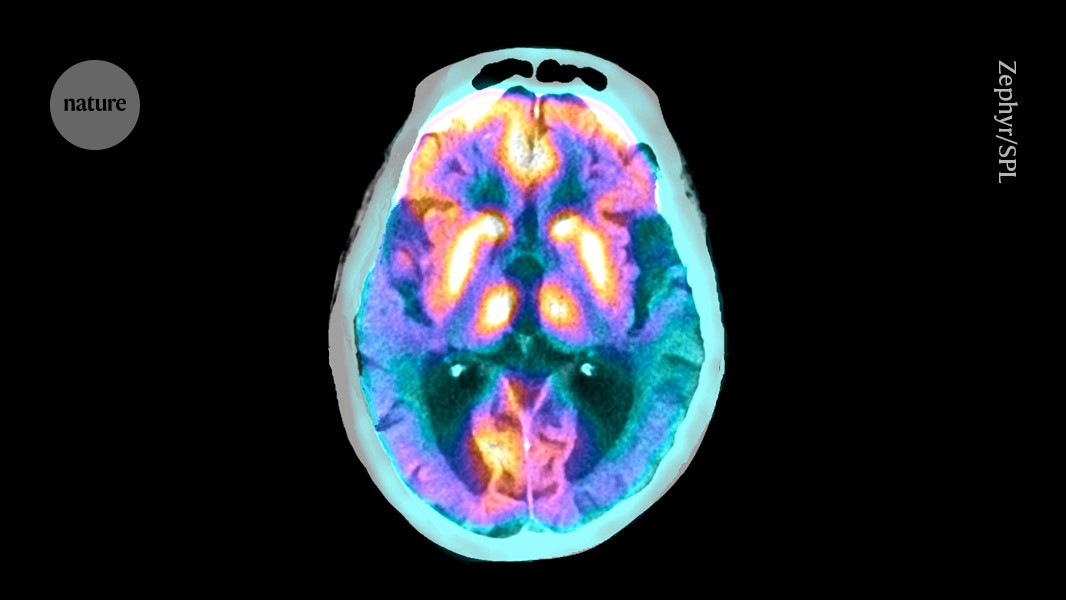
Researchers report that tanycytes — specialized cells lining the third ventricle — actively transport tau proteins from cerebrospinal fluid into the bloodstream, and that impaired tanycytes lead to tau accumulation in mouse brains and reduced blood tau. In a human sample comparison (86 people with Alzheimer’s disease versus 91 without) investigators found less transfer of total tau and disease-associated p-tau181 into blood in Alzheimer’s patients, and postmortem tissue showed fragmented/destroyed tanycytes in affected individuals; the findings identify a novel clearance pathway and a potential target for diagnostics or therapies in Alzheimer’s disease.
Market structure: The primary near-term winners are diagnostics and biomarker-platform providers (blood-based p-tau assays) and large pharmas with in-house diagnostics capability; expect demand for ultra‑sensitive assay kits and lab services to rise 20–50% in trials over 12–24 months. Pure-play small-cap tau therapeutics that rely solely on neuronal clearance without a diagnostic pathway face commoditization risk as blood tests could reprice patient selection and reduce reliance on expensive PET imaging. PET imaging providers and high-cost hospital-based diagnostics could see gradual volume decline (5–15% over 2–4 years).
Risk assessment: Tail risks include non-replication of the tanycyte mechanism, safety barriers to targeting tanycytes, or slow reimbursement — each could erase >50% of expected upside for diagnostics names. Immediate market reaction is likely muted (days); meaningful moves arrive on replication studies and company assay launches (weeks–6 months) and on payer decisions/clinical adoption (12–36 months). Hidden dependencies: regulatory lab validation, CPT/Medicare coverage, and analytical sensitivity (LoD) thresholds that determine commercial viability.
Trade implications: Tactical idea — favor diagnostics exposure (QTRX) and diversified pharma with diagnostics (RHHBY) while underweight early-stage tau-only biotechs and the biotech ETF (IBB) as a hedge. Use options to express asymmetric risk: 6–12 month call spreads on QTRX to limit downside; size long positions 1–3% AUM per idea and cap loss at 25% per position. Rotate 3–5% from phase‑I/II tau therapeutics into diagnostics/large-cap pharma over next 3–9 months as clinical programs reprice.
Contrarian angles: Consensus will underweight the reimbursement and replication risk; conversely the market likely underestimates long-term value of scalable blood assays to expand addressable population by >3x vs PET. Historical parallel: amyloid PET adoption was slow until reimbursement and guideline inclusion — similar gating events will determine winners. Unintended consequence: a premature rush into tanycyte-targeting therapeutics could produce high-profile failures that re-rate small caps; maintain catalyst-based sleeves and strict stop-losses.
AI-powered research, real-time alerts, and portfolio analytics for institutional investors.
Request TrialOverall Sentiment
neutral
Sentiment Score
0.00
