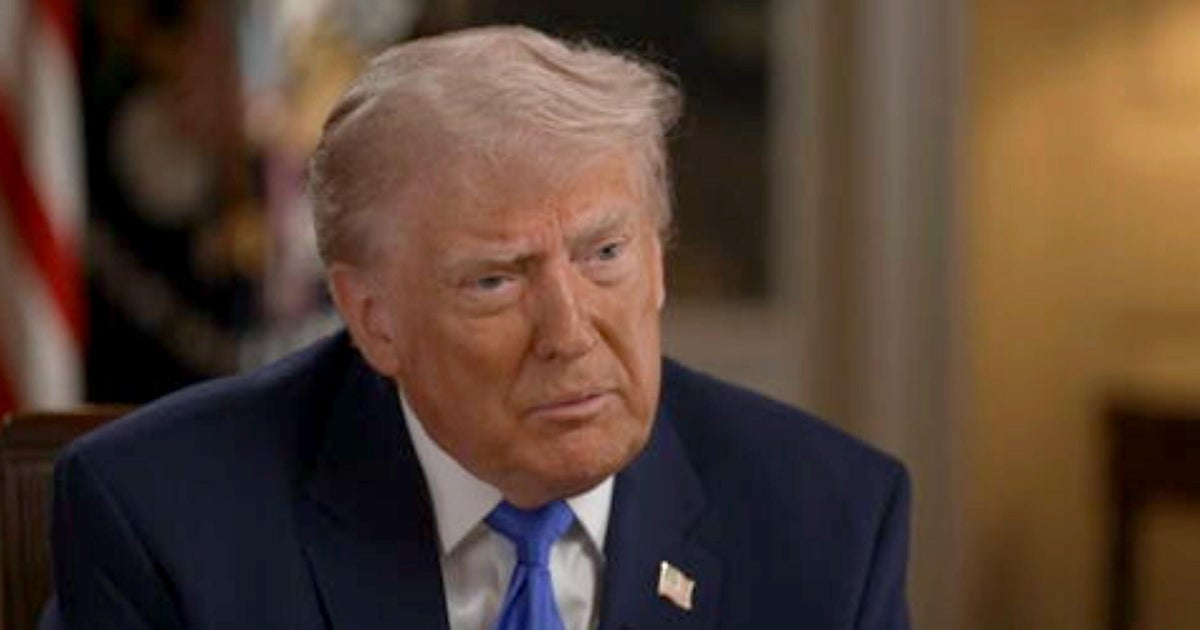
President Trump discussed a violent disruption at the White House Correspondents' Dinner and the suspect's alleged manifesto, calling the suspect a "sick person" and saying he was "not a pedophile" or "rapist." He said he was not worried during the incident, praised the first lady's composure, and urged the dinner be rescheduled within 30 days with stronger security. The article is primarily political and event-driven, with limited direct market relevance.
The market-relevant effect here is not the isolated security incident; it is the increased probability of a sustained elevation in political-security spend around major public events. That is a slow-burn revenue tailwind for perimeter security, screening, surveillance, and event-protection vendors, with the largest benefit accruing to firms selling consumables and recurring service contracts rather than one-off hardware.
The second-order loser is the media/event production ecosystem: higher security friction raises the cost of staging live political entertainment, increases insurance premiums, and may reduce talent willingness to appear at high-visibility gatherings. Over a 3-12 month horizon, that can pressure margins for broadcasters, venue operators, and promoters that rely on dense, live audiences and low-incident assumptions.
The bigger contrarian point is that headline-driven political violence often causes a short-lived overreaction in security names, then a multi-quarter underreaction to budget cycles. If the event is treated as an idiosyncratic one-off, investors will miss procurement follow-through from federal, state, and private buyers once risk committees update protocols. The best risk/reward is usually in names with exposure to both government and commercial security refresh cycles, not pure headline-sensitive proxies.
The legal angle also matters: any broadened investigation or copycat-related enforcement can extend the news cycle, but it does not automatically translate into durable policy change unless there is bipartisan framing around venue security or threat assessment. That makes the trade asymmetric only if you enter on weakness before procurement guidance is revised; once budgets are formally announced, the easy money is usually gone.
AI-powered research, real-time alerts, and portfolio analytics for institutional investors.
Request DemoOverall Sentiment
moderately negative
Sentiment Score
-0.20
