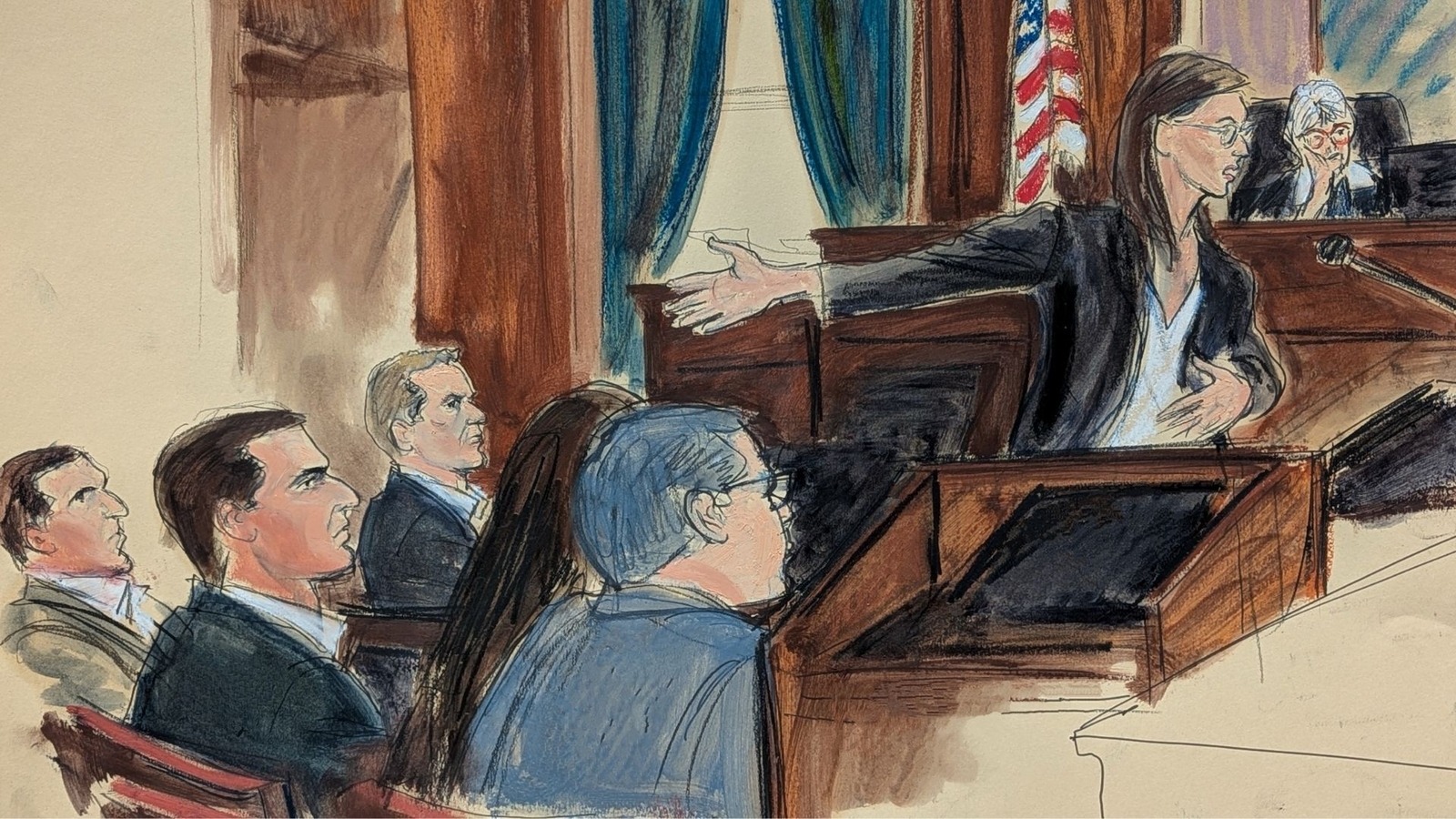
Twins Oren and Alon Alexander (38) and their brother Tal (39) are on trial in Manhattan federal court on allegations including drugging, rape and sex trafficking, with a jury beginning deliberations after marathon closing arguments. Defense counsel deny the charges and dispute the prosecution's use of a blog purportedly found on a hard drive in Tal Alexander's apartment, while prosecutors point to testimony from 11 women and a recent civil suit by TV broker Tracy Tutor; outcomes will chiefly affect reputations and parallel civil exposure rather than broader market dynamics.
Market structure: This is a localized reputational shock concentrated in high-end NYC/Hamptons real-estate brokering, nightlife, and reality-TV talent pools; winners are litigation-adjacent services (litigation finance, E&O insurers) and larger, diversified brokerages that can market compliance as a service. Transaction-volume impact is likely <1-2% nationally but could be 5-10% on high-end listings in affected micro-markets for 1-2 quarters as sellers pause and legal contingencies surface. Pricing power shifts toward platforms that can credibly certify agent conduct (large franchisors, MLS-adjacent tech).
Risk assessment: Tail risks include rapid proliferation of civil suits and regulatory probes raising E&O and EPL insurance claims by 20-40% for exposed brokerages within 6-12 months, and celebrity-driven media cycles that amplify damages to brand-adjacent firms. Immediate risks (days-weeks) are headlines and new filings; short-term (weeks-months) is civil suit pipeline and insurer reserve adjustments; long-term (quarters) is structural change in brokerage compliance and hiring costs. Hidden dependencies: mortgage lenders, title insurers, and luxury REITs could see secondary volume hits if buyer sentiment in ultra-luxury cohorts weakens. Catalysts: new civil complaints, FINRA/NYSDFS inquiries, or celebrity lawsuits within 30-90 days.
Trade implications: Favor small, tactical longs in litigation-finance exposure (Burford-type names) and selective underweight/short of consumer-facing luxury brokerages that trade on branding risk. Use options to hedge reputational gamma—buy 3-month put spreads on COMP (Compass) sized at 0.5-1.0% of portfolio to limit downside. Consider pair trade long ANY (Anywhere Real Estate, 1%) vs short COMP (1%) over 6-12 months to capture franchise-share rotation if consumers favor legacy platforms.
AI-powered research, real-time alerts, and portfolio analytics for institutional investors.
Request TrialOverall Sentiment
mildly negative
Sentiment Score
-0.25
Contrarian angle: The market will over-index on headlines but underprice persistent regulatory cost increases; if within 90 days there are fewer than two new high-profile civil filings, short-volatility on associated tickers (COMP) via covered-call overlays is attractive. Historical parallels (celebrity/legal storms) show 3-6 month mean reversion; downside is a sustained regulatory clamp that raises operating costs >5% annualized, which would make short positions painful beyond that horizon.
