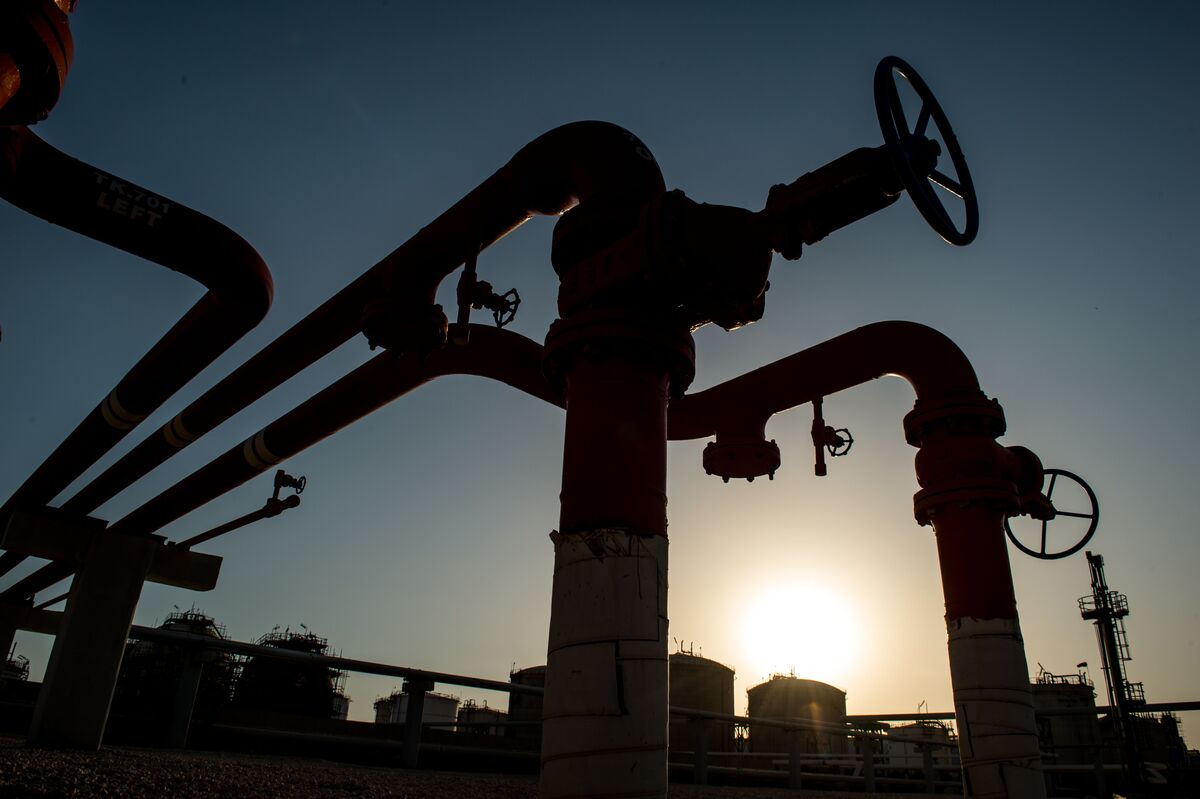
Iraq has resumed oil exports from its northern Kurdistan region after a two-year halt, with operations commencing Saturday morning at a high pace. This reintroduction of supply occurs as the global oil market is widely anticipated to move into a significant surplus, potentially impacting crude prices.
Iraq has resumed oil exports from its northern Kurdistan region after a more than two-year halt, with operations commencing at a 'high pace' and without technical issues. This development introduces a new stream of supply to the global market at a critical time, as it coincides with broad expectations of a forthcoming heavy surplus in oil. The re-entry of this volume is a bearish catalyst for crude prices, as it will likely exacerbate the anticipated supply-demand imbalance. This outlook is reflected in the explicitly negative sentiment (-0.4) registered for oil-tracking ETFs such as USO and BNO, indicating that market participants are pricing in the downward pressure from the additional supply, despite the neutral tone of the announcement itself.
AI-powered research, real-time alerts, and portfolio analytics for institutional investors.
Request DemoOverall Sentiment
mildly positive
Sentiment Score
0.20
Ticker Sentiment
