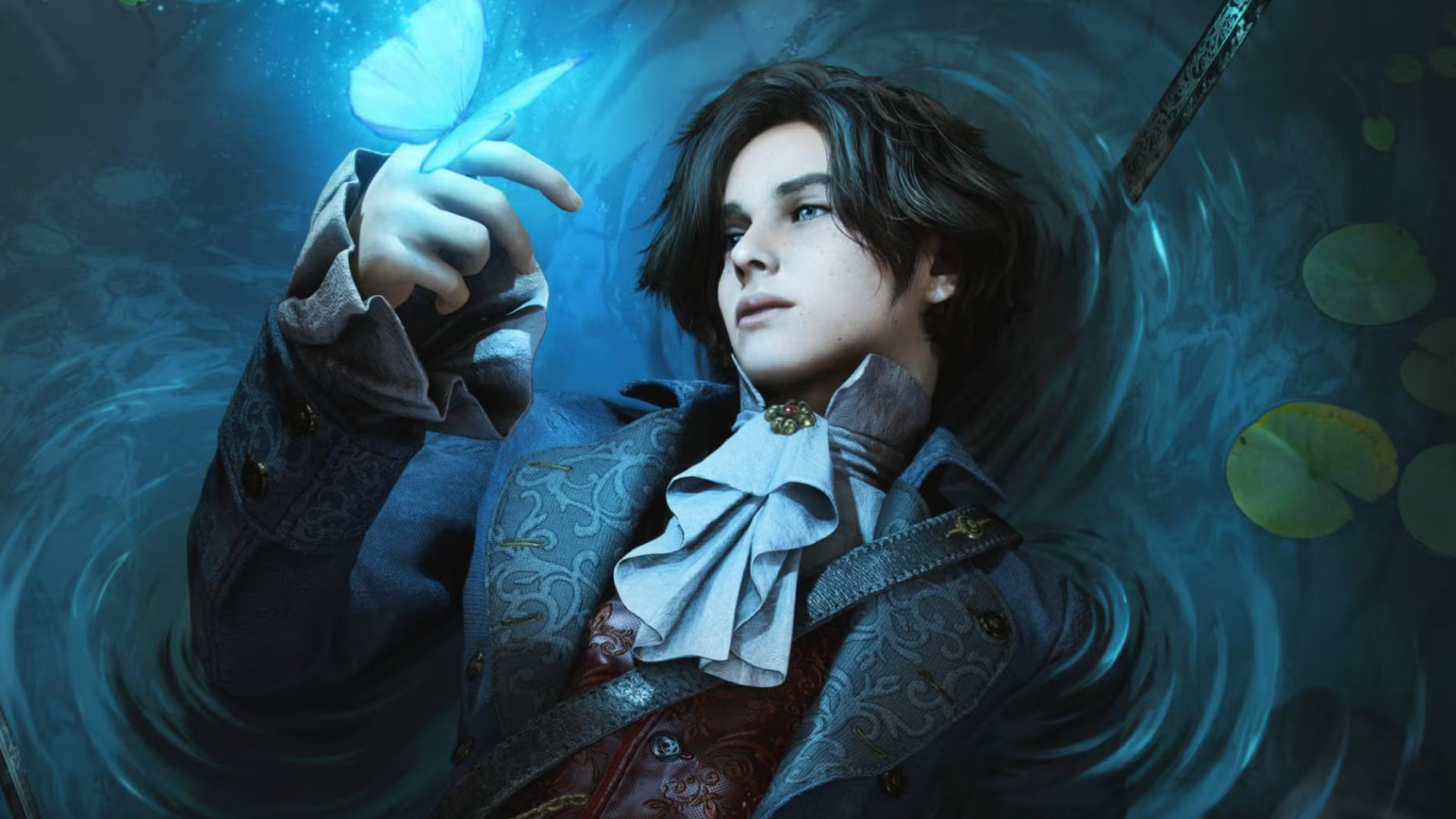
Neowiz, the publisher behind Lies of P, posted a job listing for an "AI creator"/"AI artist" role focused on using generative AI to maximize art production efficiency. The team, labeled "Art2," would use tools such as Stable Diffusion and Midjourney to generate assets, textures, and concept drafts for characters and environments. The disclosure is more notable as a signal of AI adoption in game development than as an immediate financial catalyst.
This is less a pure AI monetization signal than a labor-substitution test case for creative production. The second-order read is that management is trying to compress pre-production cycle time and reduce concept-art iteration costs, which should lift output per headcount but also raises governance risk if the company over-relies on model-generated assets and then has to rework for originality, rights, or quality control.
For peers, the near-term beneficiaries are not game publishers but the tool layer: GPU/cloud providers, model-hosting infrastructure, and workflow software that sits between generation and final asset review. The hidden loser is the outsourced art vendor ecosystem, where budget pressure can show up with a lag of 2-4 quarters as studios move from fixed-scope contracts to smaller review-intensive retainers.
The market is likely to overestimate the speed of margin improvement and underestimate execution drag. In game development, “efficiency” wins only if QA, art direction, and legal review don’t create a larger bottleneck elsewhere; if the output quality disappoints or the company gets caught in IP controversy, the narrative can reverse quickly within weeks. The contrarian view is that this is not an AI thesis in the classic sense, but a workflow modernization story—incremental productivity gains, not a step-change in creative economics.
AI-powered research, real-time alerts, and portfolio analytics for institutional investors.
Request DemoOverall Sentiment
neutral
Sentiment Score
-0.10
