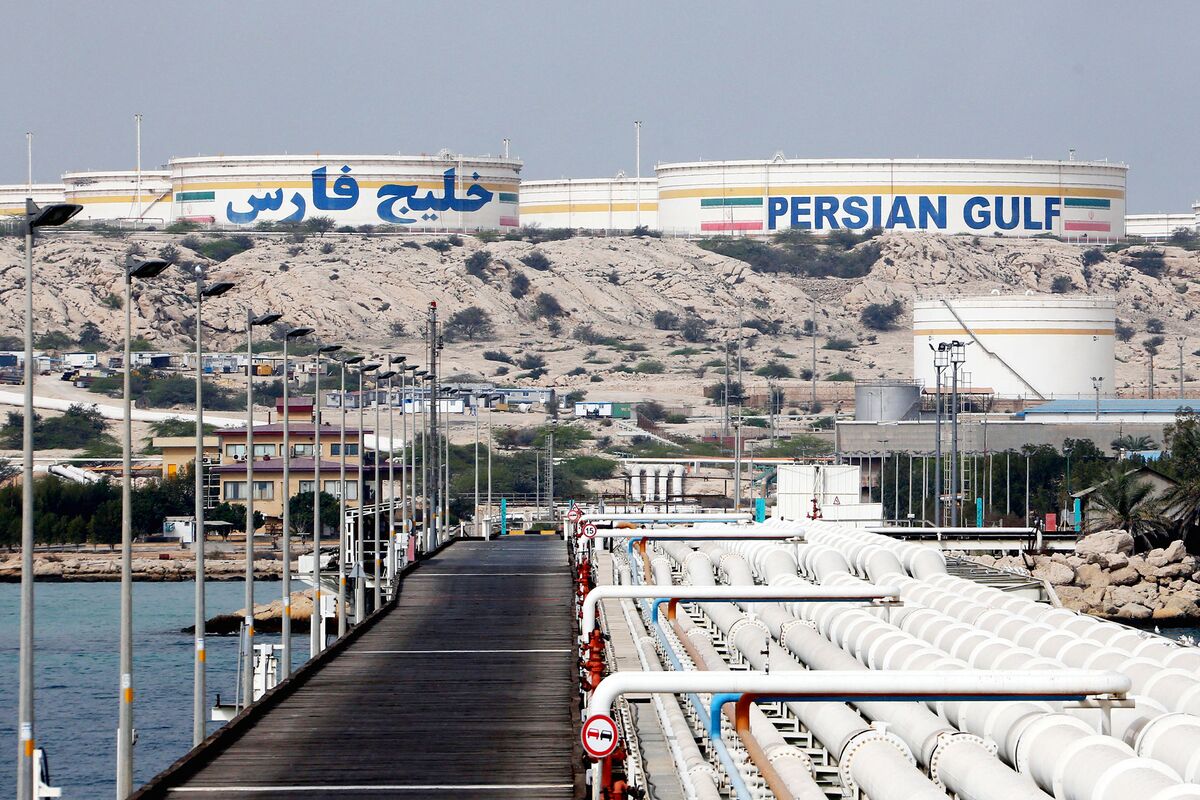
Trump said the US would strike Iran again Thursday and threatened to seize Kharg Island, a key Iranian oil export hub, at some point. The remarks raise the risk of a broader escalation in the Middle East and potential disruption to oil flows and regional energy infrastructure. Market impact is high given the implications for crude prices, shipping routes, and defense-related assets.
This raises the probability of a sharp, air-pocket move in crude and refined products before the market has time to handicap actual physical damage. The first-order winner is any asset with optionality on a supply shock; the second-order winner is logistics and storage if regional flows are disrupted and prompt barrels reprice faster than deferred ones. The bigger market microstructure risk is not just higher oil, but a volatility regime shift that forces systematic de-risking across equities, credit, and EM FX if headlines keep escalating.
The key distinction is between a transient missile-risk premium and a sustained export impairment. If infrastructure is merely threatened, front-end Brent can spike while backwardation steepens; if export capacity or loading becomes materially impaired, the move transmits into diesel, freight, and inflation breakevens with a multi-week lag. That makes energy equities a cleaner expression than broad commodity proxies, because producers monetize higher prices while downstream users face margin compression and inventory losses.
The most underappreciated second-order effect is on shipping insurance, tanker routing, and Gulf regional risk premia. Even without a formal closure of the chokepoint, higher war-risk premiums can tighten effective supply and create localized dislocations in product markets that are larger than the headline oil move. That also increases pressure on policymakers to signal restraint once prices or inflation expectations start feeding into domestic politics.
Contrarian risk: if the market concludes the rhetoric is maximizing leverage rather than signaling a durable campaign, the premium can fade quickly after the first spike. In that case, the best fade is not crude itself but high-beta energy names that overshoot on momentum. The move is also somewhat self-limiting if strategic releases, allied production ramps, or diplomatic backchannels emerge within days to weeks.
AI-powered research, real-time alerts, and portfolio analytics for institutional investors.
Request DemoOverall Sentiment
strongly negative
Sentiment Score
-0.78
