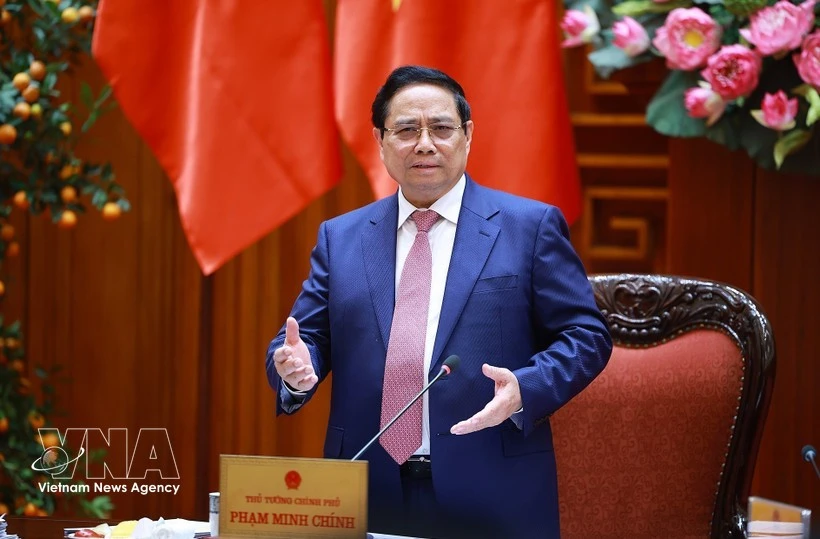
On March 16 the Prime Minister ordered measures to prevent any fuel shortages and to stabilise fuel prices amid the Middle East conflict, requiring proposals on petrol/oil taxes, fees and charges by March 20. Authorities were told to strengthen inspections to stop hoarding and price manipulation, with Deputy PM Ho Duc Phoc assigned to oversee fuel taxes/fees and Deputy PM Bui Thanh Son to lead market-stabilisation actions; the Government also instructed agencies to prepare potential state budget support if the conflict prolongs.
Policy signaling has effectively created a de facto state backstop for domestic fuel risk; that compresses upside volatility for local retail margins but raises the probability of fiscal transfers or temporary tax relief that manifest within weeks. Practically, a modest tax/fee adjustment (order-of-magnitude: single-digit % of retail price) would blunt consumer-price pass‑through and support downstream volumes, while stricter enforcement against inventory arbitrage will shorten the duration traders can monetise regional cracks to days instead of weeks.
Second-order winners are entities with large domestic downstream exposure and fixed-cost retail networks (high capex-to-sales players) because stable end-demand reduces working capital swings and default risk on dealer credit lines. Losers are small independent trading firms and any listed importers who monetise geographic price dislocations; they will see squeezed spreads and potentially forced liquidation of physical stocks if inspections tighten. Additionally, a state-funded stabilisation path increases 12–24 month fiscal strain probability, which could steepen sovereign curves and raise FX hedging costs for corporates reliant on imported fuel.
Key catalysts and timeframes: within 0–30 days, proposed tax/fee changes (deadline events) will drive immediate repricing of domestic retail names; in 1–6 months, prolonged geopolitical risk could force larger budgetary support, influencing sovereign credit premia; and a rapid diplomatic de‑escalation would remove the backstop narrative, exposing stretched long positions to a 10–25% downside in concentrated domestic energy names. Monitor dealer inventory levels, tolling/refinery run-rates, and the content of any tax proposals as high-signal, near-term data points.
AI-powered research, real-time alerts, and portfolio analytics for institutional investors.
Request DemoOverall Sentiment
neutral
Sentiment Score
0.05
