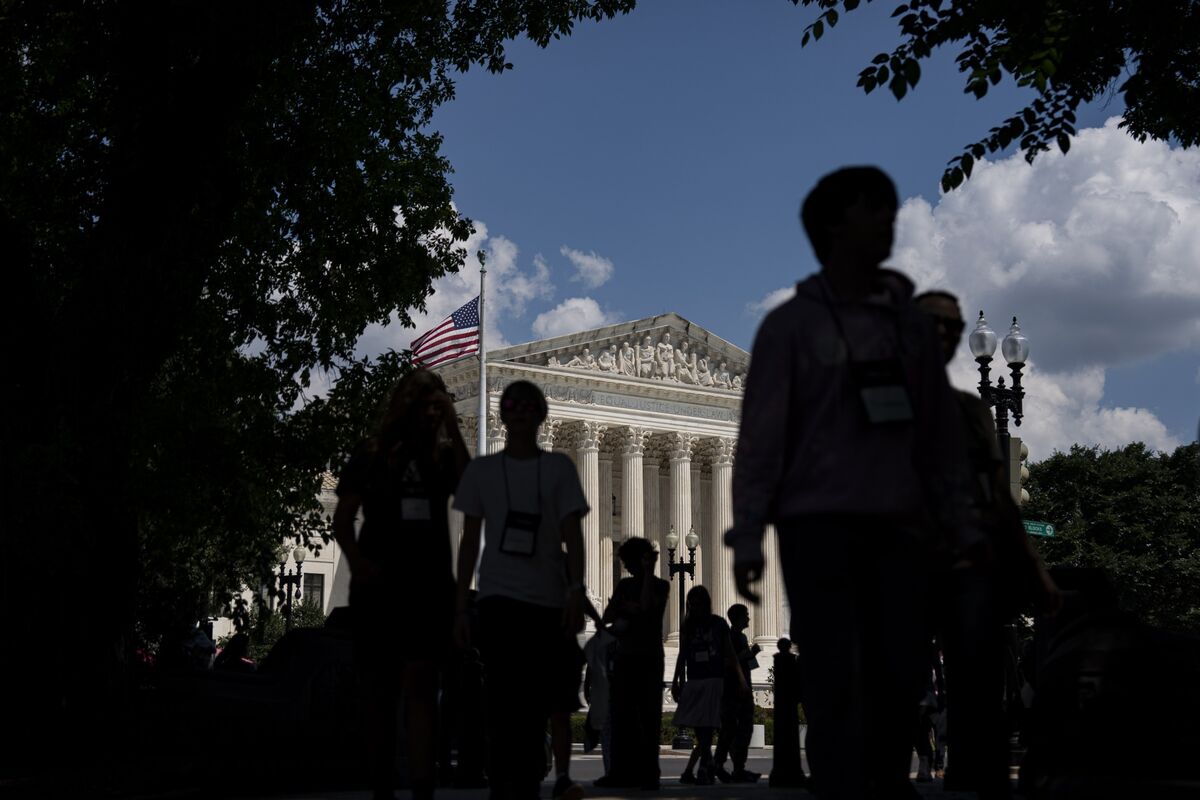
The Supreme Court has allowed the Financial Industry Regulatory Authority (FINRA) to proceed with disciplinary action against Alpine Securities Corp., which is accused of defrauding customers. This decision upholds Wall Street's self-regulatory model, as Alpine's appeal to halt the proceedings pending SEC review was rejected, allowing FINRA to continue its investigation and potential penalties against the brokerage firm.
The U.S. Supreme Court's decision to allow the Financial Industry Regulatory Authority (FINRA) to proceed with disciplinary actions against Alpine Securities Corp., a brokerage accused of defrauding customers, represents a significant affirmation of Wall Street's self-regulatory model. By declining Alpine's appeal to halt FINRA's proceedings until a Securities and Exchange Commission review, the court has effectively reinforced FINRA's authority to conduct investigations and impose penalties. This development, occurring without comment from the justices, underscores judicial support for the existing framework governing financial industry oversight. The associated moderately positive sentiment (score 0.45) likely stems from the perceived strengthening of regulatory enforcement, which is crucial for maintaining market integrity and investor protection. The case highlights ongoing legal and regulatory challenges within the financial sector, particularly concerning the powers and processes of self-regulatory organizations.
AI-powered research, real-time alerts, and portfolio analytics for institutional investors.
Request DemoOverall Sentiment
moderately positive
Sentiment Score
0.45
