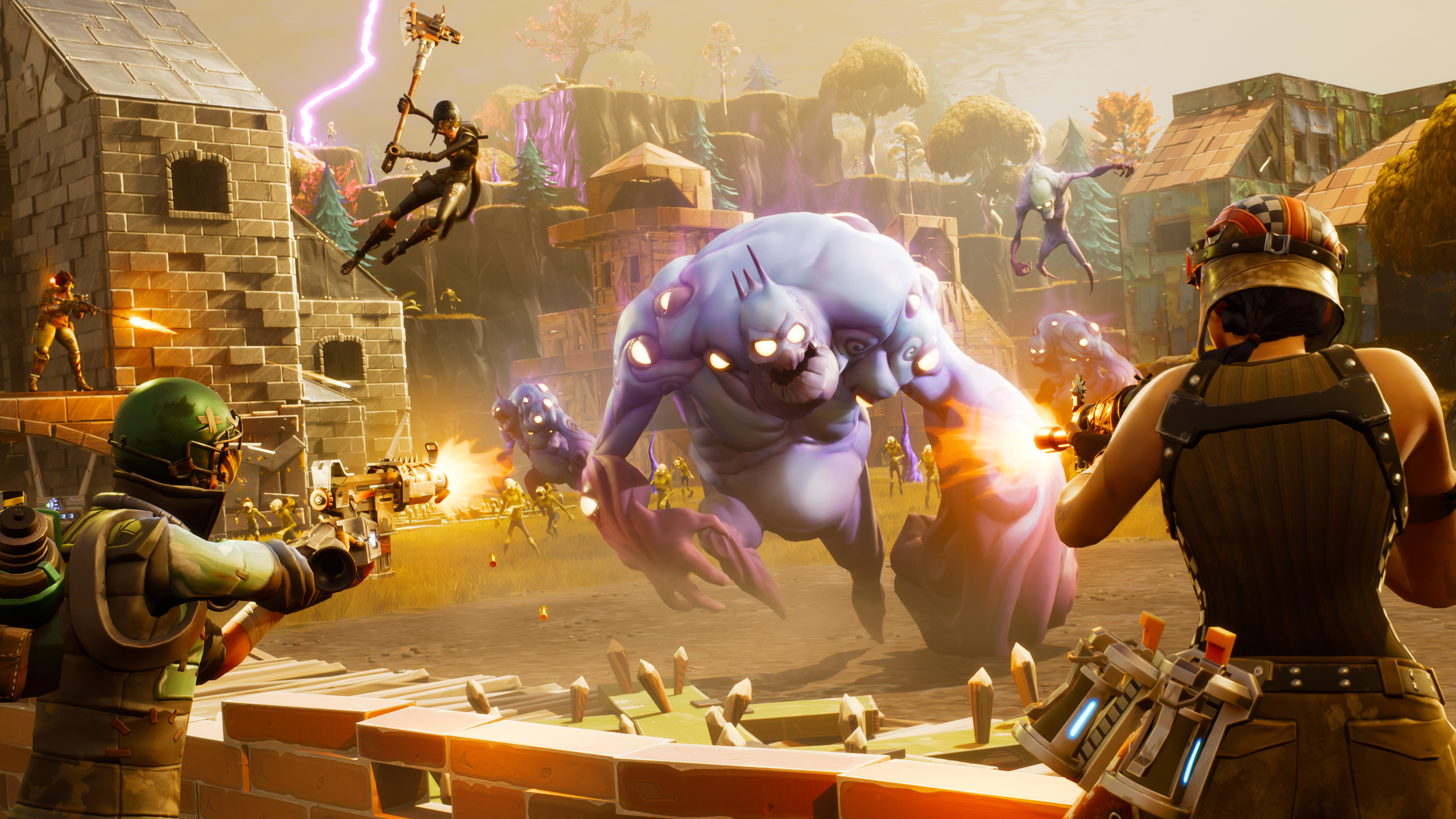
Fortnite Save the World has gone free to play, expanding access to Epic Games' PvE mode and potentially boosting engagement across the Fortnite ecosystem. The article highlights 150+ new guns and heroes, seasonal events, and UI upgrades, which improve the product offering but do not indicate a material near-term financial catalyst. Overall impact appears modest and primarily relevant to user growth and consumer engagement.
The immediate economic value here is not the game itself but the distribution lever: making a legacy title free increases the probability of reactivation, cross-sell, and ecosystem stickiness across Epic’s catalog. The second-order winner is the platform owner, which benefits from higher account engagement, lower churn, and improved monetization through cosmetics, DLC, and future launches; the marginal economics of reacquiring dormant users are far better than buying new ones. That creates a stronger competitive moat versus other PC storefronts that rely more heavily on paid acquisition.
The more interesting read-through is to publishers and live-service competitors: a free co-op PvE loop raises the bar for user acquisition in a crowded attention market, especially when consumer spend is soft and gaming budgets are being scrutinized. If the title meaningfully extends session length, it can pressure smaller co-op and survival games with weaker network effects, while benefiting peripherals, voice/chat, and creator-driven discovery channels. This is less about one SKU and more about reinforcing the “free, social, evergreen” standard that has become the winning template for player retention.
Risk-wise, the catalyst is front-loaded over days to weeks, but monetization benefits accrue over months only if conversion from free users to spenders holds up. The main bear case is that free access inflates engagement temporarily without durable ARPU lift, in which case the announcement becomes marketing noise rather than a franchise re-rating event. A secondary tail risk is cannibalization of other premium modes or franchise fatigue if the content update doesn’t sustain retention beyond the initial spike.
The contrarian point: the market often overestimates the value of ‘free’ as growth when the actual economic engine is conversion discipline. If the title is now functionally a user-acquisition channel, the key question is whether Epic can convert non-paying users into long-duration spenders at a rate that justifies the content expense; if not, this is strategically smart but financially modest. The signal to watch is not day-one downloads, but 30- and 90-day retention plus in-game spend per newly reactivated user.
AI-powered research, real-time alerts, and portfolio analytics for institutional investors.
Request TrialOverall Sentiment
mildly positive
Sentiment Score
0.30
