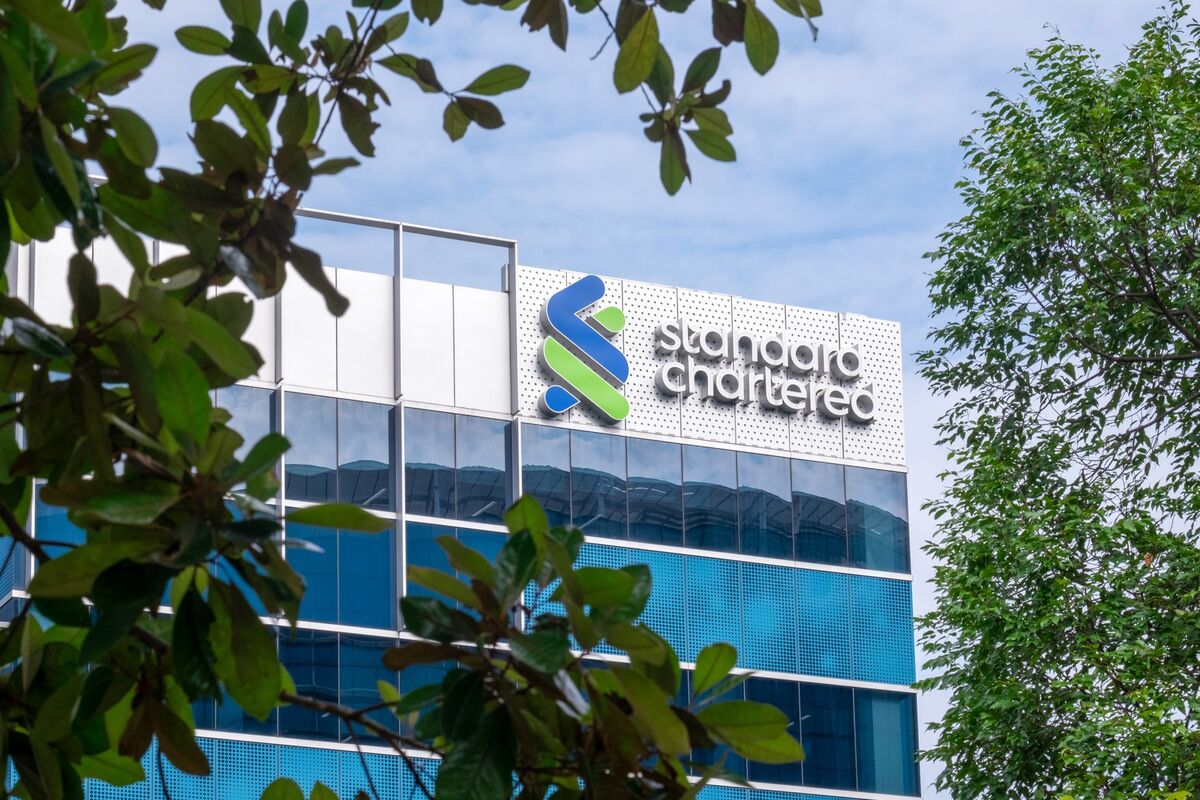
Judge Aidan Xu ruled that Standard Chartered Plc and BSI Bank Ltd cannot intervene in winding-up applications tied to 1Malaysia Development Bhd (1MDB) in Singapore because they do not meet the contingent creditor criteria. The applications were brought by four offshore companies; the decision is a setback for the banks' efforts to participate in the litigation but is unlikely to have broad market implications beyond potential modest legal and reputational effects for the banks involved.
The Singapore ruling narrows one avenue for banks to preserve upside claims against assets tied to the 1MDB estate, which increases legal finality and therefore compresses optionality on contingent recoveries. That crystallization favors (a) creditors with standing and clear title to claims — they face less intermediation risk — and (b) acquirers of those assets who can now model cash flows with fewer competing claimants, accelerating sale timelines by an estimated 6–18 months. Mid-sized private banks and correspondent banks that relied on contingent-claim strategies lose a latent bargaining chip; expect renewed focus by regulators and auditors on historical KYC provisioning, which can translate into modest capital / RWA headwinds over the next 3–12 months.
Tail risks center on cross‑jurisdiction appeals and parallel proceedings (Switzerland, UK, US) that can reopen the contention and drive stop‑loss style shocks to equities and credit — those events typically arrive in 3–18 months and can flip market sentiment quickly. A countervailing catalyst that would reverse the negative re‑rating is a large, structured settlement that consolidates claims and places a capped cash-out on the banks (a cheap, finite‑cost outcome for banks versus open‑ended litigation). Monitor filings in Switzerland and any rapid asset sales in Singapore as binary near‑term catalysts.
From a market‑structure perspective, this is a liquidity‑event story rather than a credit‑structural insolvency: balance sheets are unlikely to be immediately impaired but reputational funding spreads could widen 25–75bp for exposed mid‑tier banks in Asia if the press picks up. That spread move creates tradeable credit and equity asymmetries; idiosyncratic moves should be exploitable with short‑dated protection and hedged equity pairs rather than naked directional positions, given the high likelihood of protracted legal noise that whipsaws prices over quarters.
AI-powered research, real-time alerts, and portfolio analytics for institutional investors.
Request DemoOverall Sentiment
neutral
Sentiment Score
0.00
