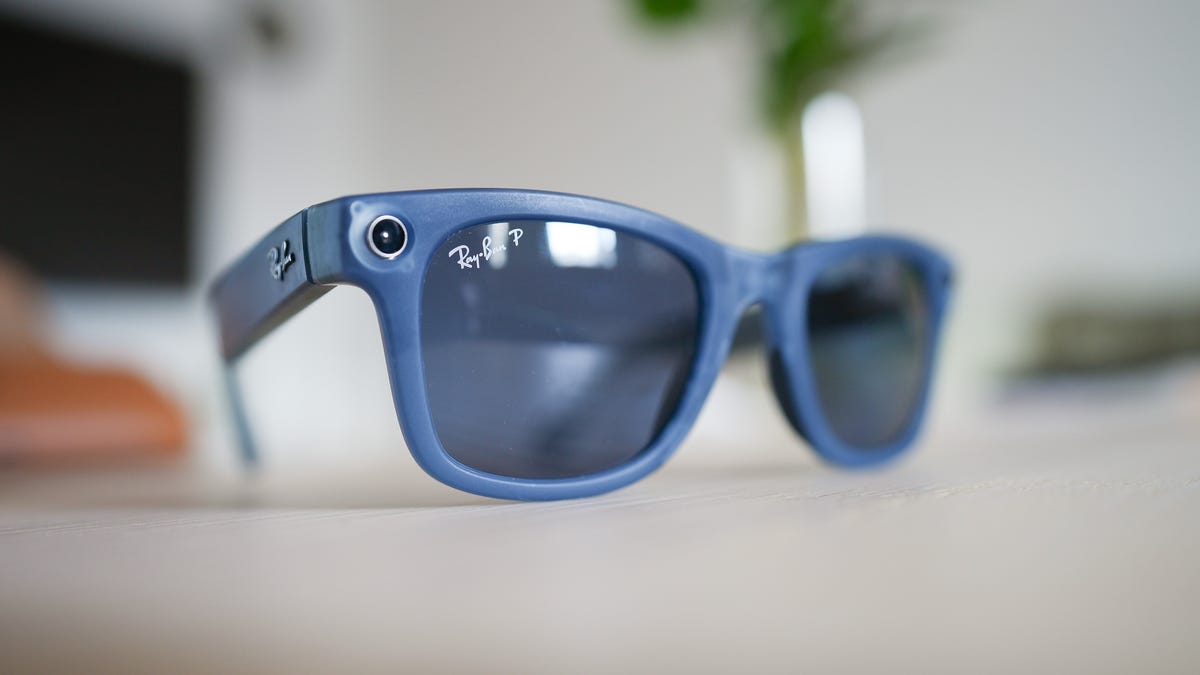
Meta is selling refurbished first-generation Ray-Ban smart glasses for as low as $197, with some listings previously advertised at $179, implying roughly $80 to $120 in savings versus the usual $250 to $300 range. The deal includes a one-year limited warranty, with an extra warranty available for $40, and the inventory is selling out quickly. The article frames refurbished direct-from-Meta purchases as a lower-risk way to buy smart glasses amid ongoing consumer interest in the product category.
The immediate market signal here is less about discounted eyewear and more about Meta proving it can use refurbishment as a high-margin demand extender for a category that is still early in its adoption curve. That matters because smart glasses are a platform wedge: if Meta can keep the installed base expanding cheaply, it increases the odds that software, AI assistant usage, and camera-driven engagement become habit-forming before competitors establish a standard. The second-order beneficiary is Qualcomm, but only modestly in the near term; the real upside is that any sustained traction validates AR1-class silicon as the default bill of materials for consumer AI wearables, which could expand the addressable market over 12-24 months. The bigger read-through is that Meta is optimizing for ecosystem penetration rather than maximizing per-unit hardware economics. Refurbished inventory at lower price points can pull forward first-time buyers, reduce friction for privacy-curious consumers, and generate more usage data for product iteration. That creates a flywheel: more devices in circulation, more behavioral data, stronger model training, and better monetization optionality. The risk is that the category remains niche because battery life, social acceptability, and recording/privacy concerns keep usage episodic rather than daily; if that happens, the refurbishment channel becomes a clearance tool, not an adoption accelerant. From a trading perspective, this is a sentiment-positive but not thesis-changing catalyst for META unless follow-on signals show faster attach rates or broader sell-through into new users. The contrarian point is that the market may be underestimating how much of the near-term narrative is actually about liquidation management and channel smoothing, not premium demand strength. If refurbished units sell quickly, that supports unit velocity; if they sell out because supply is tiny, investors should not extrapolate too aggressively. The key monitoring window is the next 4-8 weeks for repeat refurb offers and any commentary on smart-glasses engagement.
AI-powered research, real-time alerts, and portfolio analytics for institutional investors.
Request DemoOverall Sentiment
mildly positive
Sentiment Score
0.25
Ticker Sentiment
